
Label Sticker Printing: Techniques, Materials, and Applications
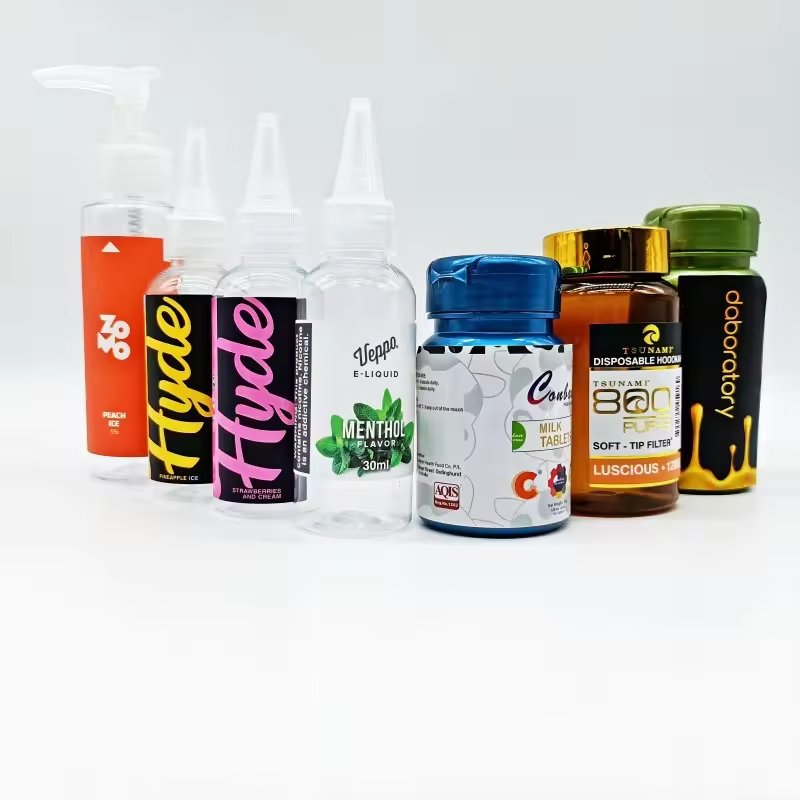
In this article, we’ll explore Label Sticker Printing from the ground up. You’ll learn how modern printing processes turn digital designs into real-world decals – from vinyl sticker printing to holograms and RFID tags. We’ll explain key materials (like waterproof and transparent vinyl) and methods (thermal transfer, UV curing, full-color CMYK) that ensure your stickers pop and endure. Along the way, we’ll link to industry standards (e.g. ISO color management, GS1 barcode specs, GHS safety labels) and associations like TLMI to show you best practices. Whether you’re designing custom sticker sheets, specialty security labels, or high-volume roll labels, this guide gives practical tips and technical insights. By the end, you’ll understand how to optimize custom sticker printing for durability, visual impact, and compliance – turning your labels into effective branding and safety tools.
Key Takeaways:
- Types of Labels: Includes vinyl stickers (weatherproof, UV-resistant), transparent and holographic labels, as well as RFID and barcode labels for tracking.
- Materials & Durability: Vinyl (PVC) is common for outdoor use – it’s waterproof and UV-stable. Lamination and resin inks add chemical resistance.
- Printing Technologies: Techniques include thermal transfer labels, digital (CMYK) printing for full-color, UV-curable ink printing for vivid colors, and specialized embossing for holograms.
- Standards & Guidelines: Follow GS1 barcode printing rules (high contrast, correct quiet zones)and chemical label standards like GHS (black symbols on white/red diamonds). Use ISO 12647 for color consistency.
- Applications: Labels are used in packaging, logistics, safety, branding, and industrial settings. Industry groups (TLMI) and reports note rising demand for durable, high-resolution labels in healthcare, logistics, etc.
Understanding Label Sticker Printing
Label Sticker Printing covers any process that turns a digital design into a sticky label or decal. It can involve adhesive-backed paper or film materials, custom shapes, and various inks or foils. This process goes beyond ordinary paper printing – it uses specialized printers and presses to deposit ink or toner onto flexible vinyl stickers and other substrates. By definition, a sticker is essentially a custom label with an adhesive backing. Custom Label Printing often involves cutting or laminating the printed material into sheets, rolls, or unique shapes (die-cut, kiss-cut, etc.) to make the stickers easy to peel and apply. Modern label printing can include transparent vinyl sticker printing for window decals and hologram sticker print features for security.
From a marketing perspective, printed stickers are tiny billboards for your brand. As one guide notes, vinyl stickers become “professionally painted signs” that can withstand sunlight and rain. On the technical side, converting artwork into a print-ready file requires attention to bleed and resolution (see print vendor guidelines). The design must also obey any regulations – for example, safety labels might need certain icons (GHS hazard symbols must be black on a white diamond with red border. Throughout this article, Printing Custom Stickers means ensuring your labels not only look great but also last in their intended environment and meet any standards.
Vinyl Stickers and Waterproof Materials
Many Label Sticker Printing projects use vinyl because it’s tough and versatile. Vinyl sticker printing uses synthetic polymer films (often PVC) that handle outdoors better than paper. Vinyl is naturally waterproof and UV-resistant, so print won’t fade or peel easily. Quality vinyl stickers are usually coated with a laminate, adding scratch-resistance and extra UV protection. This is why vinyl is the “gold standard” for outdoor decals – your message stays vibrant despite rain or sun.
Key terms here include Waterproof Vinyl Sticker and Transparent Vinyl Sticker Printing. Waterproof labels typically mean the top coat resists water and chemicals. Transparent (clear) vinyl stickers allow background surfaces to show through – think of a glass window decal with colored text on clear film. Whether opaque white vinyl or clear film, these materials offer durability. Modern printers bond ink deeply into the vinyl surface giving crisp lines and brilliant colors that won’t run.
For custom production, you might order custom sticker sheets (printed on large sheets then cut), or Roll Label Print from a high-volume press. In both cases, factories provide choices of vinyl thickness and adhesives (permanent or removable). For example, thicker vinyl (2–5 mil) and stronger adhesive are chosen for long-term outdoor use, whereas lighter vinyl and removable adhesive serve short-term promos.
To make vibrant labels, full-color (CMYK) printing is common: By separating an image into cyan, magenta, yellow, black layers, CMYK processes reproduce thousands of colors. Many label shops also add Pantone (spot) inks to match a corporate color exactly. Combining CMYK printing with film materials yields waterproof color labels. In summary, vinyl sticker printing allows durable, high-impact graphics – ideal for vehicle decals, outdoor signage, and any label needing longevity.
Printing Technologies: Thermal, UV, and Specialty Labels
A range of printing methods serve different needs. Thermal Transfer Labels are popular in industry for barcodes and logistics. In thermal transfer printing, heat melts ink from a ribbon onto the label. This creates dense, high-resolution images (even in black-and-white) on substrates like paper, polyester, or polypropylene. Thermal transfer labels are extremely durable and resistant to chemicals – perfect for inventory tags or outdoor asset labels. In fact, one source notes thermal transfer is “the industry’s best solution for barcode printing” due to its crisp, resilient output. Thermal printers are widely used for Barcode Label Printing; just be sure to follow GS1 guidelines for barcodes (e.g. black bars on white, adequate quiet zones).
Another method is Direct Thermal (no ribbon) but those labels fade faster and suit short-term uses (shipping labels, receipts). For high-volume labeling, Digital presses or Offset and Flexo presses might be used. Digital (inkjet or laser) printing easily handles full-color graphics. For example, UV-cured printers shoot UV ink onto the label, immediately hardening it. UV Print Stickers have brilliant colors and a tactile glossy finish. UV printing works well on vinyl, plastic, and even rigid materials. It’s often used for premium logos or packaging labels. If you need “ultra-vivid” or textured effects, consider specialty coatings like UV spot gloss or foil stamping.
For product security or premium branding, hologram sticker print is an option. Holographic labels use embossed metallic films to produce 3D rainbow effects. They’re hard to copy and common on event tickets, warranty seals, and official documents. True security holograms follow strict specs (multi-layer films, laser-engraved images), whereas cheaper decorative holographic stickers simply print on a metallic vinyl. In either case, holograms rely on laminated, metalized plastic layers to catch light.
Another advanced label type is the RFID Label Printing. An RFID printer not only prints visible information but also encodes a tiny radio-frequency chip embedded in the label. This dual-purpose label can be read wirelessly for inventory or anti-counterfeit. For example, as one manufacturer explains, the printer prints your barcode/text and simultaneously writes a unique EPC code into the RFID chip. The result is a label that humans see and RFID scanners read – hugely useful in warehouses for bulk scanning or in retail for loss prevention.
Color Label Printing simply refers to any full-color printing process. As noted, CMYK process colors on digital or flexo presses handle most jobs, and additional spot inks (Pantone) can add special colors or metallic effects. Some printers even use extended gamut (six-color) for brighter results. The key is to use high-quality materials and color management so the output matches expectations – ISO 12647 standards help with that. Whatever technology you use, combining it with the right material (paper vs polyester vs vinyl) defines the final performance.
| Label Type | Material/Substrate | Durability/Performance | Applications |
|---|---|---|---|
| Vinyl Sticker | PVC vinyl | Waterproof, UV-resistant (5+ years outdoor) | Car decals, storefront signs |
| Transparent Vinyl Sticker | Clear vinyl (PVC) | Waterproof, similar UV-resistance, discreet background | Window logos, device branding |
| Waterproof Vinyl Sticker | Laminated vinyl or PE/PET | Waterproof, tear-resistant, UV-stable | Marine labels, outdoor equipment |
| Hologram Sticker | Metalized film (polyester) | Tamper-evident, scratch-resistant | Security seals, official authentication |
| Thermal Transfer Label | Paper or Poly films + ribbon | Long-lasting print; chemical/temperature-resistant | Shipping labels, retail barcodes |
| Barcode Label | Thermal or Inkjet paper/film | High-contrast printing (GS1 compliant) | Product ID, inventory management |
| RFID Label | Paper/Polymer + embedded chip | Encoded chip for wireless ID; durable print | Warehouse tracking, anti-counterfeit |
| Roll Labels | Varies (paper, PP, etc.) | Continuous rolls for high-speed printing | Food packaging, bulk labeling |
| Full-Color Labels | Any printable media | CMYK printing on film or paper (waterproof options) | Branding, product packaging |
Each label type above shows typical materials and properties. For instance, standard Vinyl stickers (PVC) last for years outdoors, while Thermal Transfer Labels use resin ribbons to resist smudging and chemicals. Barcodes must follow GS1 rules: use black bars on a white or light background and print at high resolution so scanners never miss a code. If you integrate RFID, plan for the extra encoding step – many industrial printers handle this in one pass.
Industry Applications and Best Practices
Label sticker printing serves countless industries. In retail and e-commerce, barcode label printing is essential for checkout and shipping. Automated warehouses benefit from RFID tracking. Consumer goods rely on full-color brand labels and UV-printed stickers for eye-catching shelves. In healthcare and chemicals, labels must meet regulatory standards. For example, food and drug labels often use waterproof vinyl or film stock to withstand moisture and oils, and they follow specific government guidelines. Chemical products need GHS-compliant labels – printed with clear pictograms and hazard text. OSHA’s Hazard Communication standard dictates that GHS pictograms are printed as black symbols on a white diamond with a bold red border, a detail to keep in mind when designing your labels.
Professional printers follow industry best practices. The Tag and Label Manufacturers Institute (TLMI) is the “premier label industry association” that shares resources on topics like sustainability and print standards. Similarly, standards organizations (e.g. ANSI/ISO) set guidelines for color and materials. Adhering to ISO 12647 color-control standards, for instance, helps ensure your CMYK prints remain accurate across jobs. The market is growing: reports note rising demand for durable, high-resolution thermal labels driven by logistics and healthcare needs. In short, a label printing project must balance design creativity with technical requirements – selecting the right substrate, adhesive, ink, and printer technology for the intended environment. Follow printing specs (bleed, line thickness) like those given in industry print guides to avoid errors.
In summary, Label Sticker Printing is a broad field combining creative design with engineering. You can create everything from simple white barcode labels to vibrant holographic decals, as long as you match the materials and methods to the application. Consult the links below for authoritative guidance:
- GS1 US – Barcode Placement & Printing Guidelines: Covers how to generate and print scannable barcodes (colors, sizes, quiet zones).
- ISO 12647 Standard: Ensures color consistency and quality in printing processes, crucial for full-color label printing.
- OSHA GHS Labeling (via Avery PDF): Defines required elements (pictograms, signal words) for chemical safety labels.
- Tag and Label Manufacturers Institute (TLMI): Industry association providing market data, best practices, and sustainability info.
- Thermal Transfer Label Market Report: Shows growth trends and highlights that thermal transfer labels “withstand heat, moisture, chemicals” in packaging.
FAQ
Q1: What materials are commonly used in label sticker printing?
A: The most common materials are paper, vinyl (PVC), and synthetic films (polyester, polypropylene). Vinyl stickers are ideal for durability (waterproof, UV-resistant). Paper labels are cheaper and fine for indoor use. Specialty materials include clear (transparent) vinyl, metallic films (for holograms), and laminated overlays. Choosing the right substrate depends on your needs: e.g. use thick vinyl with strong adhesive for outdoor or industrial labels.
Q2: How do I ensure my vinyl stickers are waterproof and fade-proof?
A: Select a vinyl material and finish built for outdoors. Quality waterproof vinyl sticker products use UV-stable inks and a protective laminate. Also, ensure the printer uses fade-resistant inks (often solvent or UV-cured). For added protection, opt for lamination or a topcoat. As one guide notes, vinyl’s non-porous surface plus UV laminates keeps colors from fading even in sunlight.
Q3: What is RFID label printing and why use it?
A: RFID label printing uses special printers that both print a barcode/text and write data to an embedded RFID chip in the label. This creates labels that can be scanned wirelessly without line-of-sight. Use RFID labels for inventory control, tracking shipments, or anti-counterfeiting. For example, a warehouse can read hundreds of RFID tags instantly as a pallet moves by, speeding up stock checks.
Q4: How can I make sure my barcodes scan correctly on labels?
A: Follow GS1 barcode printing guidelines: use high-resolution printing and proper color contrast. GS1 recommends black bars on a white (or very light) background. Avoid using red or other colors for the bars (red ink can’t be read by scanners). Leave enough white “quiet zone” margin around the barcode. Print the barcode at the correct size (too small can’t scan, too big wastes space). Finally, test the printed barcode under real scanning conditions before full production.
Q5: Can I get custom sticker sheets or roll labels printed in full color?
A: Yes. Many print shops offer custom sticker sheets (sheeted labels) and roll label printing in any shape or quantity. You can print full-color designs using digital presses (CMYK) or flexographic presses. When ordering, provide the exact dimensions and confirm file specs (usually CMYK color mode, 300 DPI). For high durability, ask for premium vinyl or polyester stock. And remember, adding spot gloss or foil is possible if you want special effects. Always review a physical proof if possible to ensure colors and quality meet your expectations.