
Send Your Inquiry Today
Phone Screen & Electronics Anti-Counterfeit Labels: A 2026 Buyer’s Guide
On this page
- Why electronics are a top counterfeit target
- Three forgery tactics you actually see on devices
- Four label solutions compared
- Spec points that decide if a label actually works
- Pick by threat level
- How screen-lit (phone-lit) authentication works
- Compliance boundaries
- Production process & lead times
- Illustrative project (anonymized)
- FAQ
If you sell phones, spare parts, accessories or other high-value electronics, your product is a target long before it reaches the customer. The most common fraud is not a perfect clone of the device — it is a real product with a fake paper trail: a refurbished screen passed off as original, a warranty seal peeled and re-stuck, a grey-market unit diverted through the wrong channel. A phone screen anti-counterfeit label is the cheapest layer that breaks that chain. This guide compares the four label solutions buyers actually specify, the spec points that separate a working label from a decorative one, and how to brief a factory without over-claiming what the label can do.
Scope note: this is general sourcing and design guidance, not legal advice. For binding obligations (FDA, REACH, track-and-trace mandates) confirm against the official texts and qualified counsel — implementation dates move with secondary legislation.
Why electronics are a top counterfeit target
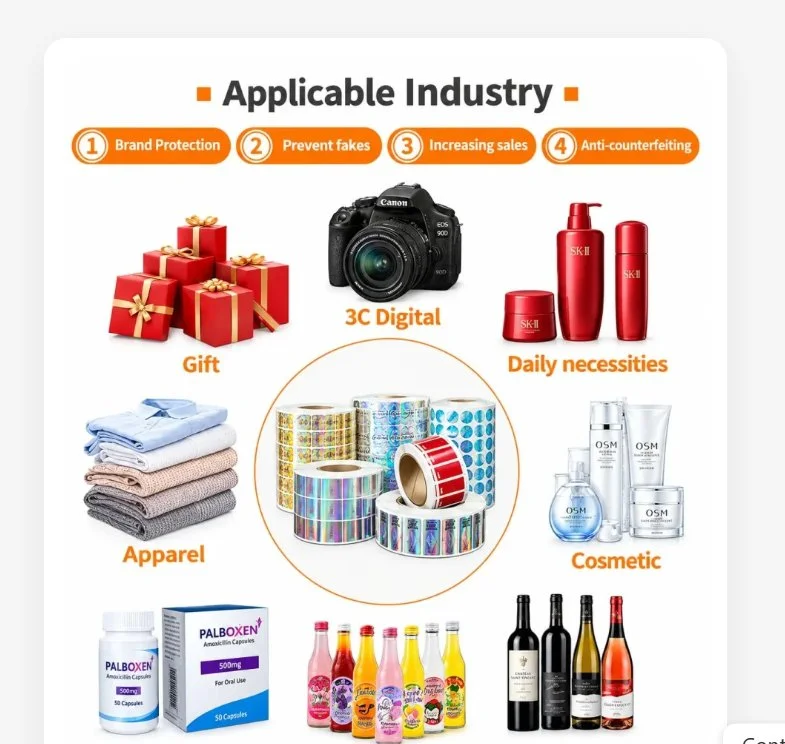
Electronics sit in the worst part of the risk curve: high unit value, easy to resell, and hard for the end buyer to verify by eye. Three pressures make a label worth the spend:
- Warranty fraud. A service centre cannot always tell a genuine seal from a re-stuck one. One resealable label turns a repaired unit back into a “new, in-warranty” sale.
- Refurbished-screen swaps. An original display pulled from a trade-in and dropped into a “new” phone is nearly invisible — unless the screen itself carries an authentication mark tied to the unit’s record.
- Grey-market diversion. Units meant for a low-price region show up in a high-price one. A serialized code that resolves to a verification page exposes the mismatch at the point of sale.
None of these require the label to be unbreakable. They require it to be cheap to check and expensive to fake — which is exactly what a layered label design delivers.
Three forgery tactics you actually see on devices
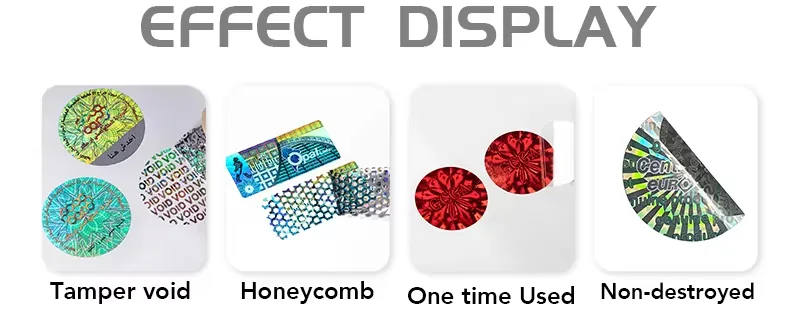
- Peel-and-reuse seals. A plain adhesive seal is lifted with heat and reapplied. The defence is a VOID tamper-evident construction that leaves a permanent “VOID” mark on the surface when removed.
- Cloned holograms. A copied holographic sticker looks right under a shelf light but carries no unique code. The defence is pairing the overt hologram with a serialized, database-linked code.
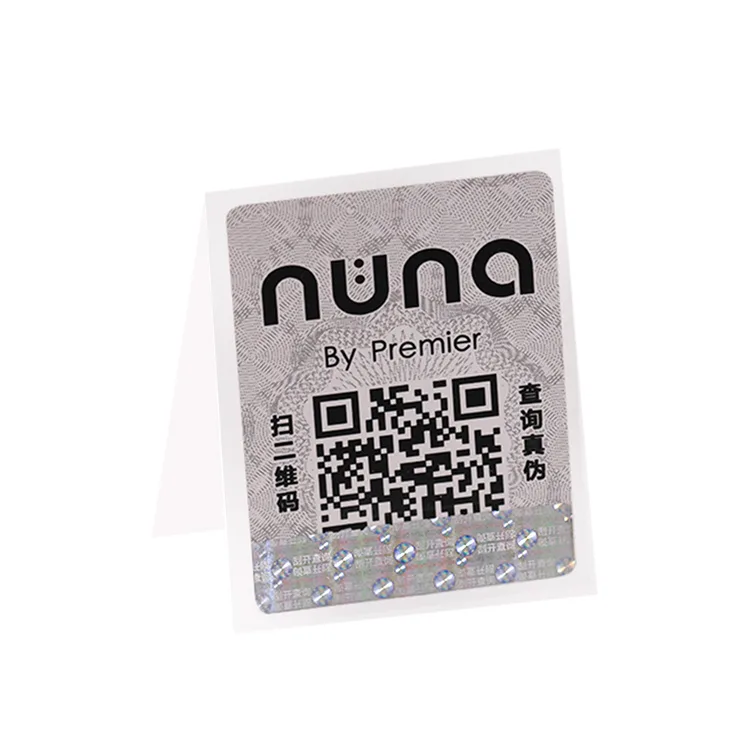
- Forged verification pages. A QR that points to a convincing fake domain. The defence is structuring the code with GS1 Digital Link so any phone resolves the scan to your data, not a fixed string a forger can reprint.
Four label solutions compared
Most electronics programs lead with one overt feature and back it with a scannable or forensic layer. The four buyers specify most often:
| Solution | Stops | Smartphone verification | Typical lead time | Best for |
|---|---|---|---|---|
| VOID tamper-evident label | Reseal, refill, screen-swap fraud | Visual (VOID mark) | Short | Service covers, battery bays, screen edges |
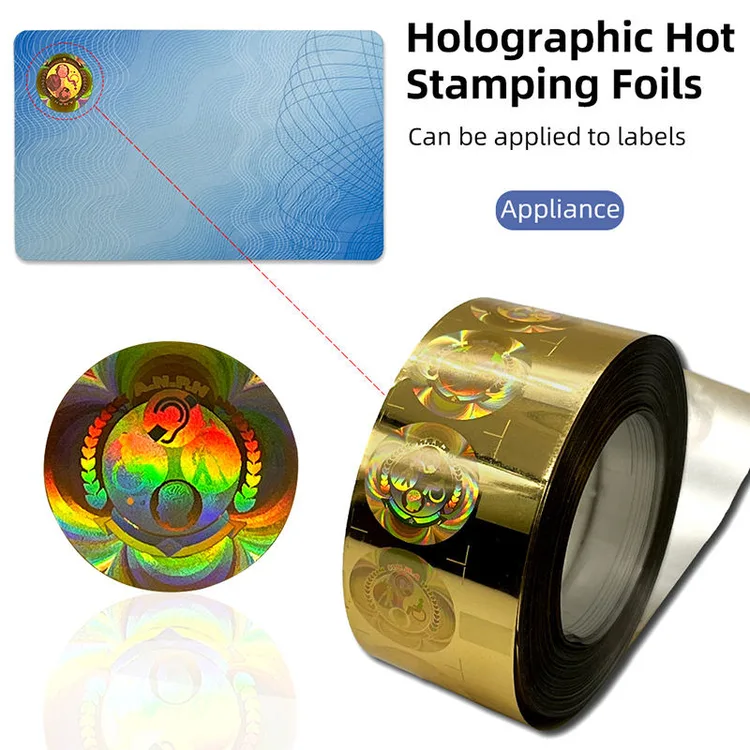
| Holographic / hot-stamp label | Instant visual recognition, clone deterrence | Visual only | Short–medium | Brand marks buyers recognise at a glance |
| QR / serialized 2D code | Grey-market diversion, unit traceability | Yes (app-free) | Short | Batch & unit-level track-and-trace |
| Screen-lit (phone-lit) authentication | High-value clone, covert check | Yes (shine phone screen) | Medium | Premium units, covert brand protection |
The right combination is a judgement call, not a one-size sticker. For a worked comparison of the first three, see our Hologram vs Void vs Serial 2D Code buyer’s guide, and for the broader 2026 picture our smart authentication overview.
Spec points that decide if a label actually works
A buyer’s brief often says “tamper-evident” without defining the removal scenario. That gap is where labels fail. The points that actually matter:
- Peel force on the real surface. Adhesive tested flat at 14 N/25mm can drop 10–25% on a curved screen or vial because contact area shrinks. Always brief the application surface radius — a label that voids cleanly on a flat carton may not activate on a flexible pouch.
- Diffraction efficiency (holographic/optical layers). For an overt effect visible under retail fluorescent light (500–1,000 lux), target a minimum diffraction efficiency around 18%. In low-ambient environments like a repair counter (100–300 lux), the credible range runs higher; specify the lighting the check happens in.
- Three authentication tiers. Overt (visible hologram/colour-shift), semi-covert (UV-fluorescent ink at 365 nm, microtext at 0.2–0.4 mm) and forensic/covert (taggant chemistry read only by authorised handheld readers). Layer them against your threat model, not against a checklist.
- Serialized code tolerance. Codes printed at 600 dpi with roughly ±0.1 mm positional tolerance link each unit to a cloud record. Mismatched print tolerance is why some QR labels “scan on the bench, fail on the line.”
These are typical specification ranges buyers use to brief a factory; confirm them against your substrate and channel rather than quoting them as fixed standards.
Pick by threat level
- Retail grey market / low organised risk. Lead with a visible hologram or hot-stamp mark plus a QR that resolves to a verification page. App-free, instant, cheap.
- Warranty / reseal fraud. Close the pack with a VOID layer on the cover, seal and carton. The VOID mark is your first line of defence against refill and reseal.
- Organised counterfeiting / customs interdiction. Add a covert taggant layer and serialized codes integrated with your existing track-and-trace platform. This is where a three-tier stack earns its cost.
Map the leak first — marketplace fakes, refills, or diversion — because the answer decides the layer, not the other way round.
How screen-lit (phone-lit) authentication works
A newer option for premium units uses a liquid-crystal or photo-aligned optical film: shine any smartphone screen at the label and a hidden mark appears, often switching from light to dark as you rotate the phone. It needs no reader, no app and no special ink — the phone you already carry is the detector. Suppliers market it as a covert brand-protection layer that is hard to reproduce because the optical film and its production equipment are controlled. It is best used with a serialized code, not instead of one, so the physical check and the database record agree.
Compliance boundaries
- Pharma / medical devices. If serialization data feeds an electronic batch record, the relevant regime is FDA 21 CFR Part 11 (and equivalents); all three tiers are typically required for regulated product. Confirm with counsel — this guide does not interpret it.
- EU consumer-goods packaging. Label materials must meet REACH (Regulation (EC) No 1907/2006). Ask the factory for base-material declarations; do not assume a “compliant” sticker label covers your full pack.
- Do not over-claim. A label is a security feature, not a certification. Phrases like “fully compliant” or “certified anti-counterfeit” should name the specific framework — and for a COA hologram specifically, note that no US, EU or UK law forces a hologram on a certificate of authenticity (see our COA hologram guide).
Production process & lead times
A typical three-pass security label — base print of the unique code, then registered hologram or hot-foil stamping on top — runs on this cadence:
- Optical design review and tooling specification: ~5–7 working days
- Embossing shim / origination: ~15–20 working days
- Physical samples with feature verification: ~25–30 working days from design lock
- Production after sample approval: ~20–28 working days for standard runs
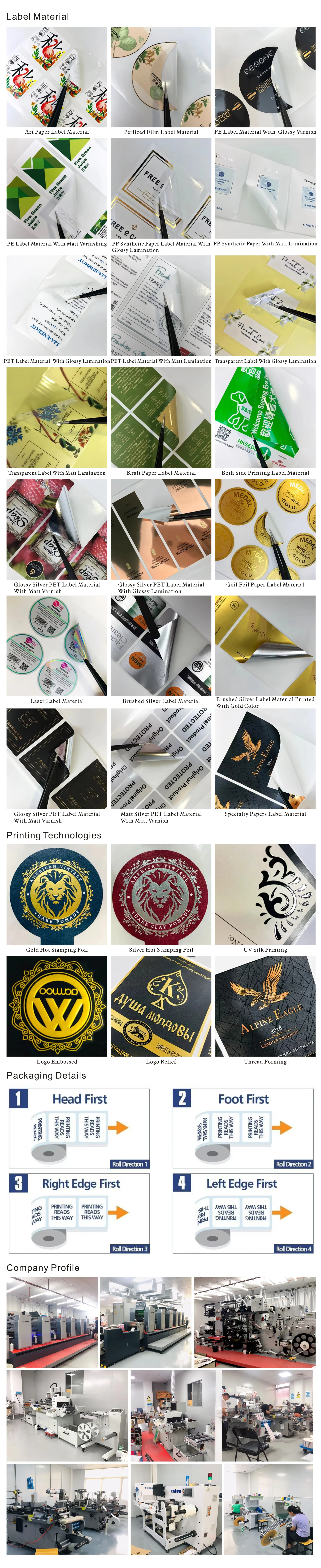
Variable-data (serialized) runs print on a digital line so every unit carries a distinct identifier; low minimum order quantities keep the option open for growing brands. For the factory walk-through, see how custom security labels are made.
Illustrative project (anonymized)
This is a composite, illustrative scenario — not a specific customer order. A mid-size accessories brand shipping into both EU and APAC briefed a layered program for a flagship earbud case: a VOID layer on the outer seal (stop reseal fraud), a colour-shift holographic mark for shelf recognition, and a GS1 Digital Link QR tying each unit to a verification page. They briefed the carton surface radius up front, so adhesive was specified for the curved lid rather than a flat-panel test. First production ran after sample approval with codes verified on three phone models before launch. The point is not the spec — it is that they defined the removal scenario and the channel before tooling was cut.
FAQ
Will a holographic sticker alone stop counterfeits?
No. It is an overt feature — hard to copy, instantly recognisable, but visible rather than queryable. Pair it with a QR or serialized code for true verification.
Can a phone verify the label without an app?
Yes. A GS1 Digital Link QR resolves to your verification page in any browser; screen-lit optical films need only the phone’s screen as a light source.
Does a VOID label work on a curved screen?
Often yes, but peel force drops on curved surfaces versus flat. Brief the surface radius so adhesive is specified for the real geometry.
Is a hologram sticker “certified” anti-counterfeit?
A label is a security feature, not a certification. Ask any supplier claiming “fully compliant” which framework they mean.
What lead time should I plan for?
Sample with feature verification in roughly 25–30 working days from design lock; production about 20–28 working days after approval. Serialized runs add no separate line.
Is this legal or regulatory advice?
No. Confirm FDA, REACH and track-and-trace obligations against official texts and qualified counsel.
Ready to match a label to your threat profile? Send us the application surface and risk scenario and we will return a layered spec, sample options and a quote — without committing you to a million-unit run.
Related: complete guide to anti-counterfeit label printing.