
Send Your Inquiry Today
Custom Paper Box Packaging: Key Decisions That Affect Cost, Quality, and Supply Chain Performance
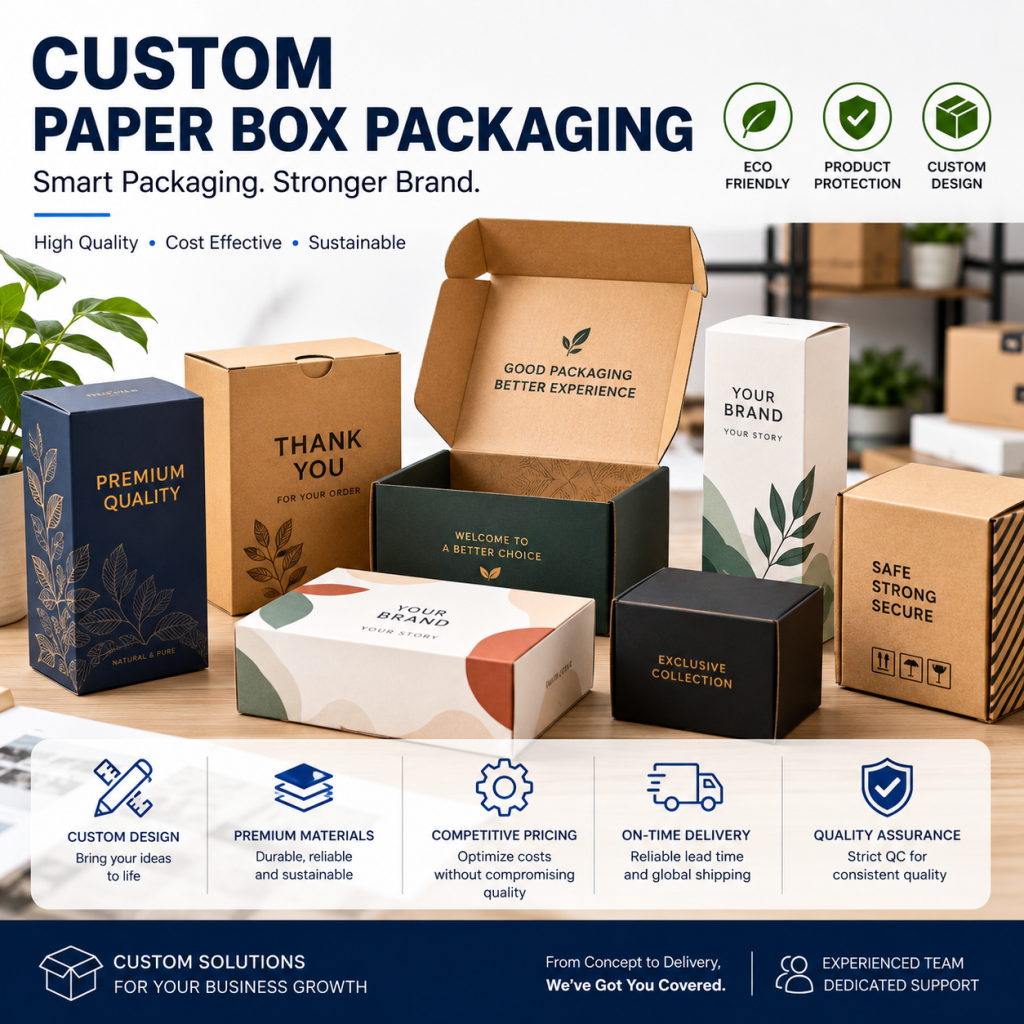
For many brands, packaging is often treated as the final step before a product reaches the market. In reality, packaging decisions can influence product protection, transportation costs, customer experience, production efficiency, and even brand reputation. When sourcing Custom Paper Box Packaging, procurement teams are usually faced with multiple challenges: inconsistent quotations, varying material recommendations, unclear lead times, and significant differences in manufacturing capabilities among suppliers.
A common misconception is that packaging suppliers are offering the same product at different prices. In practice, two packaging manufacturers may quote completely different prices because they are proposing different materials, structures, production methods, quality standards, and supply chain approaches. Understanding these factors helps buyers avoid unexpected costs and reduce operational risks.
This article examines Custom Paper Box Packaging from the perspective of procurement managers, packaging engineers, and manufacturing professionals. Rather than focusing on marketing claims, it explains how packaging projects are evaluated inside factories, what factors influence cost and performance, and how businesses can make better sourcing decisions before placing an order.
Key Takeaways
- Custom Paper Box Packaging should be evaluated based on total business impact rather than unit price alone.
- Material selection directly affects protection, print quality, sustainability, and transportation performance.
- Structural design decisions often have a greater influence on packaging performance than decorative finishes.
- Supplier capability should be assessed through engineering expertise, quality systems, and production capacity.
- Early planning reduces costs associated with revisions, delays, and logistics issues.
- Successful packaging sourcing requires balancing cost, quality, lead time, and risk management.
Why Packaging Projects Often Cost More Than Expected
Many procurement teams begin sourcing packaging with a target budget already established. However, packaging projects frequently exceed initial expectations because specifications are not fully defined at the beginning of the process.
One common issue involves incomplete product information. Suppliers may receive external dimensions but lack details regarding product weight, transportation conditions, retail display requirements, or stacking conditions. As a result, quotations are based on assumptions rather than engineering requirements.
Another factor involves changes during product development. Packaging artwork, printing finishes, dimensions, or sustainability requirements often evolve after sampling begins. Every modification can affect material consumption, tooling costs, and production schedules.
International shipping also introduces complexity. Packaging that performs well during local transportation may not provide sufficient protection during ocean freight, warehousing, or e-commerce fulfillment. Buyers frequently discover that reducing packaging costs can increase damage rates, creating significantly higher costs elsewhere in the supply chain.
Rather than focusing exclusively on initial quotation comparisons, procurement teams should evaluate packaging based on total ownership cost, including manufacturing, logistics, storage, product protection, and customer satisfaction.
Technical Factors That Influence Packaging Performance
Material Selection
Material selection represents one of the most important decisions in any Custom Paper Box Packaging project.
Common materials include:
- SBS (Solid Bleached Sulfate)
- FBB (Folding Box Board)
- Kraft Paper
- Corrugated Board
- Greyboard
Each material offers different characteristics regarding strength, print quality, sustainability, and cost.
For premium retail packaging, SBS often provides superior print results and surface smoothness. For environmentally focused products, Kraft paper may support brand positioning while maintaining adequate structural performance. For shipping applications, corrugated materials generally provide improved compression strength and impact resistance.
Structural Design
Packaging structure determines how products are protected during handling and transportation.
Popular structures include:
- Folding cartons
- Mailer boxes
- Corrugated shipping boxes
- Rigid boxes
- Lid-and-base boxes
The best structure depends on product weight, fragility, storage conditions, and customer expectations.
A premium cosmetic product may require a rigid box for presentation value, while an e-commerce brand may prioritize durability and shipping efficiency through corrugated mailer designs.
Printing and Finishing Requirements
Printing methods can significantly affect production economics.
Common options include:
- Offset printing
- Digital printing
- Flexographic printing
Additional finishes include:
- Lamination
- Foil stamping
- Spot UV
- Embossing
- Debossing
While decorative enhancements improve visual appeal, they also increase production complexity and lead time. Procurement teams should evaluate whether specific finishes contribute measurable value to the final customer experience.
Material Comparison for Custom Paper Box Packaging
| Material | Print Quality | Strength | Sustainability | Cost Level | Common Application |
|---|---|---|---|---|---|
| SBS Board | Excellent | Medium | Good | Medium-High | Cosmetics, Electronics |
| FBB Board | Very Good | Medium | Good | Medium | Consumer Goods |
| Kraft Paper | Good | Medium | Excellent | Medium | Eco-Friendly Brands |
| Corrugated Board | Medium | High | Excellent | Medium | Shipping Boxes |
| Greyboard | Good | High | Good | Medium-High | Rigid Gift Boxes |
The selection should be driven by functional requirements rather than trends. Material suitability depends on product protection requirements, branding goals, and distribution channels.
Understanding the Major Cost Drivers
Material Cost
Material cost generally accounts for 40% to 60% of total packaging expenditure. Board grade, thickness, coating type, and supplier sourcing all affect pricing.
Printing Cost
Color count, print coverage, and artwork complexity influence production costs. Full-color printing typically requires more setup and quality control than simple branding applications.
Tooling Cost
Custom dies and molds are often required for unique packaging structures. These costs are generally one-time investments but should be included in project planning.
Finishing Cost
Premium finishes add perceived value but also increase manufacturing expense.
Freight and Logistics Cost
Packaging dimensions influence storage efficiency and transportation expenses. Larger packaging may improve product presentation while increasing logistics costs.
Cost Breakdown Example
| Cost Category | Typical Share |
|---|---|
| Materials | 40-60% |
| Printing | 15-25% |
| Finishing | 5-15% |
| Tooling | Variable |
| Quality Control | 3-8% |
| Logistics | Variable |
Common Procurement Mistakes That Increase Packaging Costs
Selecting Suppliers Solely on Price
The lowest quotation rarely represents the lowest total cost. Lower pricing may reflect reduced material quality, limited quality control procedures, or insufficient engineering support.
Ignoring MOQ Requirements
Minimum order quantity has a direct impact on production efficiency. Orders below optimal production volumes often result in higher unit costs.
Over-Specifying Requirements
Some projects include unnecessary materials or decorative features that provide limited business value. Excessive specifications increase both cost and complexity.
Skipping Transportation Testing
Packaging should be validated under realistic shipping conditions. Testing identifies structural weaknesses before mass production begins.
Underestimating Lead Time Risks
Procurement teams often focus on manufacturing lead time while overlooking artwork approval, sampling cycles, material procurement, and logistics planning.
What Happens Inside a Packaging Factory Before Mass Production
Many buyers only see the quotation and final delivery stages. However, significant engineering work occurs before production begins.
Structural Engineering Review
Engineers assess dimensions, material suitability, and performance requirements.
Prototype Development
Physical samples allow stakeholders to verify structure, appearance, and functionality.
Print Proofing
Color accuracy and artwork quality are reviewed before production approval.
Transit Testing
Packaging may undergo compression, drop, vibration, and stacking tests.
Pilot Production
Small production runs help identify process issues before full-scale manufacturing.
This process reduces risk and improves consistency throughout production.
How to Evaluate a Packaging Manufacturer Beyond Price
Supplier evaluation should extend beyond quotations.
Manufacturing Capability
Can the supplier produce the required structures, finishes, and volumes?
Quality Management Systems
Robust quality systems help ensure consistent output.
Engineering Support
Technical expertise becomes especially valuable during product development and troubleshooting.
Export Experience
International projects require familiarity with shipping requirements, documentation, and compliance standards.
Sustainability Credentials
Environmental performance increasingly influences procurement decisions.
Supplier Evaluation Matrix
| Evaluation Factor | Importance |
|---|---|
| Engineering Support | High |
| Production Capacity | High |
| Quality System | High |
| Export Experience | High |
| Sustainability Certifications | Medium |
| Price Competitiveness | Medium |
| Project Communication | High |
Case Study: Reducing Damage Rates for an International Electronics Brand
Challenge
An electronics company experienced recurring product damage during international shipments. Although product quality remained strong, packaging failures increased customer complaints and replacement costs.
Analysis
The original packaging design relied on lightweight folding cartons with minimal internal protection. Distribution conditions included multiple handling points and extended transportation periods.
Solution
The packaging engineering team implemented several changes:
- Upgraded board strength
- Redesigned internal inserts
- Improved load distribution
- Conducted transportation testing
- Optimized carton dimensions
Result
The company reduced shipping-related damage rates significantly while maintaining acceptable packaging costs. Improved packaging performance also reduced customer service expenses and strengthened retailer confidence.
Recommendations for Procurement Teams
Define Requirements Early
Provide suppliers with complete product and logistics information before requesting quotations.
Evaluate Total Cost
Consider transportation, storage, damage prevention, and operational efficiency.
Validate Through Testing
Testing provides objective performance data and reduces uncertainty.
Prioritize Supplier Capability
Technical support and manufacturing expertise often create more value than small price differences.
Plan for Scalability
Packaging solutions should support future growth and production expansion.
Conclusion
Successful Custom Paper Box Packaging projects require more than attractive graphics and competitive pricing. Material selection, structural engineering, supplier capability, production planning, and logistics considerations all contribute to packaging performance.
Organizations that evaluate packaging through a procurement and engineering lens typically achieve better outcomes than those focused solely on price comparisons. By understanding how packaging is designed, manufactured, and tested, procurement teams can reduce risk, improve supply chain efficiency, and make more informed sourcing decisions.
FAQ
Q1: What is a typical MOQ for custom paper box packaging?
MOQ varies by structure, printing requirements, and factory capacity. Many projects begin between 500 and 3,000 units.
Q2: How long does packaging sample development take?
Most sampling projects require one to three weeks depending on structural complexity and approval cycles.
Q3: What factor has the biggest impact on packaging cost?
Material selection typically represents the largest portion of packaging cost, followed by printing and finishing requirements.
Q4: How can shipping damage be reduced?
Improved structural design, stronger materials, protective inserts, and transportation testing help reduce damage rates.
Q5: What certifications should a packaging manufacturer have?
Common certifications include ISO 9001, FSC certification, and other quality or sustainability-related standards depending on project requirements.
For regulatory context, see the FSC responsible packaging sourcing guidance before approving label materials, inks and adhesives for your market.
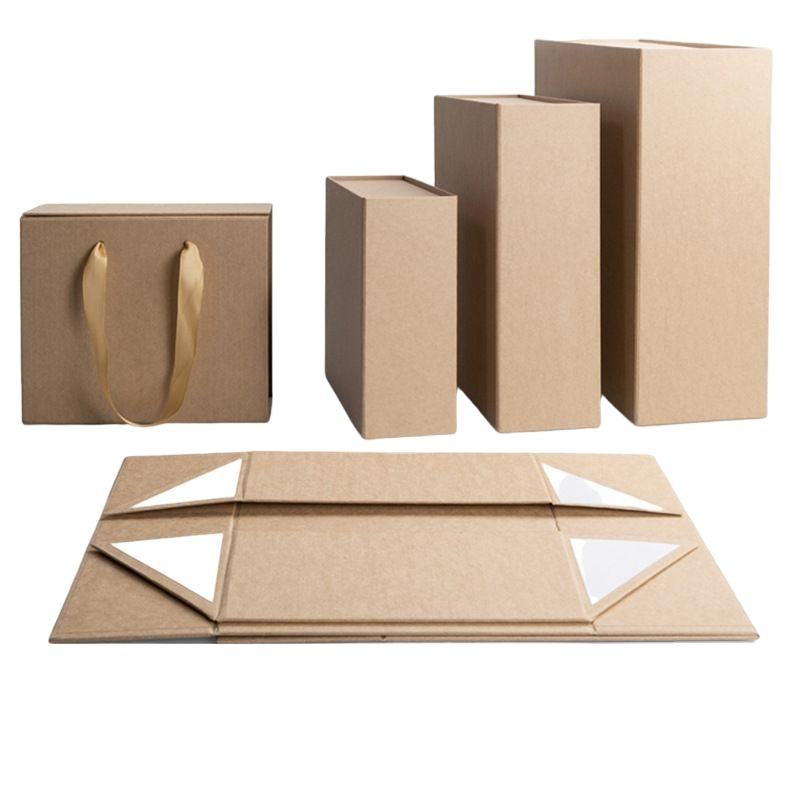 folding carton packaging boxes for product brands” class=”wp-image-2337″ srcset=”https://www.gv-printing.com/wp-content/uploads/2026/06/custom-folding-carton-packaging-boxes.jpg 800w, https://www.gv-printing.com/wp-content/uploads/2026/06/custom-folding-carton-packaging-boxes-300×300.jpg 300w, https://www.gv-printing.com/wp-content/uploads/2026/06/custom-folding-carton-packaging-boxes-150×150.jpg 150w, https://www.gv-printing.com/wp-content/uploads/2026/06/custom-folding-carton-packaging-boxes-750×750.jpg 750w” sizes=”auto, (max-width: 800px) 100vw, 800px” />
Buyer Questions That Control Paper Box Cost and Quality
The largest cost levers are board grade, size, coverage, finishing, tooling, quantity and freight. Lock the critical dimensions first, then compare finishes.
What information should be included in the quote?
Provide finished size, material, quantity, artwork status, application surface, destination and required delivery date. For security products, also specify the verification method and whether serialized data is needed.
How are MOQ, price and lead time determined?
Quantity, print process, tooling, finishes, testing and freight all affect the total. Approving artwork and material early is the fastest way to protect the requested ship date.
Can you supply samples and help with compliance?
Request a physical pre-production sample on the intended substrate. Confirm applicable food-contact, recycling, barcode or market requirements for the US and EU before mass production.