
Send Your Inquiry Today
2D Code & Serialization Labels for Food and Pharma
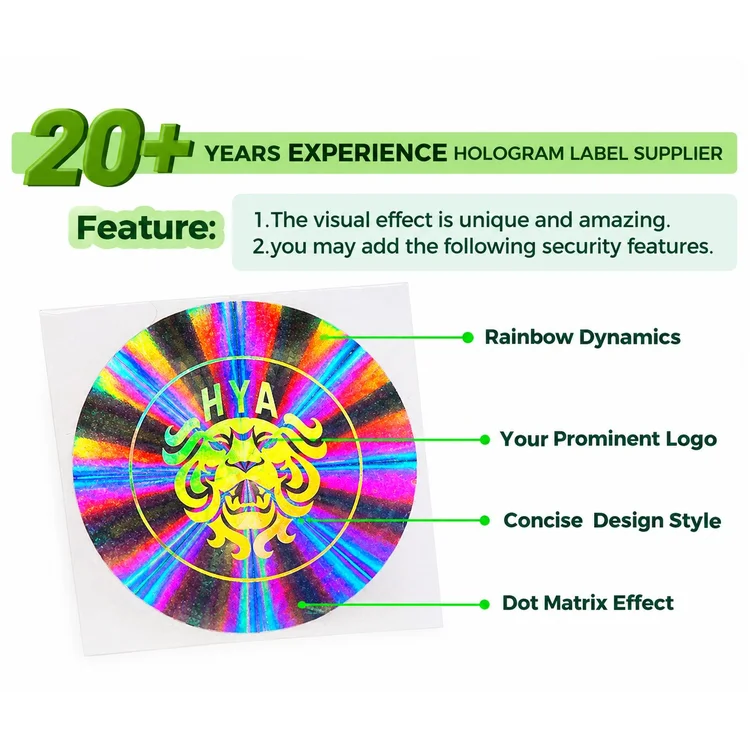
This article explains how current pharmaceutical and food traceability rules affect label design and production. It is general guidance, not legal advice. Regulatory dates and thresholds shift with implementing acts — always confirm the latest text on the official sources linked below (FDA, EUR-Lex, GS1) before you brief a production run.
Contents
- What Changed in 2026: Three Rules Shaping Your Labels
- Who Actually Needs 2D-Code & Serialization Labels
- What It Means for Your Label (the Buyer Checklist)
- How We Produce 2D-Code Security Labels
- Tamper-Evidence: The Pharma Non-Negotiable
- Illustrative Scenario: A Contract Packager’s RFQ
- Specification Quick-Reference
- Your Pre-Production Checklist
- FAQ: 2D-Code Labels for Food & Pharma
What Changed in 2026: Three Rules Shaping Your Labels
If you print or buy labels for food and pharma, 2026 is the year three separate regimes converged on the same conclusion: a linear barcode is no longer enough. What differs is who must comply and how strictly. The timeline below maps the milestones that should be on your production calendar.
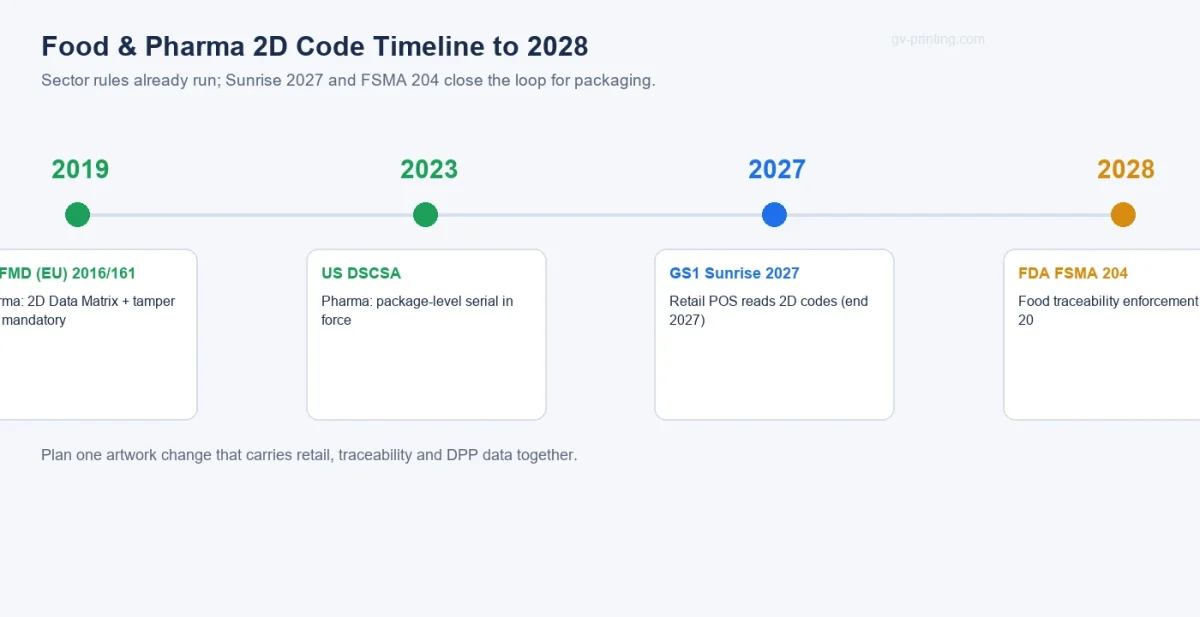
- US DSCSA — full enforcement from 27 May 2026. The US Drug Supply Chain Security Act stabilization period ended 27 May 2026. From 28 May 2026, prescription-drug trading partners must run unit-level serialization, case and pallet aggregation, and EPCIS 1.2+ data exchange. Each saleable unit carries a GS1 DataMatrix encoding (01) GTIN + (17) expiry + (10) lot + (21) serial. Over-the-counter products are exempt. See the FDA DSCSA guidance.
- EU FMD — live since 2019, still the pharma baseline. Directive 2011/62/EU requires two safety features on prescription medicines: a unique identifier as a GS1 DataMatrix, and a tamper-evident device. Pharmacies verify and decommission the code at the point of dispensing through national systems (e.g. EMVO/NMVS, securPharm in Germany). Text: EUR-Lex 32011L0062.
- GS1 Sunrise 2027 — the consumer-goods shift. This is an industry initiative, not a law: by the end of 2027, retail point-of-sale systems should read 2D barcodes (QR or DataMatrix). Major retailers are already updating supplier requirements, which makes “2D-ready” effectively mandatory in many categories. Background: GS1 Sunrise 2027.
- US FSMA 204 — food stays batch-level (for now). The FDA’s food traceability rule requires lot/batch-level记录, with the compliance date delayed to 20 July 2028. Food is not yet item-level serialized the way pharma is — but brand-led traceability and GS1 Digital Link are pushing many food labels toward 2D codes anyway.
Who Actually Needs 2D-Code & Serialization Labels
Not every food and pharma brand is in scope today, but the pressure is widening. You need serialized 2D-code labels if you are:
- Pharma manufacturers and re-packagers shipping prescription units into the US (DSCSA) or EU (FMD) — item-level DataMatrix is already mandatory.
- Contract packagers and private-label fillers who serialize on behalf of a marketing authorization holder and must hand back verified, aggregated data.
- Food brands under FSMA 204 (or voluntarily adopting traceability) that want lot-level codes scannable through the supply chain and by consumers.
- Any consumer brand preparing for Sunrise 2027 — a GS1 Digital Link QR on the pack future-proofs the artwork and unlocks a smartphone destination.
If your product is OTC pharma, general food, or a consumer good, you are not legally forced into item-level serialization yet — but a 2D-ready label costs little extra and removes a future re-tooling cycle. For the broader anti-counterfeit picture beyond food and pharma, see our anti-counterfeit labels buyer’s guide.
What It Means for Your Label (the Buyer Checklist)
This is where 2D-code labels for food and pharma stop being “a barcode” and become an engineering spec. When you brief a converter, these are the points that decide whether your codes scan at the pharmacy, the warehouse, and the checkout:
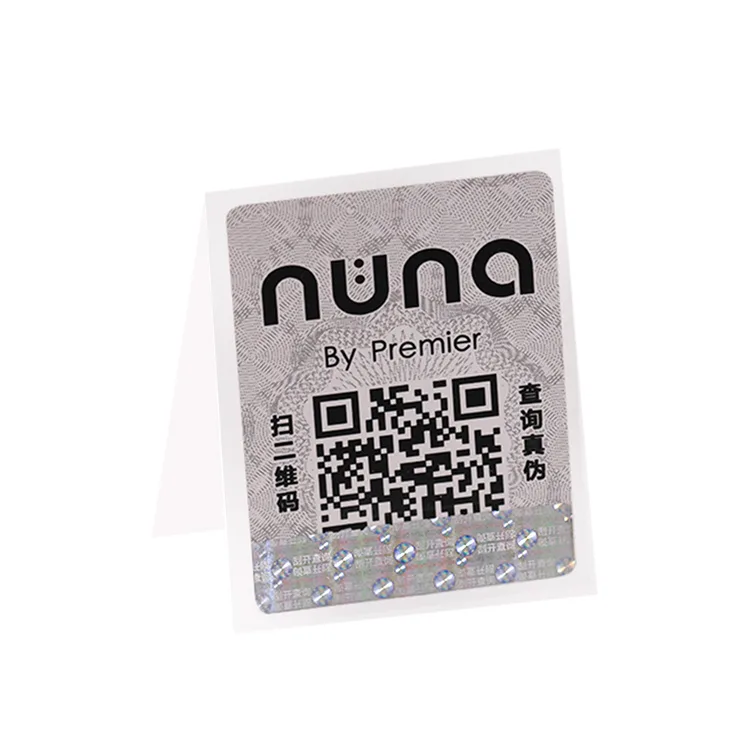
- Variable data, not a static image. Every unit needs a unique serial. The artwork is a template; the data is injected at print time. Plan for database hand-off and a verification loop.
- Print quality grade. Pharma specifications typically call for ISO/IEC 15415 grade B or better (some require grade A). A low-grade code is rejected at the wholesaler dock — not at your QC bench.
- Human-readable text alongside the code. DSCSA and FMD both expect the same data in plain text next to the symbol. Leave quiet zones and room for GTIN, lot, expiry and serial.
- Size vs. pack size. Pharma unit packs can be tiny; a DataMatrix as small as 5×5 mm is workable, but you need a print process that holds edges at that scale. Consumer QR codes have more room and benefit from Digital Link.
- Tamper-evidence (pharma). Under FMD the pack needs a tamper-evident closure in addition to the code. Under DSCSA there is no federal tamper requirement — but many buyers add one anyway.
- Aggregation support. If you ship cases and pallets, the label system must tie unit serials to parent SSCCs and emit EPCIS events.
How We Produce 2D-Code Security Labels
Producing a scannable, grade-B-or-better 2D code on a flexible label is mostly about controlling the print and verifying it inline. Our food-and-pharma line runs variable-data printing with camera-based verification on every code.
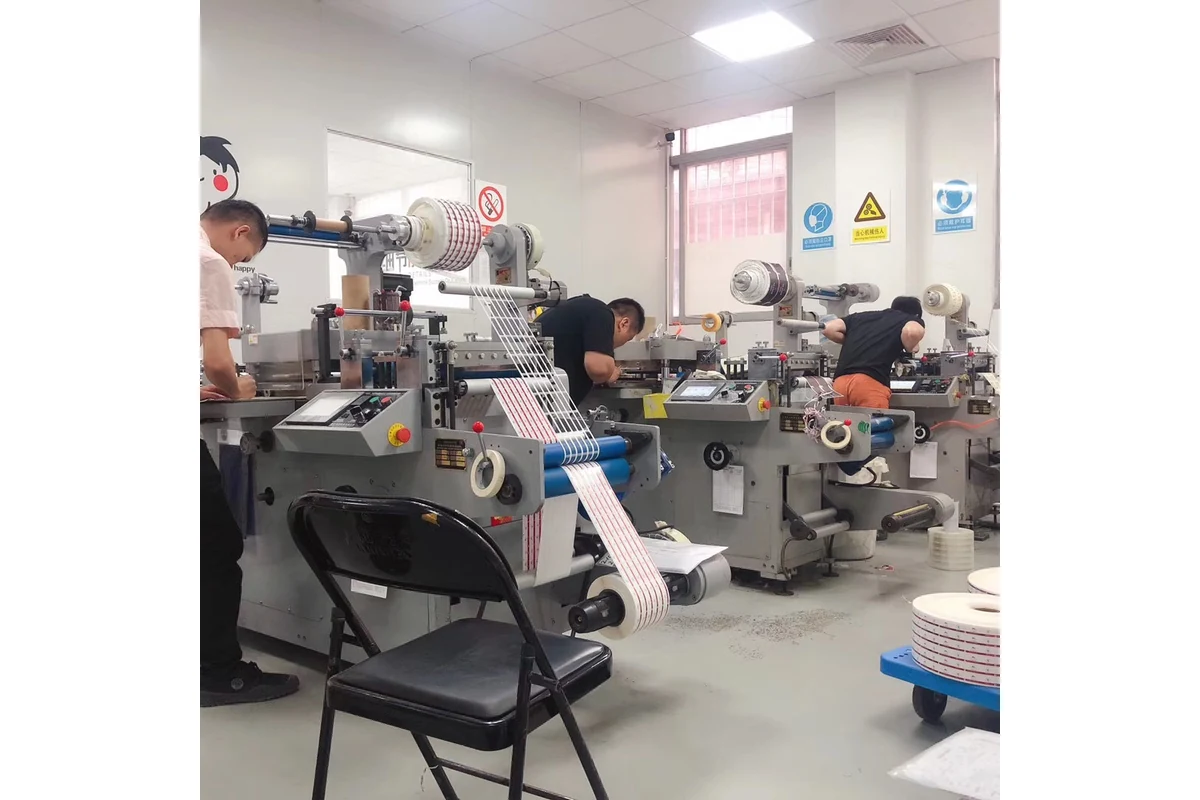
- Print method. UV inkjet or thermal-transfer overlay for crisp edges on films and papers; the choice depends on substrate, durability and cure speed. For high-density DataMatrix on small pharma packs we favor the process that protects edge contrast.
- Vision verification. A camera grades each symbol to ISO/IEC 15415 and rejects bad or duplicate serials before the roll advances — this is where the cost lives, and where rework is avoided.
- Substrate and adhesive. PET/BOPP films, destructible vinyl, and void tamper materials; adhesive matched to the pack surface (glass, coated carton, blister foil).
- DataMatrix vs QR. DataMatrix for dense, tiny, regulated pharma identifiers; QR for consumer-facing, phone-scannable, GS1 Digital Link destinations. Both are valid for Sunrise 2027.
- Why it matters. A code that prints fine in the sample but fails at the wholesaler is a recall-level problem. We print to grade, verify inline, and return the serial range with the shipment.
For layered protection, many buyers pair the 2D code with a hologram or void feature — our smart authentication overview covers how the layers combine.
Tamper-Evidence: The Pharma Non-Negotiable
For EU prescription pharma, a tamper-evident device is not optional — it is one of the two mandated safety features under FMD. Under US DSCSA there is no federal tamper rule, but buyers frequently spec it for brand protection. A void or destructible material leaves a clear “OPENED” mark the moment the pack is breached.
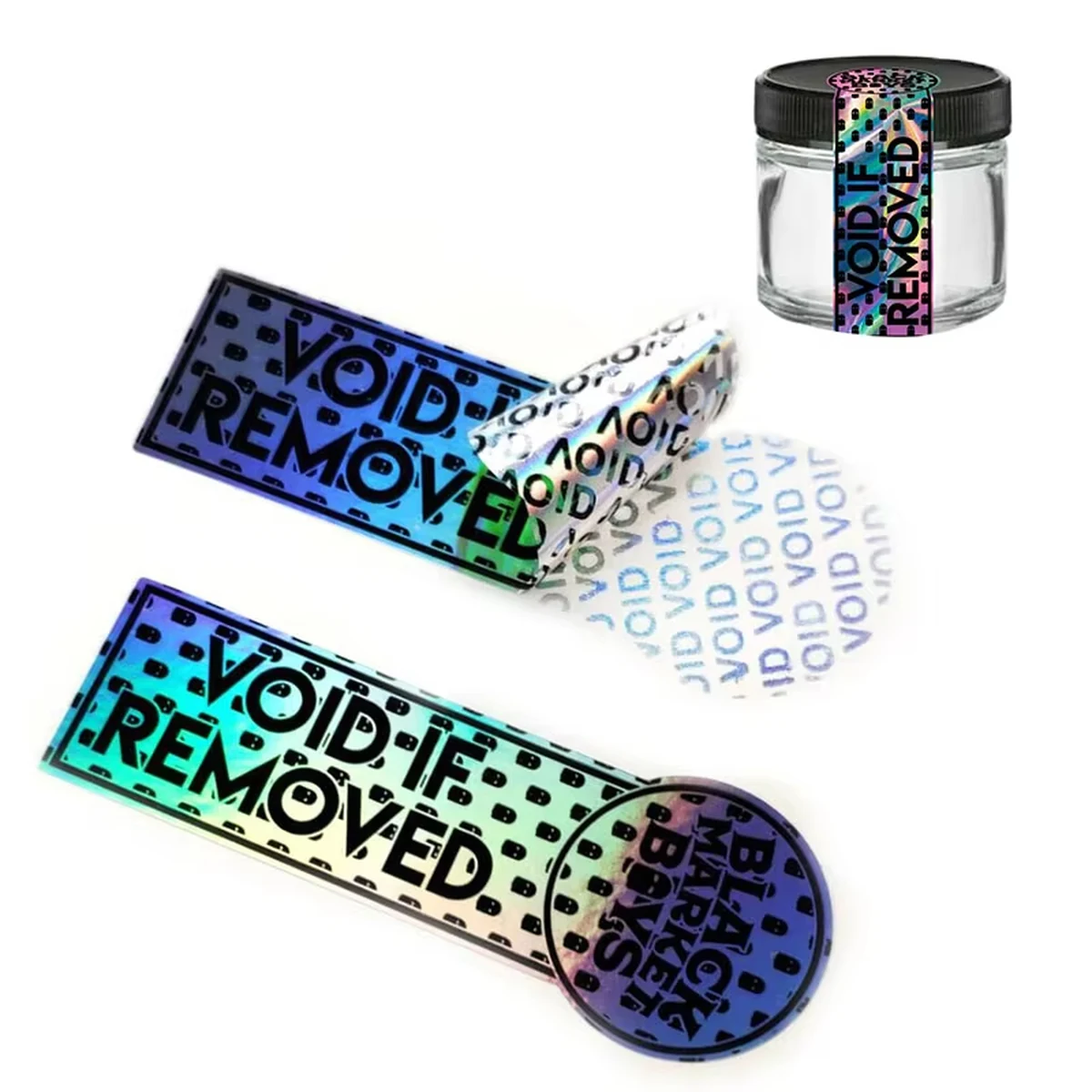
Void and destructible constructions are covered in our dedicated tamper-evident labels guide, including surface-specific residue options.
Illustrative Scenario: A Contract Packager’s RFQ
The following is a composite example built from common requirements, not a specific customer order.
A contract packager filling bottles for a US prescription product issues an RFQ: 50,000 units, each needing a DataMatrix with GTIN/lot/expiry/serial, a human-readable line, and a tamper-evident cap seal; cases aggregated to SSCCs with EPCIS output. The converter quotes UV-inkjet variable data on a film label, inline ISO/IEC 15415 verification at grade B, void material for the cap seal, and a serialized data file delivered with the shipment. The packager validates a sample range against its own verification system before release. No claim is made here about any specific brand, country, or cost — this is the shape of a typical compliant run.
Specification Quick-Reference
| Regime | Market | Level | Code type | Tamper req. | Key date |
|---|---|---|---|---|---|
| DSCSA | US prescription drugs | Unit + aggregation | GS1 DataMatrix | No (federal) | Full enforcement 28 May 2026 |
| EU FMD | EU prescription drugs | Unit | GS1 DataMatrix | Yes | Live since 9 Feb 2019 |
| GS1 Sunrise 2027 | Global retail (voluntary) | Item | QR or DataMatrix | No | POS readiness by end 2027 |
| FSMA 204 | US food | Lot / batch | 1D or 2D | No | Compliance 20 Jul 2028 |
Thresholds and dates are subject to change with implementing acts. Confirm the current text on FDA, EUR-Lex, and GS1 before production.
Your Pre-Production Checklist
Before you send the artwork, confirm these with your converter:
- Which regime applies — DSCSA, FMD, Sunrise 2027, FSMA 204, or a combination?
- Data hand-off format (GTIN, lot, expiry, serial) and who owns the serial range.
- Required print grade (ISO/IEC 15415) and quiet-zone margins.
- Human-readable text placement and font size.
- Tamper-evident material, if required.
- Substrate and adhesive matched to the pack surface.
- Aggregation (SSCC) and EPCIS output, if shipping cases/pallets.
- Inline verification and the serial-file deliverable.
Working through these early prevents the expensive failure mode: a beautiful label that does not scan at the point of use. If you want a physical sample printed to your spec, contact our team with the regime and pack size.
FAQ: 2D-Code Labels for Food & Pharma
Do food products need item-level serialization like pharma?
Not yet in the US — FSMA 204 requires lot/batch-level traceability, with compliance delayed to July 2028. Pharma (DSCSA, FMD) is already item-level. Many food brands still add 2D codes voluntarily for transparency and Sunrise 2027 readiness.
QR or DataMatrix — which should I use?
DataMatrix for dense, tiny, regulated pharma identifiers; QR for consumer-facing, smartphone-scannable packs, especially with GS1 Digital Link. Both satisfy Sunrise 2027.
What print grade do I need?
Pharma specifications commonly require ISO/IEC 15415 grade B or better, sometimes grade A. Ask your buyer’s verification threshold before art approval.
Is a tamper-evident seal required for US drugs?
No federal tamper requirement under DSCSA, but the EU FMD mandates a tamper-evident device for prescription medicines. Buyers often add one regardless.
What happens after 2027 for regular retail barcodes?
Linear barcodes are not switched off. Sunrise 2027 is an industry initiative for POS systems to also read 2D codes; a dual-code transition runs for years.
Can one label satisfy both pharma and consumer scanning?
Yes — a GS1 Digital Link QR can carry the GTIN and route smartphones to a product page while remaining scannable at POS, though regulated pharma packs still need the DataMatrix identifier per FMD/DSCSA.
Not legal advice. Regulatory dates and thresholds change with implementing acts — verify the current requirements via the official sources linked above before briefing production. For certificate-of-authenticity and hologram options beyond 2D codes, see our COA hologram stickers page.