
Send Your Inquiry Today
PPWR PFAS Limits: What Your EU Food-Contact Packaging Must Meet
Your food-contact packaging can be non-compliant in the EU today without a single wrong word on the label. Under the EU Packaging and Packaging Waste Regulation (PPWR), per- and polyfluoroalkyl substances (PFAS) in packaging material are now capped at parts-per-billion levels. This guide breaks down the PPWR PFAS limits, the packaging types they capture, and how a converter actually produces packaging that passes the test.
Table of contents
What changed: PPWR Article 5(5)
The PPWR is Regulation (EU) 2025/40. It replaced the 30-year-old Packaging Directive 94/62/EC and became directly applicable across all 27 member states on 12 August 2026. For food packaging, the provision that matters most is Article 5(5).
Article 5(5) sets the PPWR PFAS limits for food-contact packaging. Unlike the recyclability grading rules that phase in through 2030, these limits are already live. There is no stock sell-through period: packaging first placed on the EU market after 12 August 2026 must comply, while packaging already on sale before that date may continue to circulate.
The limits are written against the PFAS content of the packaging material itself, not against migration into food. That single detail is why so many buyers are caught out — a coating, adhesive, or printing ink that never appears on the spec sheet can still breach the PPWR PFAS limits.
That content-based logic is why the PPWR PFAS limits are structured as three tiers rather than a single number. Targeted laboratory methods can only see the substances they are calibrated to find, so the regulation pairs a substance-specific line, a summed line, and a total-fluorine backstop that catches anything the targeted panel misses. For buyers the practical consequence is simple: a supplier statement that addresses only one of the three tiers does not demonstrate compliance with the PPWR PFAS limits.
Article 5 also caps heavy metals (lead, cadmium, mercury, and hexavalent chromium) at 100 mg/kg across all packaging components, and the Commission is expected to publish a Substances of Concern list by 31 December 2026. The PPWR PFAS limits are the immediate, no-grace-period item, but they sit inside a wider chemical-control framework that keeps expanding.
The European Commission published implementation guidance in June 2026 that clarifies the stepwise testing route and the evidence buyers should hold (EU packaging rules overview). Enforcement sits with national authorities: on request they can demand your technical file within ten days, and packaging that breaches the PPWR PFAS limits must be withdrawn.
Who gets hit: the food-contact packaging in scope
PFAS earned their place in packaging because they repel oil, water, and grease and they release cleanly from moulds. Those are exactly the properties used in:
- Grease-resistant paper bags and bakery wrap
- Fast-food boxes, trays, and sandwich skillets
- Microwave popcorn bags and other heat-seal films
- Paper-plastic composite food containers
- Frozen-food inner film and liners
- Labels whose adhesive or ink layer sits against food
“Food contact” is broader than most teams assume. If your packaging carries unpackaged food, or a food-contact layer sits behind a printed surface, the PPWR PFAS limits apply to the whole construction — not just the layer you think of as “the package.” A laminated carton, a release liner, and a varnish can each be the point of failure.
The commercial risk is concentrated. A single SKU that breaches the PPWR PFAS limits can block an entire EU shipment at the border or during a market-surveillance check, and the EU importer carries the verification duty even when the packaging is manufactured offshore. For a brand, that means one overlooked coating can take a product line off the shelf.
Labels deserve special attention here. A self-adhesive label whose adhesive or ink layer sits against food — a fruit sticker, a deli seal, a jar-front label on a product packed in oil — falls under the PPWR PFAS limits just as fully as the carton behind it. Because labels are thin, small, and frequently specified last, they are the most common place where a fluorinated release liner or adhesive slips through an otherwise clean specification.
★ What the PPWR PFAS limits mean for your label & packaging
The PPWR PFAS limits are expressed as three independent thresholds under Article 5(5). Cross any one of them and the packaging cannot be placed on the EU market.
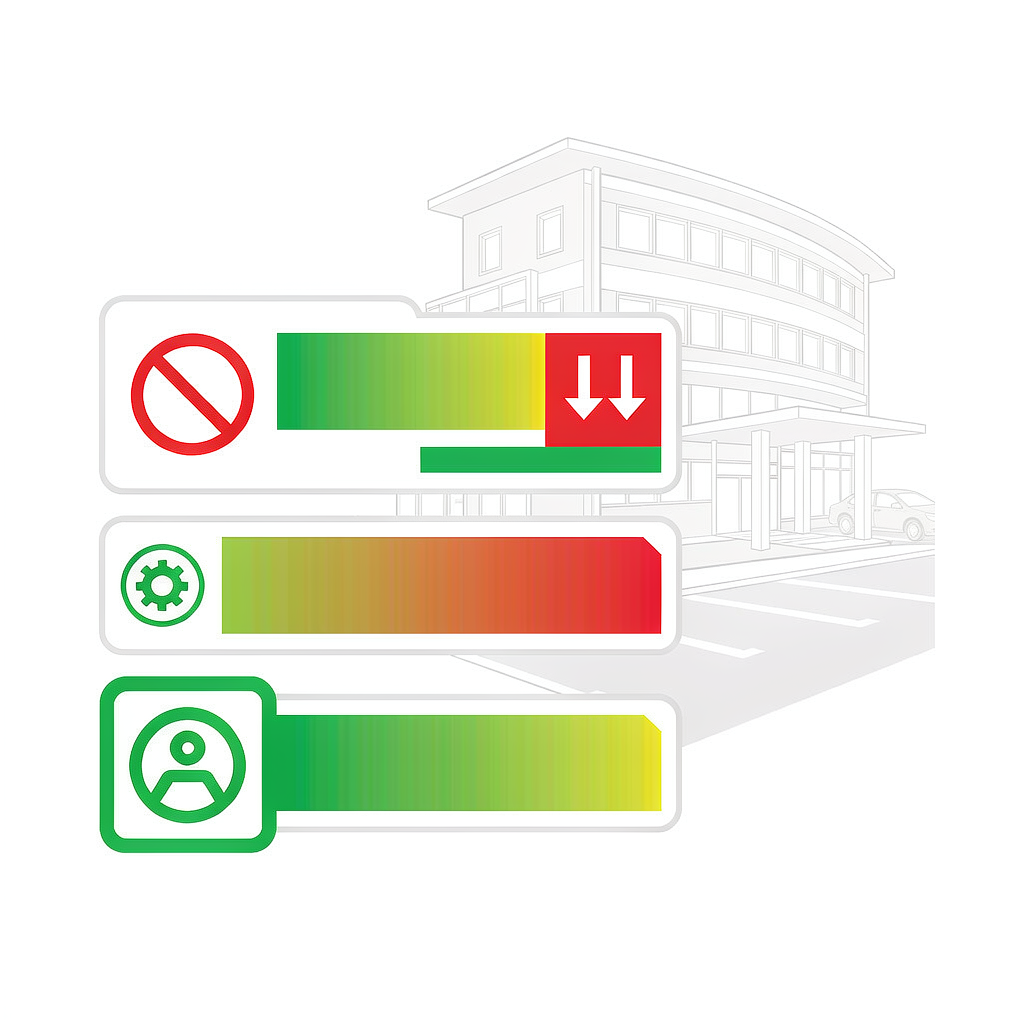
1. Any individual PFAS (targeted analysis, polymeric PFAS excluded): under 25 ppb. A targeted laboratory method looks for specific PFAS, and none may exceed 25 parts per billion by weight. This is the single-substance line.
2. Sum of targeted PFAS (measured after precursor degradation, polymeric PFAS excluded): under 250 ppb. Even if each substance is tiny on its own, the combined total of targeted PFAS must stay under 250 ppb.
3. Total PFAS, including polymeric PFAS: under 50 ppm. This is the broadest line. It captures the entire PFAS family — polymers included — at a 50 parts-per-million ceiling.
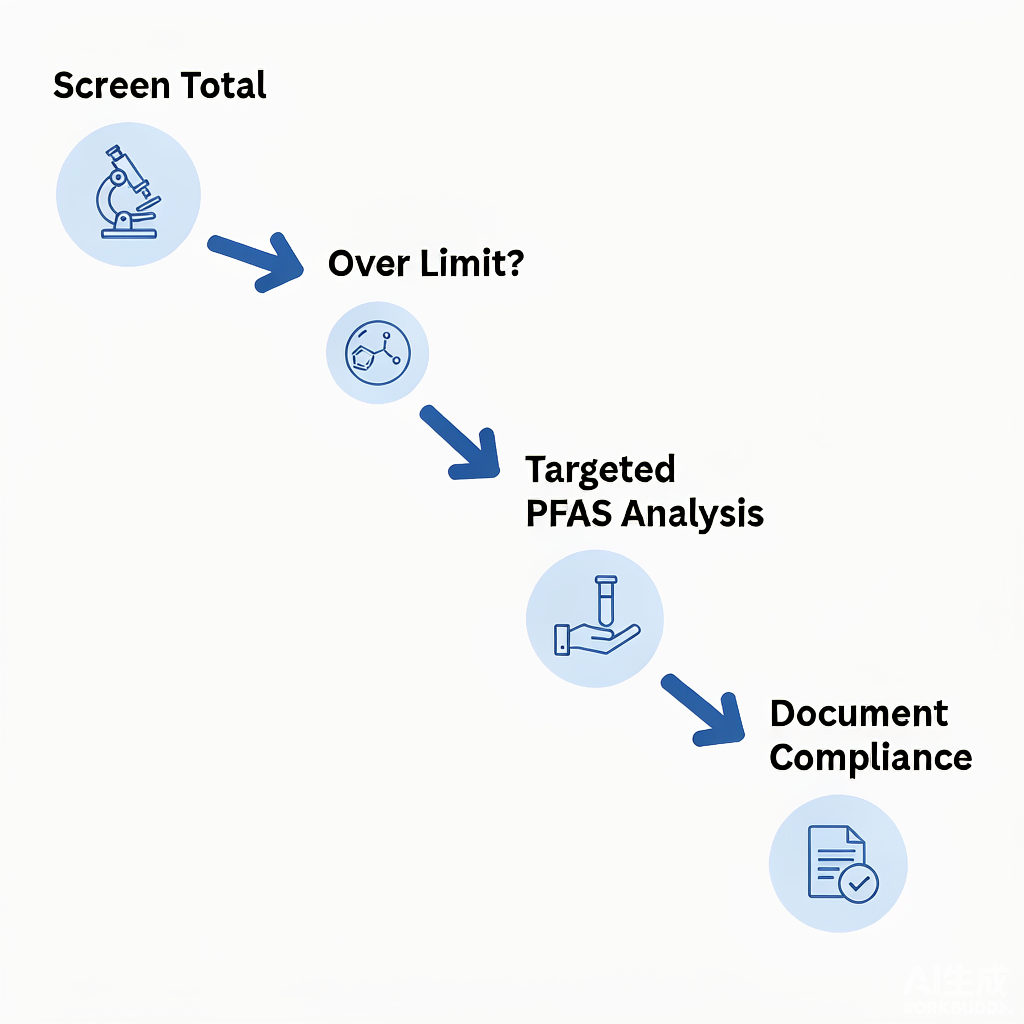
There is one more practical rule. If the total fluorine (TF) in the packaging exceeds 50 mg/kg, the manufacturer or importer must, on request, prove where that fluorine comes from — PFAS or non-PFAS. The European Commission’s June 2026 guidance recommends a stepwise test: screen total fluorine first, and only commission the more expensive targeted analysis if that screen is exceeded. A TF or organic-fluorine result under 50 mg/kg is generally treated as compliant under the PPWR PFAS limits, which keeps routine clearance affordable.
For day-to-day sourcing, the 50 mg/kg total-fluorine indicator is the workhorse of the PPWR PFAS limits: it is fast, inexpensive, and screens the whole construction at once. Ask every supplier — board mill, laminate producer, adhesive maker — for a total-fluorine figure against the actual production lot, and treat the targeted 25 ppb and 250 ppb analyses as the confirmation step when a screen comes back high or when the material has no fluorine history at all.
PFAS threshold and scope at a glance
| Limit line | What it covers | Threshold | Notes |
|---|---|---|---|
| Single PFAS | Any individual PFAS, targeted analysis (polymeric PFAS excluded) | under 25 ppb | Parts per billion by weight |
| Sum of targeted PFAS | Total of targeted PFAS after precursor degradation (polymeric PFAS excluded) | under 250 ppb | Combined total of measured substances |
| Total PFAS | All PFAS including polymeric PFAS | under 50 ppm | The broadest line; polymeric PFAS included |
| Total fluorine proof | Where TF exceeds 50 mg/kg | proof of fluorine source required | On request from a national authority |
| Scope | Food-contact packaging placed on the EU market | applies from 12 Aug 2026 | No general stock sell-through period |
★ How we produce PFAS-free packaging
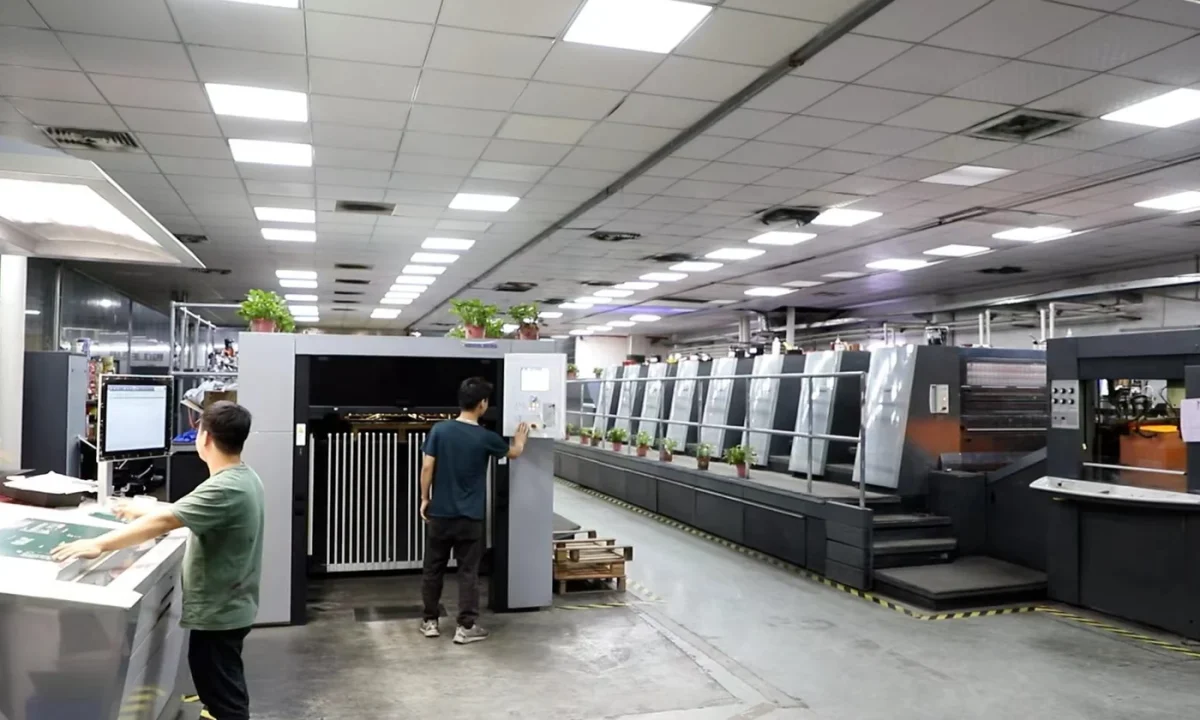
A converter cannot test its way to compliance after the fact. Meeting the PPWR PFAS limits starts long before print — in material qualification and documentation discipline. Our process for EU-bound food-contact packaging runs like this:
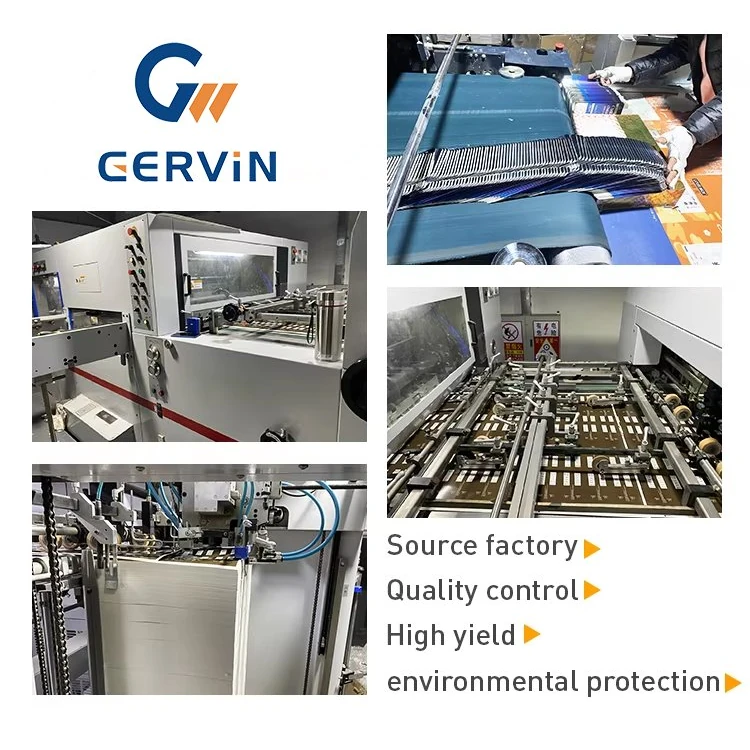
Base material qualification. We specify PFAS-free paper and board from mills that provide fluorine-content declarations, and we treat recycled or unknown-history fibre as a screening priority rather than a rubber stamp.
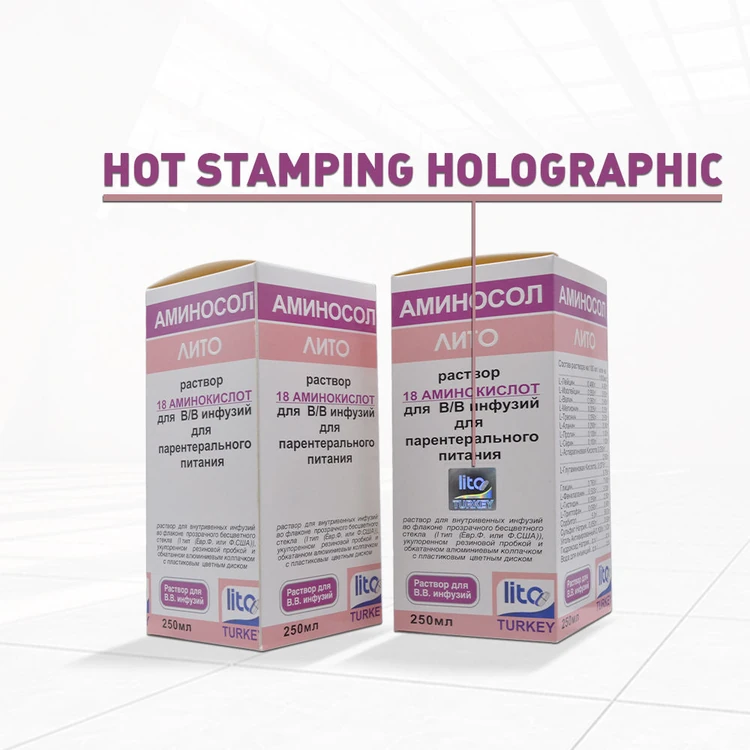
Artwork and finishing review. Before plate-making we review artwork for spot varnishes, foil stamping, and laminate specifications, because decorative finishes are a classic hidden fluorine source. Any finish that cannot be documented as PFAS-free is re-specified at artwork stage, when changes cost nothing — the step where the PPWR PFAS limits are cheapest to satisfy.
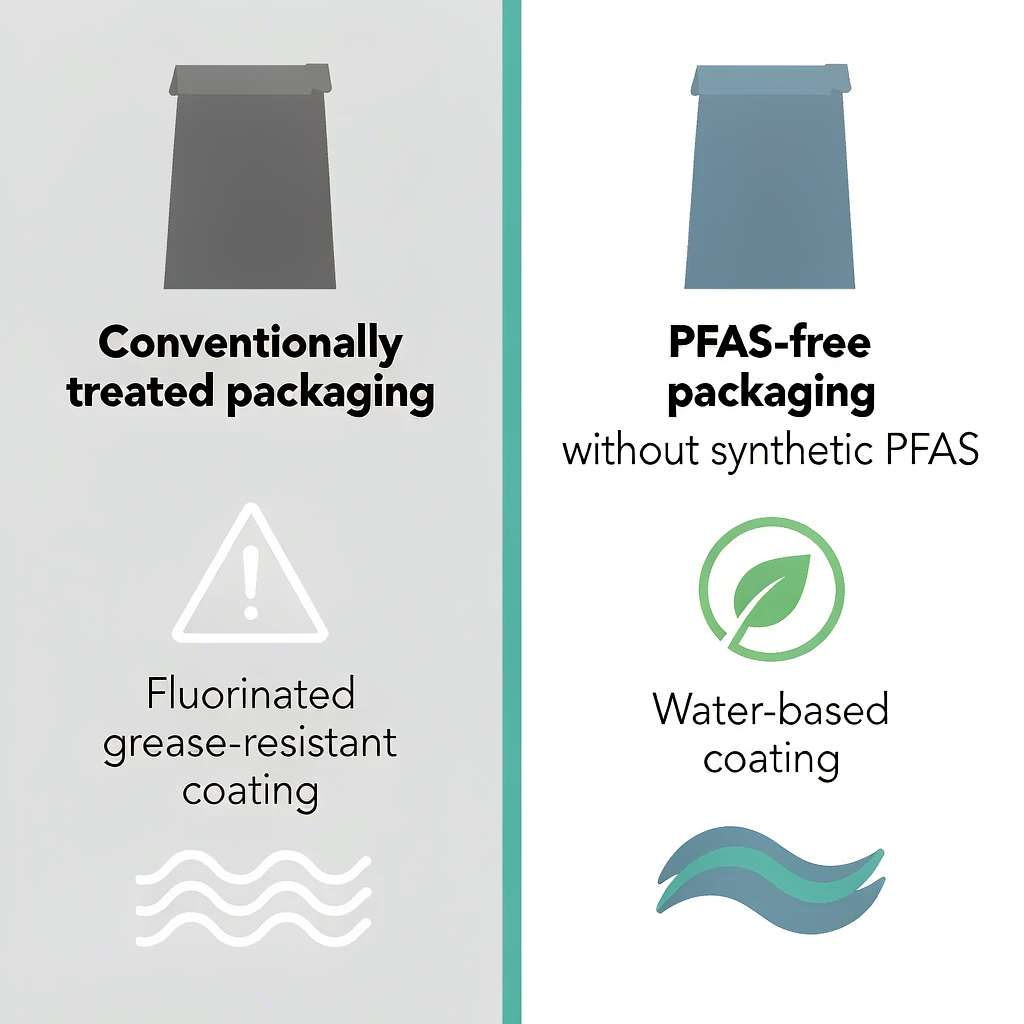
Non-fluorinated barriers. Where grease or water resistance is needed, we use water-based and other non-fluorinated coatings instead of fluorinated treatments — the same switch shown in the comparison below.
Supplier declarations. We request PFAS substance statements from adhesive and ink suppliers covering every food-contact layer, and we keep those statements tied to the specific product code and production site.
Coordinated laboratory screening. We arrange third-party total-fluorine screening tied to the actual production lot, not a generic mill certificate. When a borderline result appears, we re-specify the coating before the run rather than after it ships.
Conformity documentation. Under Articles 38 and 39 we compile the EU Declaration of Conformity and the Annex VII technical file, and we retain records for five years for single-use packaging and ten years for reusable packaging.
Change control. Coating, material, or plant changes trigger re-assessment before the next run, not after — so a compliant SKU stays inside the PPWR PFAS limits across reorders.
Illustrative case study
The following scenario is illustrative and does not describe a specific customer or order.
A North American supplement brand asked us to produce a food-contact carton for the EU market. We started by screening the clay-coated board and requesting the mill’s fluorine declaration. The original release liner used a fluorinated treatment; we substituted a water-based alternative and re-confirmed that the board’s total-fluorine screen sat comfortably under the 50 mg/kg indicator set by the PPWR PFAS limits. We then compiled a product-specific compliance declaration referencing (EU) 2025/40, assembled the technical file, and issued the EU Declaration of Conformity. The brand shipped with traceable evidence rather than a one-line “PFAS-free” certificate.
★ Download the free checklist

Before you approve a food-contact specification for the EU, work through a structured evidence pack. Our PFAS Compliance Self-Assessment Checklist for Packaging Buyers (PDF) — built around the PPWR PFAS limits — walks through scope and roles, material screening, the stepwise testing path, conformity documentation, and supplier change control.
Use it to brief your sourcing team and to benchmark what your converter should be able to hand you.
FAQ
Does the 50 ppm limit include polymeric PFAS? Yes. The 50 ppm line is total PFAS including polymers; the 25 ppb and 250 ppb lines exclude polymeric PFAS from quantification.
Is there a grace period to sell existing stock? No general sell-through period. Packaging first placed on the EU market after 12 August 2026 must comply with the PPWR PFAS limits; stock already on the market before that date may continue to sell.
Do the limits apply to migration into food? No. The limits are on PFAS content in the packaging material, so coatings, adhesives, and inks are in scope regardless of whether they migrate.
Can a single “PFAS-free” certificate clear me? Not reliably. Regulators and buyers want product-specific evidence tied to the actual SKU, test method, and batch — not a generic factory certificate.
How should I test? Follow the EC stepwise approach: screen total fluorine first; only commission the targeted PFAS and sum analyses behind the PPWR PFAS limits if that screen is exceeded.
Do the PPWR PFAS limits apply to labels and adhesives? Yes. Any food-contact layer is in scope, including the adhesive and ink of a label applied directly to food or to a food-contact surface.
What should my converter hand over as evidence? Product-specific documentation: mill fluorine declarations, supplier PFAS statements, lot-linked total-fluorine screening results, and the EU Declaration of Conformity with its technical file — the evidence pack the PPWR PFAS limits are enforced against.
Where can I read the official sources? The binding text is Regulation (EU) 2025/40 on EUR-Lex; the Commission’s guidance and the wider PFAS picture are covered by ECHA’s PFAS information.
Related compliance guides
If you are building a PPWR evidence pack, these related guides help:
- PPWR Labelling Requirements — what the regulation expects on and around the pack
- PPWR Recyclability Grades A/B/C — the 2030 recyclability thresholds
- FSC Packaging Boxes & EUDR Buyer Guide — responsible sourcing and deforestation rules
- US State EPR Requirements — producer responsibility beyond the EU
- Custom Coffee Paper Bags — food-contact paper packaging we manufacture
- Twisted-Handle Kraft Paper Bags — recyclable retail and food-service bags
Need a specification that clears the PPWR PFAS limits? Send us your artwork and we will run a compliance pre-check and quote a food-safe, documented build.