
The Ultimate Guide to Anti-Counterfeit Labeling: How High-Tech Protection Saves Your Brand Integrity and Consumer Trust
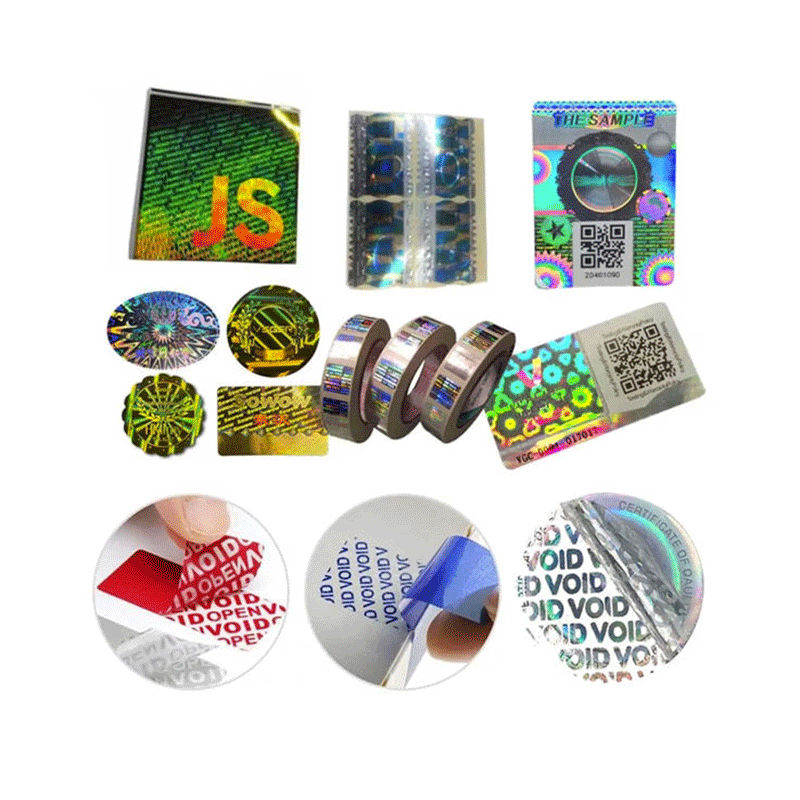
Every single day, thousands of businesses lose millions of dollars, and more importantly, their hard-earned customer trust, to the rapidly growing global counterfeit market. From high-end cosmetics and life-saving pharmaceuticals to premium food packaging and delicate electronics, no industry is safe from gray-market replicas and sophisticated fakes. As an experienced label printing specialist, we have watched brands struggle to protect their supply chains using outdated, easily copied packaging designs. This comprehensive guide breaks down exactly why implementing a high-tech anti-counterfeit label strategy is no longer a luxury for premium brands—it is an absolute operational necessity. We will explore the latest factory technical indicators, practical deployment roadmaps, and the exact material specifications required to build an uncopyable fortress around your products. Whether you are running a fast-growing start-up or managing an enterprise supply chain, this deep dive provides the actionable data and long-term planning frameworks you need to safeguard your products, defend your revenue, and maintain absolute consumer confidence in an increasingly complex global marketplace.

Key Takeaways

  • Multilayered Security is Essential: Combining overt features like a wholesale hologram sticker holographic label printing system with covert features ensures total protection.
  • Material Selection Drives Performance: Utilizing a custom vinyl labels base or tamper-evident features like holographic void stickers security seal 3D anti-counterfeit label options prevents physical transfer.
  • Digital Integration Bridges the Gap: Integrating a wholesale hologram qr a label sticker links physical security directly to real-time cloud authentication.
  • Scalability Lowers Unit Cost: Partnering directly with a high-volume shipping label manufacturer or a specialized high quality label printer optimizes production efficiency.

The Growing Menace of Counterfeiting and the Power of Layered Security

When fake products enter the open market, the damage to your business extends far beyond a simple lost sale. A sub-par counterfeit item can ruin your brand reputation instantly, lead to costly legal liabilities, and even pose severe health risks to your end consumers. That is why modern brand protection requires moving far beyond basic, standard packaging prints. True security relies entirely on creating a highly advanced, multi-tiered physical and digital barrier on your product packaging.

To build an uncopyable defense system, top-tier engineering projects leverage a concept known as layered security. This methodology divides authentication features into three distinct levels: overt, covert, and forensic.

┌─────────────────────────────────────────────────────────┐
│              THREE-LAYERED SECURITY SYSTEM              │
├───────────────────────────┬─────────────────────────────┤
│ 1. OVERT FEATURES         │ Visible to the naked eye    │
│ (Public Recognition)      │ E.g., Holograms, QR codes   │
├───────────────────────────┼─────────────────────────────┤
│ 2. COVERT FEATURES        │ Hidden from plain sight     │
│ (Secure Verification)     │ E.g., UV inks, Microtext    │
├───────────────────────────┼─────────────────────────────┤
│ 3. FORENSIC FEATURES      │ Laboratory verification     │
│ (Legal & Supply Chain)    │ E.g., DNA taggants          │
└───────────────────────────┴─────────────────────────────┘

Overt security elements are visible directly to the naked eye, allowing your retail consumers to quickly verify authenticity right at the shelf. Covert security elements remain hidden from plain view, requiring specific tools like UV blacklights or handheld scanners for your field investigators or customs officials to check. Forensic elements are molecular-level taggants embedded directly into the material matrix, requiring laboratory analysis to prove authenticity indisputably during legal challenges.

By combining an eye-catching wholesale security eal ticker hologram sticker with hidden security features, you create a complex puzzle that counterfeiters cannot reverse-engineer economically. When you integrate these features onto a rugged base material, such as specialized custom sticker labels, you ensure that the security asset stays completely intact throughout the rough transit cycles of the global logistics chain.

Technical Specifications and Factory Metrics for Anti-Counterfeiting

From a pure label manufacturing perspective, an effective security label is an engineering marvel. It requires high-precision machinery, strict cleanroom tolerances, and complex multi-layer material coating processes. When we engineer a custom anti-counterfeit label, we look closely at several core technical metrics: optical line density, adhesive shear strength, release liner thickness, and chemical resistance profiles.

For instance, true holographic labels rely on sub-micron structures embossed into specialized foils. A master holographic image is created using laser electron-beam lithography, achieving resolutions up to 120,000 dots per inch (DPI). When combined with variable data digital printing, a high quality label printer can merge these static optical arrays with unique sequential serialization, ensuring that no two labels leaving the factory floor are ever identical.

The data table below outlines the core industrial material standards used across high-security packaging applications today:

Property / MetricIndustrial Standard TestOptimal Range / ValuePrimary Protective Function
Embossing ResolutionISO/IEC 15415 Optical Check60,000 to 120,000 DPIPrevents optical duplication
Adhesive Shear StrengthFINAT FTM-8 (Stainless Steel)Greater than 150 HoursPrevents label peeling and transfer
Facestock Material TypeASTM D3330 Peel AdhesionDestructible Matte PET / VinylEnsures structural destruction on tampering
Chemical ResistanceASTM D5402 (MEK Rub Test)Greater than 200 Double RubsProtects critical security inks from solvents
Temperature ToleranceFactory Thermal Chambers-40°F to 257°F (-40°C to 125°C)Survives freezing storage and engine bays

Integrating Anti-Counterfeiting with Commercial Product Labels

A major mistake many brand managers make is treating security as an afterthought. They design a gorgeous, high-end product label, and then slap a cheap, generic holographic square right next to it. This completely ruins the shelf appeal of your product and signals to consumers that your security measures are just a superficial addition. The key to successful brand protection is seamlessly blending security features directly into your commercial product label printing workflow.

Modern rotary printing presses allow us to combine decorative elements and high-security structures in a single pass. For example, if you run a premium beverage company ordering wholesale bottle labels, we can apply a customized, high-resolution custom shape logo hologram sticker OEM element directly into the primary face label design. This means your brand logo itself becomes the primary security asset, shimmering beautifully in the light while simultaneously carrying hidden microtext and tamper-evident backing patterns.

Similarly, if you are designing vibrant food packaging labels or complex cosmetic label printing batches, you do not have to sacrifice your brand aesthetic for security. We can introduce gorgeous custom roll labels that utilize specialty covert UV-fluorescent inks that blend perfectly into your custom brand colors under daylight, but glow a brilliant, unmistakable neon blue or green under a standard verification scanner.

┌──────────────────────────────────────────────────────────┐
│           INTEGRATED SECURITY LABEL LAYERS               │
├──────────────────────────────────────────────────────────┤
│ Top Coat: Gloss / Matte Protective Overlaminate          │
├──────────────────────────────────────────────────────────┤
│ Graphic Layer: Brand Logo & Product Info Inks            │
├──────────────────────────────────────────────────────────┤
│ Security Layer: Custom Holographic Pattern & Microtext   │
├──────────────────────────────────────────────────────────┤
│ Substrate: Destructible Vinyl or Tamper-Evident PET      │
├──────────────────────────────────────────────────────────┤
│ Adhesive Layer: High-Bond Permanent Acrylic              │
└──────────────────────────────────────────────────────────┘

This integrated approach maintains your high-end premium aesthetic while building an incredibly hostile environment for counterfeiters.

Sector-Specific Application Strategies

Different industries face completely different supply chain threats, meaning your security label configuration must be customized to fit your specific market landscape. Let us look closely at how different sectors deploy these specialized label assets to protect their products and customers.

1. Cosmetics and Personal Care

The personal care industry faces a massive gray-market diversion problem. Sub-standard replica lotions and perfumes are frequently filled with harsh, toxic chemicals and sold under premium brand names. To protect these delicate products, advanced cosmetic label printing operations integrate a customized, high-security custom hologram warranty label tamper proof asset right across the bottle cap closure.

If a bad actor attempts to open the bottle to dilute or swap out the premium formula, the label’s fragile structural layers rupture instantly, rendering the package unsellable and clearly signaling a compromised product to the end user.

2. Food and Beverage Packaging

In the food sector, keeping consumers safe from contaminated or unverified ingredients is priority number one. High-volume food packaging labels are frequently exposed to moisture, oils, and deep-freezing temperatures. Therefore, brands must leverage robust waterproof label printing bases combined with aggressive adhesive systems.

By applying a specialized holographic void stickers security seal 3D anti-counterfeit label across the outer box or lid, food manufacturers can guarantee freshness and origin authenticity from the processing factory all the way to the kitchen table.

3. E-commerce and Logistics

With the massive explosion of direct-to-consumer e-commerce shipping, transit theft and cargo pilferage have reached all-time highs. Sophisticated logistics operations now partner directly with a dedicated shipping label manufacturer to create smart, secure tracking systems.

By embedding a secure tracking matrix into high-volume custom roll labels, logistics managers can easily cross-reference a package’s real-time digital location against its physical security indicators, completely eliminating blind spots across complex multi-country shipping routes.

Long-Term Deployment and Supply Chain Architecture

Implementing a truly bulletproof brand protection strategy requires a well-planned, long-term deployment roadmap. You cannot simply buy a random batch of security stickers and consider your brand fully protected. True supply chain security requires careful coordination between your material procurement teams, your external packaging suppliers, and your IT backend infrastructure.

Phase 1: Strategic Material Selection

Your very first step is selecting a durable, high-performance base substrate that can easily survive the unique environmental conditions of your supply chain. For rugged, outdoor applications or industrial hardware components, utilizing high-durability custom vinyl labels ensures your critical security graphics will not fade, scratch, or peel off over time.

If your company has a strong corporate focus on environmental sustainability, you can work with an expert printer to design a high-security eco friendly label printing framework. This advanced system uses biodegradable face stocks and non-toxic water-based security inks, allowing you to achieve world-class security metrics without increasing your long-term environmental footprint.

Phase 2: Choosing Your Manufacturing Partner

The overall strength of your anti-counterfeiting program relies heavily on the physical capabilities and internal security protocols of your chosen label printer. When sourcing a high-volume private label printing provider, you must ensure that their production facility follows strict chain-of-custody procedures.

A truly professional security printer will securely destroy all scrap holographic foils, lock down their digital master files, and maintain comprehensive access logs across their entire manufacturing floor. This strict control guarantees that your unique security materials can never be stolen or leaked to the black market directly from the production facility.

Phase 3: Digital Integration and Cloud Verification

To completely future-proof your product security, your physical label assets must act as a gateway to a secure digital infrastructure. This is achieved by combining advanced print features with cloud-based tracking. By deploying a comprehensive wholesale hologram qr a label sticker array, you provide a dual layer of protection.

The customer inspects the shifting visual dimensions of the physical hologram to confirm the packaging is original, and then scans the encrypted QR code with their smartphone camera. This action hits a secure cloud server, instantly verifying the product’s individual serial number, tracking its exact geographic scan location, and providing your corporate team with real-time telemetry on potential counterfeit hotspots anywhere in the world.

External Resources and Regulatory Standards

To help your team stay fully up-to-date with global authentication standards and legal frameworks, we highly recommend reviewing the official guidelines and technical publications provided by these trusted global organizations:

Frequently Asked Questions

What makes an anti-counterfeit label completely uncopyable by modern bad actors?

A true security label is never just a simple printed graphic. It relies entirely on a complex combination of specialized material science, hidden chemical markers, and high-precision optical structures. Counterfeiters generally use standard commercial printing equipment. They cannot accurately replicate high-resolution electron-beam holograms, specialized multi-tonal UV-fluorescent inks, or fragile destructible substrates that tear apart instantly upon removal.

Can we combine eco-friendly materials with high-security anti-counterfeiting features?

Yes, absolutely. Modern material science allows us to apply advanced security elements like custom holographic foils, micro-serialization, and overt tracking codes directly onto sustainable substrates. This includes certified post-consumer recycled (PCR) liners, industrial compostable films, and FSC-certified papers, allowing your brand to maintain a green footprint while maintaining an elite security posture.

How do tamper-evident features like “VOID” patterns protect our supply chain?

Tamper-evident labels use a clever multi-layer construction with a precisely patterned structural release layer. When the label is applied to a clean surface, the high-bond permanent adhesive creates an unbreakable bond. If a counterfeiter attempts to peel the label off to place it on a fake product, the internal layers separate permanently, leaving a bold, visible message like “VOID” or “OPENED” on both the container surface and the label facestock itself.

What is the minimum order quantity typically required for custom security printing?

Because custom security printing requires highly specialized machine calibration, custom laser tooling, and dedicated security ink setups, production runs are most cost-effective at higher volumes. Most industrial facilities run batches starting around 10,000 to 25,000 units. Purchasing your security assets via master rolls helps significantly lower your individual per-unit cost while guaranteeing perfect print consistency across your entire inventory.

How do smart QR codes integrated into holograms help with real-time gray market diversion?

Each smart QR code contains an entirely unique, encrypted cryptographic URL string. When a customer, distributor, or customs inspector scans that code, the cloud tracking system records the scan time, device type, and GPS location coordinates. If a batch of products originally manufactured for a specific region suddenly gets scanned in a completely different country, your brand protection team receives an automated alert, allowing you to instantly isolate and shut down unauthorized supply chain leaks.

Previous Post
The Ultimate Guide to Custom Packaging Boxes Printing: Elevate Your Brand in 2026
Next Post
The Ultimate Guide to Custom Printing Anti-Counterfeit Labels for Modern Brand Protection