
Send Your Inquiry Today
Custom Corrugated Boxes for Ecommerce, Shipping, Food and Retail
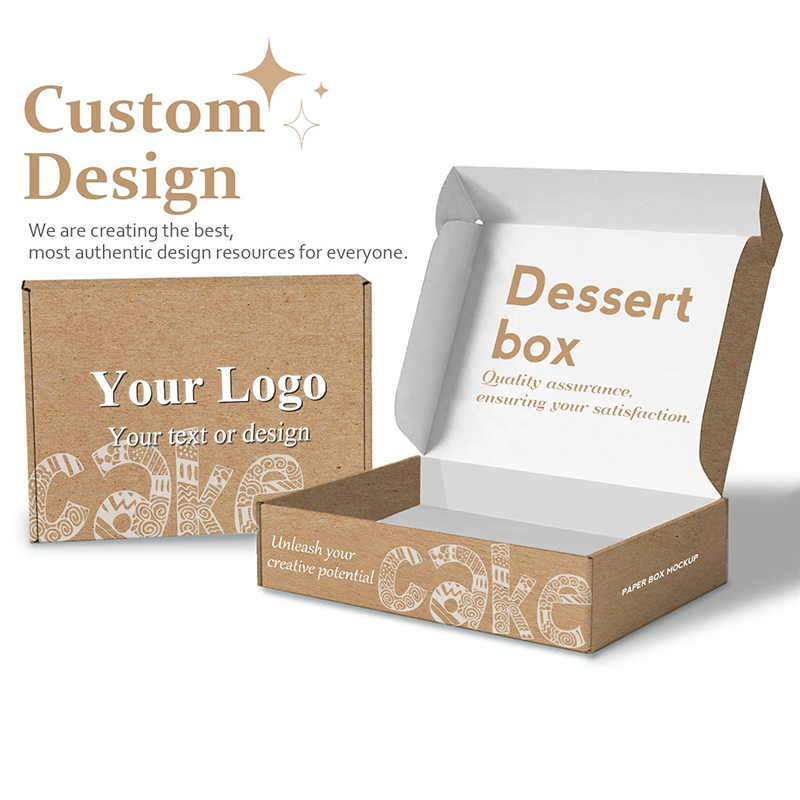
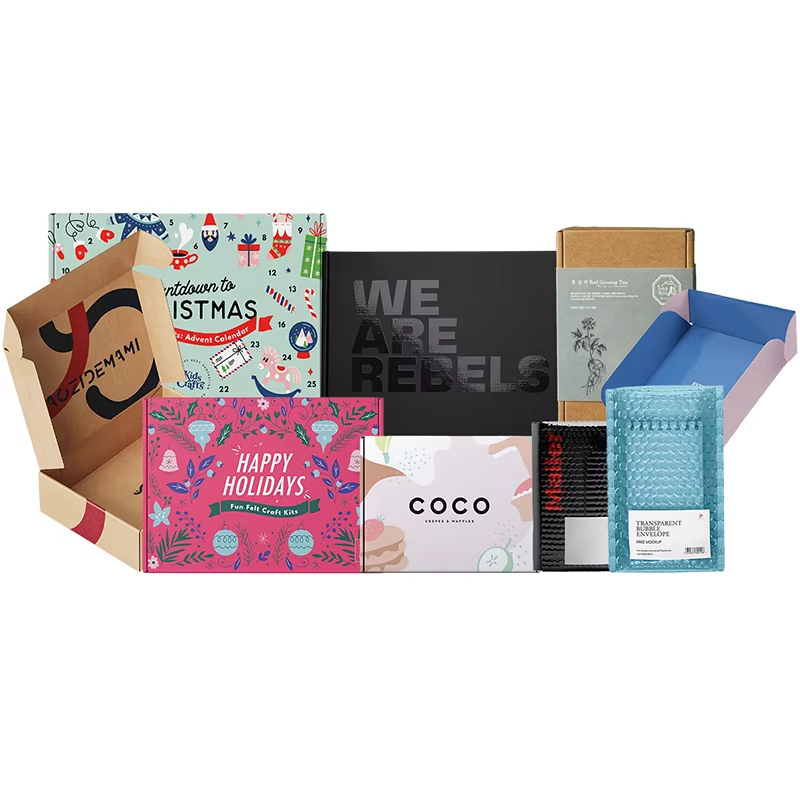
Custom corrugated boxes should be selected around the product, packing process and distribution route, not only a flute grade or box style. This guide compares practical starting formats for ecommerce fulfillment, international shipping, pizza and takeaway food, bakery products, footwear, apparel and retail goods.
For beauty and cosmetics SKUs, our custom cosmetic boxes buyer’s guide breaks down real MOQ floors, per-unit cost at 250-5,000 units and the QC checks that stop a bad run before it ships.
Need a starting recommendation? Send GV Printing your packed product dimensions, weight, quantity and destination markets through the contact form.
Quick Guide: Which Custom Corrugated Box Fits Your Industry?
The right box is not defined by flute alone. It must suit the product, packing method, sales channel and distribution route.
| Application | Common starting format | Main performance question | Typical branding priority |
|---|---|---|---|
| Ecommerce fulfillment | Corrugated mailer or regular slotted shipping carton | Can it survive handling with minimal void fill? | Memorable opening experience and clear instructions |
| International shipping | Regular slotted carton, reinforced carton or double-wall shipper | Can it support stacking, humidity and a longer distribution route? | Handling marks, SKU identification and efficient print |
| Pizza and takeaway food | Die-cut pizza box or food-service carton | Can it manage heat, steam, grease and ventilation? | Fast recognition, menu information and delivery presentation |
| Bakery and specialty food | Tray, tuck-top carton or windowed corrugated pack | Does the structure protect food without crushing or contamination? | Product visibility and seasonal branding |
| Shoes and apparel | Die-cut shoe box, hinged-lid box or shipping-ready mailer | Will it protect shape while remaining easy to open and store? | Size/SKU identification and premium unboxing |
| Retail products | Die-cut product box, display-ready pack or printed shipper | Does it protect the product and present it correctly at retail? | Color, graphics and shelf communication |
| Subscription products | Self-locking mailer with insert | Can one structure hold multiple product combinations? | Interior print, storytelling and repeat-opening experience |
Start with the application, then specify dimensions, packed weight, distribution conditions, board construction and print expectations. A box chosen only from an attractive photograph may be difficult to pack, costly to ship or too weak for the route.
Custom Shipping Boxes for Ecommerce and Fulfillment
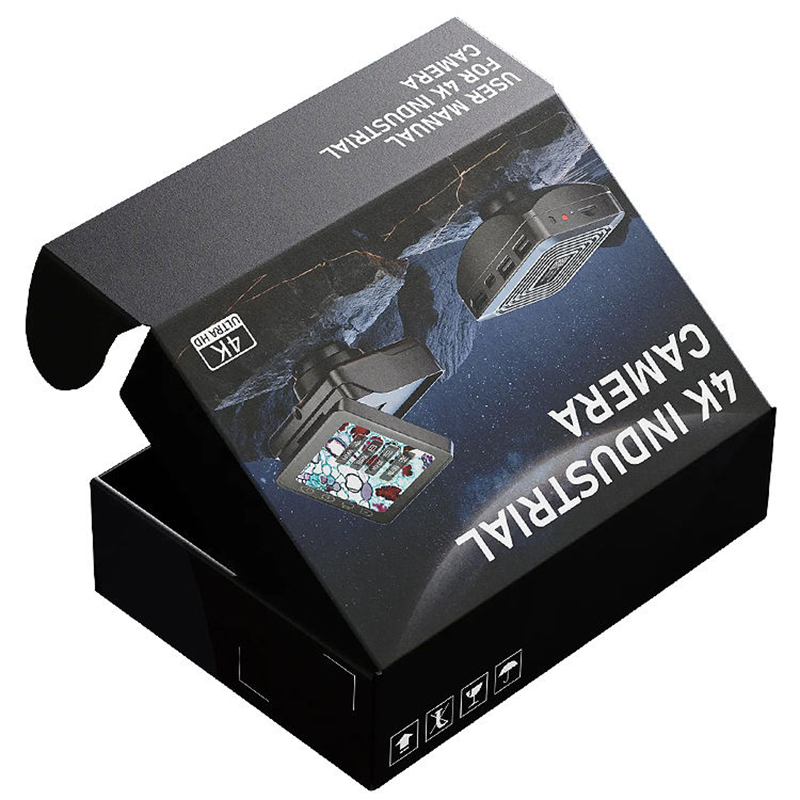
For US and European ecommerce brands, a shipping box is part transport protection and part customer experience. The structure must move through fulfillment, parcel networks and doorstep delivery without becoming unnecessarily heavy or oversized.
For EU shipments, check our PPWR labelling requirements checklist: what must appear on the pack from 12 August 2026, and what only bites in 2028 and 2030.
Two formats are common starting points:
- Regular slotted cartons (RSCs) use meeting outer flaps and are efficient for warehouses, bulk shipments and a wide range of products.
- Die-cut corrugated mailers provide a cleaner opening experience and often need less tape, making them popular for direct-to-consumer orders and subscription packs.
Customized shipping boxes should be sized around the packed product, not the product alone. Include inserts, tissue, manuals, protective wrap and any expected product-size variation. Too much empty space increases movement and dimensional shipping weight; too little clearance can slow packing or damage the product.
When comparing custom shipping options, ask:
- Is the pack shipped alone or inside an outer carton?
- Will fulfillment be manual or automated?
- How many product combinations must one box accommodate?
- Are returns expected in the same package?
- Will the surface encounter rain, condensation or abrasion?
- Which carrier or retailer limits apply to size, weight and labeling?
In the United States, buyers often communicate shipping-carton performance through dimensions, board construction and edge crush test requirements. European buyers may also use FEFCO style codes to identify standardized corrugated structures. These systems help communication, but they do not replace a product-specific performance specification.
Planning a new ecommerce pack? Send the packed product dimensions, weight, fulfillment method and destination markets before selecting a mailer or shipping carton.
Personalized Shipping Boxes and Branded Ecommerce Packaging
Personalized shipping boxes can carry more than a logo. They can show opening instructions, return information, recycling guidance, customer-support details, QR codes or campaign artwork. The best use of print depends on where the customer first sees the box.
For a parcel shipper, large areas of dark ink may reveal scuffs more easily. Small reversed text can be difficult to hold on a rough corrugated surface. Barcodes and carrier labels need flat, quiet areas away from folds and closures. Interior print may create a more controlled unboxing moment while leaving the exterior discreet.
Use personalized shipping boxes, custom shipping boxes or branded shipping boxes in customer-facing text. These phrases describe the buyer’s need clearly without forcing unnatural wording into the page.
Custom Food Packaging Boxes for Pizza, Bakery and Takeaway
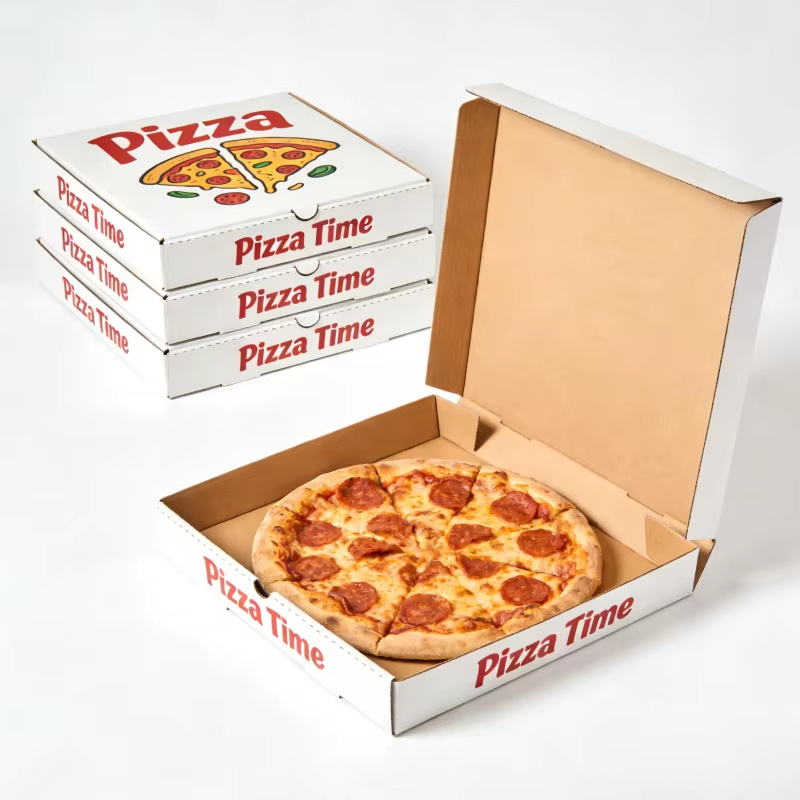
Food packaging is not one application. A hot pizza, a chilled bakery product and a shelf-ready gift set create different structural and material demands.
Custom Pizza Boxes
Custom pizza boxes must manage several competing needs:
- stiffness across a broad, shallow structure;
- resistance to grease and moisture;
- ventilation to help manage steam;
- safe stacking during delivery;
- quick manual assembly in a busy kitchen;
- print that remains presentable after handling.
The food business should tell the supplier the pizza diameter, packed weight, delivery time, stacking height, expected temperature and whether liners or food-contact barriers are used. Do not approve a pizza box only from a flat printed sample. Assemble it, load the real product or a controlled equivalent, stack it and review how the base and lid behave after exposure to heat and moisture.
Material suitability and food-contact requirements depend on the construction, coatings, inks, intended contact and destination market. US buyers can consult the FDA information on food-contact substances, while European buyers can consult the EU’s Food Contact Materials guidance. These links are general references, not legal advice or a guarantee that a particular box construction is compliant. The brand or food business must confirm the requirements that apply to its product and destination market.
Bakery, Takeaway and Specialty Food Boxes
Corrugated bakery and takeaway boxes may need windows, carrying handles, locking tabs, internal dividers or grease-resistant surfaces. A specialty-food shipping carton may prioritize cold-chain performance and compression strength instead.
Before requesting a quote, define whether the corrugated box is:
- primary packaging in direct contact with food;
- secondary packaging around a wrapped product;
- a takeaway presentation pack;
- or a shipping carton containing multiple retail units.
This distinction changes the material, testing, printing and documentation questions. It also prevents a broad “food-safe box” request from producing a quotation that does not match the actual use.
Custom Shoe Boxes and Corrugated Packaging for Apparel
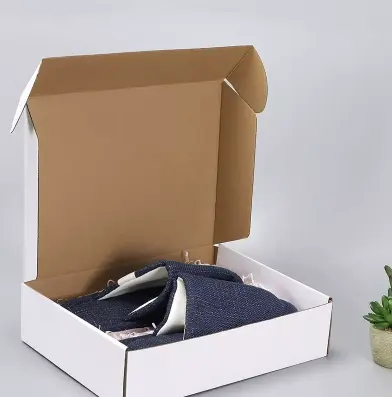
Footwear packaging must protect shape, support stacking and make size/SKU identification easy. A shoe box used only on a retail shelf has different requirements from one designed to travel through an ecommerce parcel network without an outer shipper.
Common choices include:
- a two-piece lid-and-base structure for familiar retail presentation;
- a hinged-lid die-cut box for faster opening and fewer loose components;
- a self-locking corrugated mailer for direct-to-consumer shipping;
- a retail shoe box placed inside a separate shipping carton for better presentation control.
For shoes, measure the complete pair in its intended orientation and include tissue, stuffing, accessories and any size range. A single structure may work across adjacent sizes, but excessive internal space can make small sizes look poorly packed or increase movement.
Apparel brands should also consider whether the package needs a return function. A resealable or easy-to-retape structure can improve reverse logistics, but the closure must remain secure during the first shipment.
Printed cardboard boxes for footwear often carry size labels, color codes, product photography and retail barcodes. Reserve consistent label zones and confirm whether variable SKU data is applied during box production or later in the fulfillment process.
Custom Corrugated Packaging Boxes for Retail Products
Retail products require a balance of protection, merchandising and packing efficiency. Corrugated packaging may be appropriate for larger appliances, cookware, toys, home goods, multipacks and products that need display-ready shipping formats.
Consider how the box moves through the complete channel:
- packed at the factory;
- consolidated for transport;
- received and opened by a distributor or retailer;
- displayed, stored or shipped again;
- opened by the final customer.
A shelf-facing printed carton box may need cleaner graphics and tighter die-cut registration than a brown transport carton. A display-ready pack must open cleanly without damaging the printed front panel. A heavy retail product may need internal corrugated fittings that transfer loads to stronger areas of the outer carton.
Personalized cardboard boxes should therefore be specified by function. “Premium” is subjective; measurable requirements such as opening style, print target, stacking height, packed weight, abrasion exposure and acceptable surface variation are more useful.
Is a Custom Cardboard Box the Same as a Corrugated Box?
Customers often use “cardboard box” as a broad term, but paperboard cartons and corrugated boxes are not identical.
| Construction | Typical strengths | Common applications |
|---|---|---|
| Folding paperboard carton | Smooth print surface, compact retail structure, efficient for lightweight products | Cosmetics, pharmaceuticals, food sleeves and small retail goods |
| Corrugated board box | Fluted construction, cushioning, stacking and transport performance | Shipping, ecommerce, pizza, shoes, appliances and bulk retail products |
| Rigid paperboard box | Premium presentation and dimensional stability | Gifts, jewelry, perfume and luxury sets |
Custom cardboard boxes may refer to any of these in a search query. A useful RFQ should name the intended construction or describe the application clearly. For manufacturing detail, board grades and material background, GV Printing’s corrugated cardboard packaging guide covers those fundamentals; this article stays focused on choosing boxes by industry and application.
Match Corrugated Board and Flute to the Application
Flute selection affects thickness, cushioning, print surface and stacking behavior, but a flute letter alone does not approve performance. These are starting points only — board grades and construction are explained in more depth on the existing packaging guide.
- E-flute is relatively thin and can support detailed retail presentation, mailers and smaller product boxes.
- B-flute offers a balance of cushioning, puncture resistance and stacking for many shipping and retail applications.
- C-flute is thicker and widely associated with general shipping-carton performance.
- Double-wall constructions may be considered for heavier loads or demanding distribution, subject to a validated specification.
Actual performance also depends on liner and medium weights, fiber composition, recycled content, moisture, box dimensions, score quality and manufacturing consistency. Ask the supplier to recommend a complete board construction based on packed weight and route instead of requesting “B-flute” with no other information.
For European projects, a FEFCO code can help identify the structure. For US projects, buyers may use terms such as RSC alongside dimensional and board-performance requirements. Always include a drawing or dieline when closures, inserts or display features are customized.
Custom Printed Corrugated Boxes: Choose the Print Route
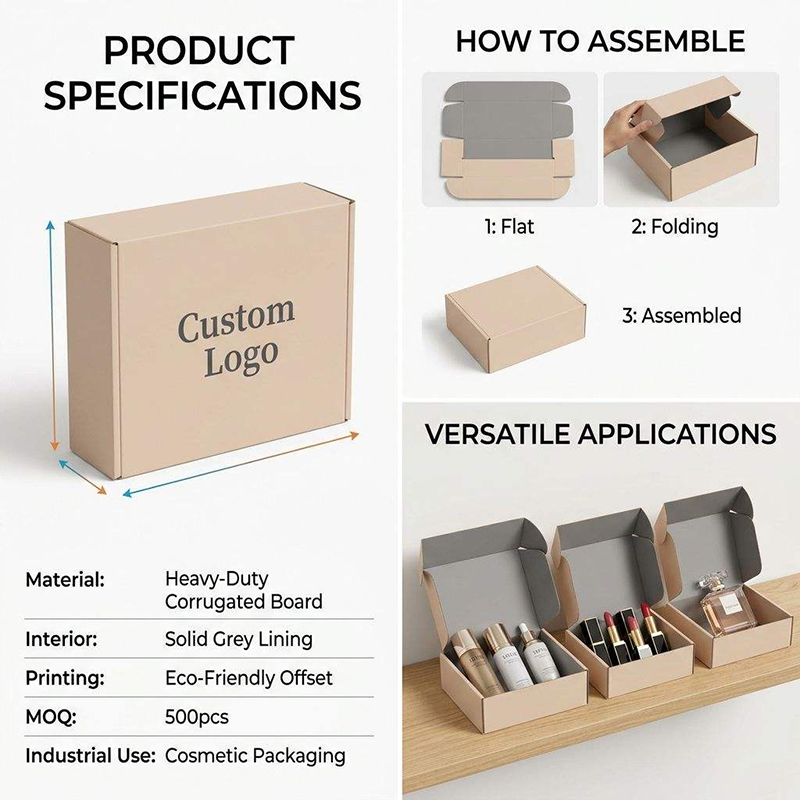
The correct printing method depends on graphics, quantity, board, budget and finish expectations.
Direct Flexographic Printing for Shipping Boxes
Flexographic printing is widely used for corrugated shipping and food-service packaging. It can be efficient for bold graphics, logos, handling information and larger production runs. Fine detail and color expectations should be agreed against the actual board and the supplier’s verified production process.
Litho-Laminated Corrugated Packaging
Litho-lamination combines a separately printed sheet with corrugated board. It may be suitable when artwork requires finer detail, tighter registration or a smoother print surface, including some retail, footwear, electronics and premium ecommerce packaging. It also adds process steps and cost, so the decision should be based on the artwork, board, quantity and appearance standard.
Digital Corrugated Printing
Digital printing can support shorter runs, multiple designs and faster artwork changes where the supplier’s equipment and board options fit the project. Buyers should still confirm color targets, coating compatibility, rub resistance and production consistency.
Whether the buyer calls the product printed cardboard boxes, personalized corrugated boxes or custom printed corrugated boxes, the quotation needs the same fundamentals: size, board, print coverage, number of designs, finish, quantity and acceptable appearance.
Comparing print options? Send representative artwork with the RFQ. A logo-only shipper and a full-color retail box should not be priced or approved from the same assumptions.
US and European Buyer Requirements to Confirm
US and European buyers often describe similar packaging in different ways. A clear specification should bridge those conventions.
| Item | US-facing RFQ | European-facing RFQ |
|---|---|---|
| Dimensions | Inches may be primary; state internal vs external dimensions | Millimeters are commonly expected; state internal vs external dimensions |
| Structure | RSC, mailer or drawing/dieline | FEFCO code where applicable, plus drawing/dieline |
| Board performance | Board grade, flute and agreed performance requirement | Board grade, flute and agreed performance requirement |
| Flexographic, digital or litho-laminated; color references | Same, with color references and language/SKU versions | |
| Sustainability claims | Evidence for any recycled, certified or recyclable claim | Evidence plus destination-market packaging requirements |
| Distribution testing | Test plan based on product and shipping channel | Test plan based on product and shipping channel |
Do not assume that a recycling statement, forest-certification logo or food-contact declaration can be copied from one market to another. Confirm the destination, claim, documentation and current customer/legal requirements before artwork approval.
For parcel or export shipments, testing should reflect the actual packed product and distribution route. ISTA publishes package-performance test procedures; the appropriate program and acceptance criteria must be agreed for the project.
What to Send for a Custom Corrugated Box Quote
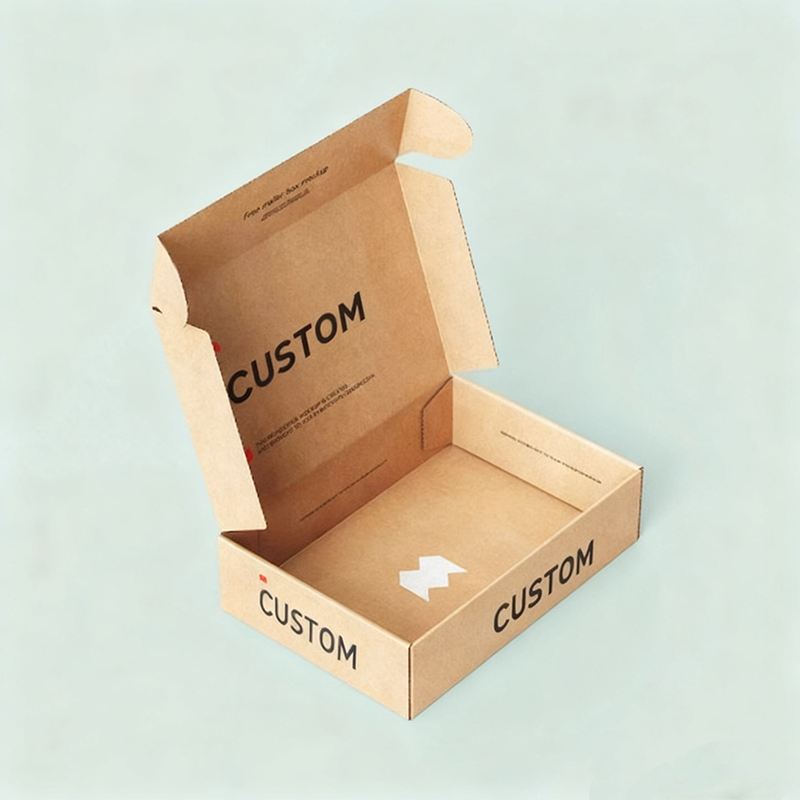
Send one controlled RFQ containing:
- product name, dimensions, tolerance and packed weight;
- box purpose: retail, pizza/takeaway, mailer, shipping, display or multipack;
- internal or external finished dimensions;
- preferred structure or dieline;
- board/flute preference, if already tested;
- print method, colors, coverage and finish;
- artwork or a representative design;
- insert, divider, window, handle or closure requirements;
- number of SKUs and quantity per SKU;
- manual or automated packing method;
- destination markets and distribution route;
- pallet, export-carton and carrier restrictions;
- sample purpose and approval deadline;
- required production and delivery dates.
The strongest quotation is not necessarily the one with the lowest unit price. Compare tooling, samples, print setup, packing, freight, quality tolerances and the assumptions behind the board recommendation.
Use the GV Printing contact form to submit the project brief. You can also review the broader custom packaging box range before choosing a structure.
Frequently Asked Questions
What is the best corrugated box for ecommerce shipping?
Weight, fragility, empty space, fulfillment method and parcel route all factor in — there’s no single default. Die-cut mailers tend to win on unboxing experience; regular slotted cartons are the more efficient pick for warehouse-heavy operations handling a wide product range. The only reliable way to choose is to pack the actual product and test it rather than select by appearance.
Are custom pizza boxes corrugated?
Many are, since fluted board gives stiffness and a degree of insulation that flat board doesn’t. The board, liner, moisture barrier, ventilation design and food-contact requirements still need to be matched to the specific product and destination market — “corrugated” alone doesn’t specify enough to approve a design.
Can a shoe box be used as its own shipping box?
Some can, if the structure was built for a parcel network from the start — closure strength, surface durability and product protection all need to be tested for that route specifically. A box designed primarily for retail-shelf presentation is more likely to need an outer shipper.
What is the difference between custom and personalized corrugated boxes?
Search behavior treats the two as near-synonyms. In a production spec, though, neither term carries enough information on its own. “Custom” tends to cover size, structure and material; “personalized” leans toward branded graphics or variable designs — but the RFQ should spell out the actual requirement rather than relying on either word.
Should dimensions be internal or external?
State the convention being used, every time. Internal dimensions confirm the product will fit; external dimensions drive palletization, storage and carrier charges. Export projects benefit from recording both wherever they affect handling.
How should brands choose between flexographic and litho-laminated print?
Flexographic print handles most shipping and food-service jobs well, especially bold graphics and larger runs. Litho-lamination becomes the better fit once artwork needs finer detail, tighter registration or a smoother finish than flexo can hold. Quantity, board, artwork and the supplier’s actual capability settle which route makes sense for a given job.
Request Custom Corrugated Boxes for Your Application
The best custom corrugated boxes are designed around a real product and distribution route. An ecommerce mailer, international shipping carton, pizza box and shoe box should not share one generic specification simply because all use corrugated board.
Send GV Printing the product dimensions, packed weight, box purpose, destination, quantity, artwork and delivery plan. State whether the priority is shipping protection, food-service performance, retail presentation, unboxing or a combination of these requirements.