
Send Your Inquiry Today
Packaging Sample Approval Process: Folding Carton Checklist Before Mass Production
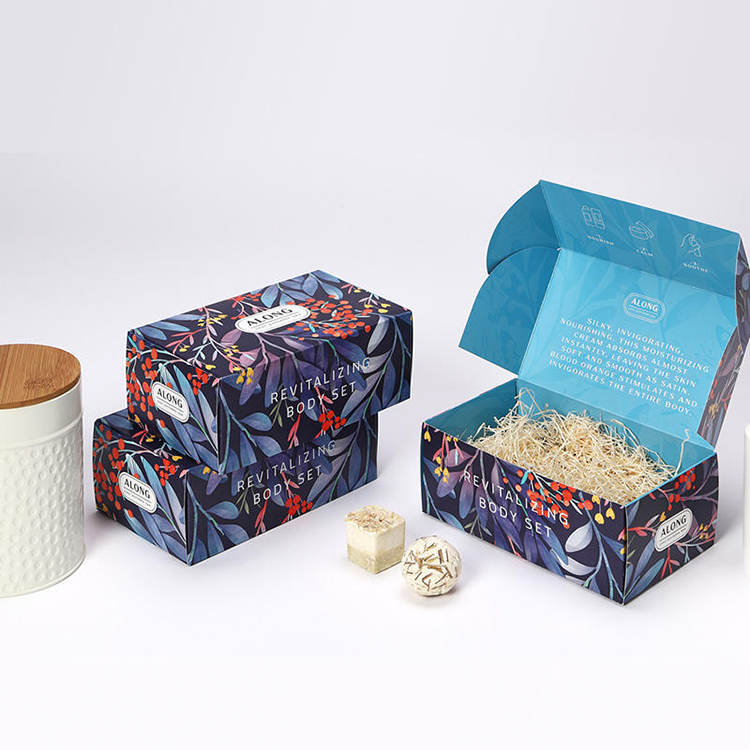
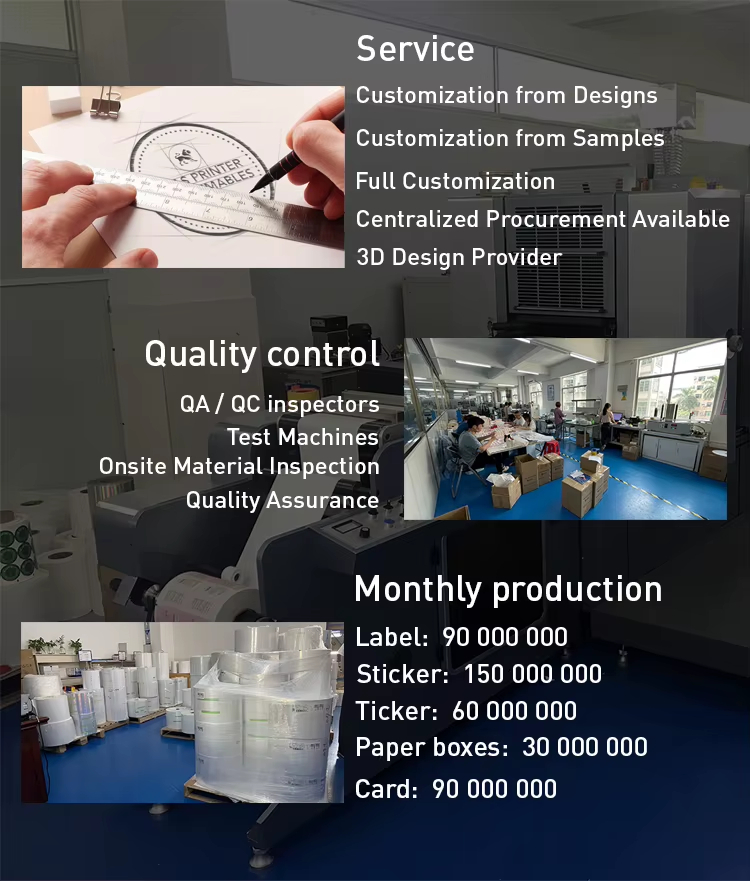
Packaging Sample Approval: The 8-Point Quick Check
Before reading the detailed notes, use this sequence. Mark each item Pass, Correction Required or Not Applicable:
- [ ] Specification: The sample matches the latest dieline, artwork revision, size, board and finish specification.
- [ ] Structure: Scores, tabs, glue seams, locks and flaps work after repeated folding.
- [ ] Product fit: The real product, accessories and expected size variation fit without force or damaging movement.
- [ ] Material: Board grade, thickness, stiffness, surface and any certification documents match the order.
- [ ] Artwork and print: Copy, panel orientation, color target, registration and fine text are approved.
- [ ] Finishes: Foil, coating, embossing, lamination, windows and score-line performance are checked at the edges.
- [ ] Codes: The finished barcode or QR code scans in the intended workflow.
- [ ] Packing and record: The carton works in the planned packing method and the final sample, deviations and signatures are retained.
Need a printable version for a purchasing or quality team? Ask GV Printing for a project-specific approval checklist after the factory confirms the sample fields and workflow.
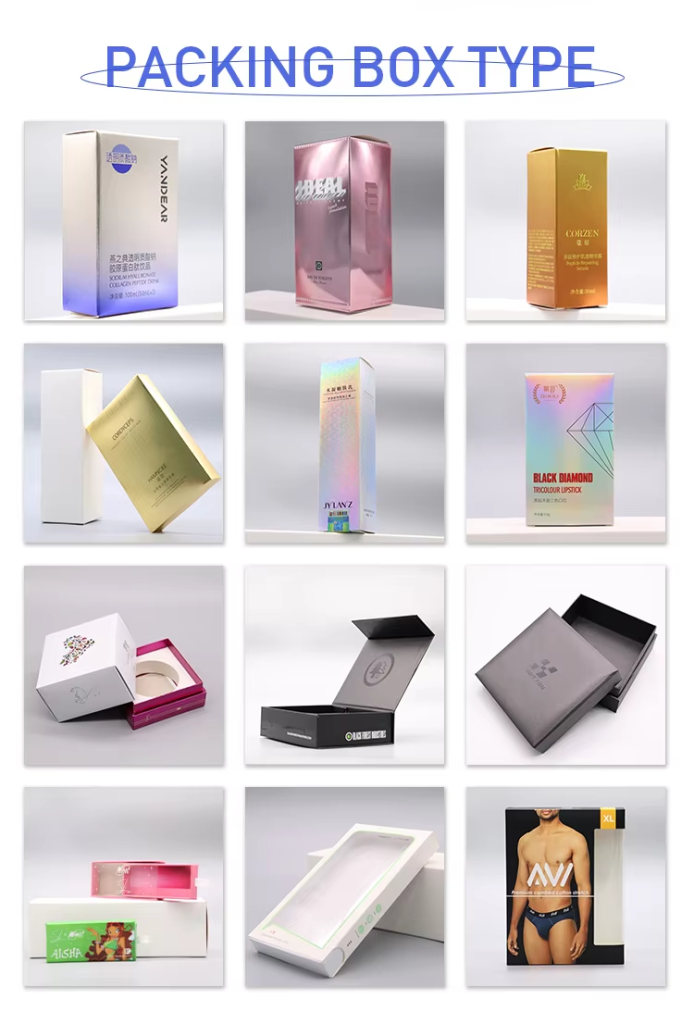
Packaging Sample Approval Process for Folding Cartons
A folding carton sample should answer one decision: is this controlled packaging specification ready for mass production?
If your buyer is asking for FSC-certified board, read our EUDR-ready buyer’s guide to custom packaging boxes — it separates what the regulation actually requires from what a certificate can and cannot promise.
Artwork alone cannot answer it. A carton can look correct on screen and still be too tight for the product, weak at the locking tabs, inconsistent with the color target or unsuitable for a packing line. The process below separates what each sample can prove from what still needs a physical or production test.
1. Identify the Sample Before Inspecting It
Ask the supplier to name the sample type and list the production specifications it represents. “Sample” may mean very different evidence:
| Sample type | Can help verify | Does not fully prove |
|---|---|---|
| Digital artwork proof | Copy, layout, dieline position and revision control | Physical fit, board behavior, exact production color or finish |
| Unprinted structural prototype | Size, product fit, closure, tabs and insert position | Print, foil, coatings or final color |
| Digitally printed mock-up | Appearance, content position and early presentation | Exact offset/flexographic color, final board behavior or every finish |
| Material or finish swatch | Board feel, coating, foil, texture or embossing reference | The combined carton structure and production result |
| Printed pre-production sample | Agreed structure, material, print and selected finishes | Full-run consistency without a tolerance and QC plan |
| Press proof or pilot run | Production color, registration and process performance | Every unit in the final order |
Do not use a digital mock-up to approve a critical spot color or an unprinted sample to approve foil registration. If one sample cannot represent every requirement, approve the project in stages and retain each reference.
2. Match the Sample to One Controlled Specification
Place the physical sample beside the latest dieline, artwork and quotation. Confirm that all documents carry the same revision number or approval date. Check:
- finished length, width and depth;
- carton style, closure and grain direction if specified;
- board grade and thickness;
- print process and color references;
- coating, lamination, foil, embossing, debossing and spot-UV areas;
- window, insert or divider position;
- barcode, QR, batch and variable-data zones;
- packing quantity and delivery format.
Measure the carton in the state defined by the specification: flat, erected or internal dimensions are not interchangeable. Record the measured result rather than writing “looks right.” If the quotation, artwork and sample conflict, stop approval until one specification is controlled.
For a wider procurement risk framework, link this review with How to Reduce Risks When Customizing Paper Box Packaging.
3. Test Fit With the Real Product
Use the production product whenever possible. Insert and remove it several times, then check:
- packing without force or excessive clearance;
- intended orientation and shelf presentation;
- protection for corners, caps, pumps or dispensers;
- insert retention and leaflet/label clearance;
- movement when the closed carton is gently handled;
- opening without product damage.
Test units near the high and low ends of the product tolerance when dimensions vary. For food, include liners or sachets; for electronics, include cables, manuals and accessories. Record the product version and measured unit used so the result can be repeated.
Need help checking fit or structure? Send the product dimensions, tolerance and intended carton style with the sample request so the review is based on the actual pack, not an idealized drawing.
4. Fold, Lock and Assemble the Carton
Assemble the sample using the planned method: manual packing, semi-automatic equipment or an automatic cartoner. Inspect:
- score direction, cracking and whitening;
- tuck flaps, locking tabs and glue seams;
- dust flaps, bottom-lock or auto-lock performance;
- lid alignment and closure tension;
- window attachment and insert retention;
- squareness after erection and any tendency to spring open.
Fold every crease that will be used. A flat sample can hide cracked ink, split coating or excessive folding resistance. Mark defects on the sample or a photograph. “Does not close well” is less actionable than “right dust flap contacts the cap and prevents the top tuck from seating.”
Sharp corners, narrow tabs and small slots can create die-cutting and stripping problems. If the sample tears, crushes or locks unreliably, the fix may be structural rather than cosmetic.
5. Confirm Board and Surface
The sample should use the agreed paperboard or be clearly marked as a structural substitute. Compare board name, grade, caliper or grammage and surface finish with the quotation. Review stiffness, resistance to bowing, smoothness, front/reverse color, odor where relevant, cleanliness, delamination, warping and compatibility with folding, gluing and finishes.
Similar grammage does not mean identical performance. Fiber composition, thickness, coating and stiffness affect folding and packing. For the standardized methods used to test these properties (grammage, caliper, compression strength), see TAPPI’s paperboard test standards overview.
A physical sample also cannot prove recycled content, chain of custody or food-contact compliance; request the appropriate documents separately. For U.S. food-contact requirements specifically, see the FDA’s Packaging & Food Contact Substances program.
See GV Printing’s custom packaging box category for the product scope, then confirm the exact board specification for the project.
6. Review Copy, Color and Finishes as Separate Approvals
Content
Compare every panel with the approved artwork. Verify brand and product names, ingredients or warnings supplied by the customer, legal/company information, language versions, panel orientation, authorized marks, code content and clear areas around barcodes. The brand owner remains responsible for regulated copy; the printer should not make legal decisions for food, cosmetics or pharmaceuticals.
Print and color
Use consistent lighting and compare against the agreed target, not a phone screen or unrelated printed piece. Check solid coverage, fine and reversed text, image sharpness, registration, banding, mottling, set-off and print across folds and glue areas. State whether the sample is position only, visual reference or a binding production color target. For offset color process-control parameters, ISO 12647-2:2013 provides the applicable industry framework.
Finishes
Inspect foil, spot UV, embossing, debossing, lamination and window film at edges, score lines and registration boundaries. Look for pinholes, lifting, bubbles, scratches, coating cracks and scuffing. Open and close the carton several times; a finish that looks correct flat may fail after folding.
Want a second review before approval? Share the artwork revision, board, finish list and photographs of the sample with GV Printing so the open points can be consolidated into one correction record.

7. Test Packing and Coding in the Intended Workflow
A desk review does not approve production-line performance. For manual packing, record erection time, force, orientation errors, tab failures, product scuffing and stack consistency. For automatic or semi-automatic packing, confirm blank squareness, opening force, glue-seam position, magazine loading, coding area, sensor requirements and acceptable curl or warp.
One hand-assembled carton cannot approve a machine. Agree on a pilot quantity and test protocol when line performance is critical. Then scan the finished barcode or QR code with the device and lighting used in the real workflow. Confirm the returned information and keep the result with the sample record. Use GS1 barcode standards for applicable retail and supply-chain requirements.
8. Check Shipping Presentation and Retain the Approval Record
Confirm bundles, export-carton quantity, interleaving, moisture protection, SKU labels, pallet requirements, gross weight and shipping-carton dimensions. If transit protection is critical, agree on a distribution test; ISTA publishes transport-performance procedures.
Retain the signed physical standard and record:
| Field | Record |
|---|---|
| Project/SKU and revision | Customer, product, artwork version and date |
| Sample type and material | Proof type, board, caliper/grammage and finish |
| Measured dimensions | Specification, measured result and tolerance |
| Functional checks | Fit, assembly, closure, packing-line and scan results |
| Approved deviations | Every accepted difference from the original specification |
| Corrections and owner | Exact change, responsible party and resample requirement |
| Decision and authorization | Approved, approved with corrections or rejected; name, role, signature and date |
Photograph every side, but do not use photographs as a complete substitute for a physical color, texture or stiffness standard.
Approval Decision: Pass, Correct or Resample
- Approve: The sample represents the controlled production specification and no changes remain.
- Approve with listed corrections: Only objective, low-risk corrections remain, with a revised proof required where appropriate.
- Reject and resample: Any change affects structure, material, fit, adhesive, color target, finish, barcode performance or packing-line behavior.
Consolidate corrections into one revision-controlled approval record. Do not authorize production from conflicting email threads, messaging apps and marked files.
Common Mistakes
- Approving final color from an on-screen PDF.
- Testing an empty carton instead of the real product and accessories.
- Checking the carton flat but never folding it.
- Testing one ideal product when dimensions vary.
- Ignoring the packing-line method.
- Failing to scan the printed barcode or QR code.
- Accepting an unrecorded material substitution.
- Changing artwork after structural approval without checking panel position.
- Using subjective comments without a physical reference.
- Approving through scattered messages without a final revision number.
What to Send With a Sample Request
Send the product or accurate dimensions and tolerance, carton style and finished size, editable artwork and dieline, board and finish requirements, quantity/SKUs, packing method, code requirements, destination market, customer-supplied copy, sample purpose and deadlines.
For a new structure, start with an unprinted prototype. After fit and function are approved, move to the appropriate printed sample. This staged packaging sample approval process prevents finishing work from being applied to a structure that still needs revision.
Frequently Asked Questions
Is a digital proof enough to approve mass production?
It can approve copy, layout and basic position, but not product fit, board behavior, exact production color, finish quality or packing-line performance.
Should the sample use final paperboard?
Yes when stiffness, folding, appearance or packing performance matters. A substitute must be identified clearly and replaced with a final-material sample when necessary.
How many products should be tested?
Use enough units to represent dimensional variation and the real packing method. The buyer and supplier should agree on the sample size for high-risk or machine-packed projects.
Can one sample guarantee every production carton will match?
No. The sample defines the approved target; the purchase specification and quality plan define tolerances and inspection.
Do small artwork changes require another physical sample?
Not always. A controlled text correction may need only a revised proof. Changes to color, structure, finish, code position or production process may require another physical sample.
Request a Folding Carton Sample From GV Printing
A useful sample is a controlled production reference, not just a miniature presentation box. Send the product dimensions or product sample, dieline, artwork, board, finishes, order quantity, packing method and target date. State whether the sample must approve structure, fit, color, finish, machine use or the complete specification.
Use the GV Printing contact form. For the manufacturing context after approval, see How Custom Printed Packaging Boxes Are Made and Choose Custom Packaging Boxes.
Buyer Questions Before Approving Folding Carton Samples
A sample is a production decision, not just a visual proof. Check dimensions, color, fit, inserts, barcode grading and finishing on the exact board intended for mass production.
What information should be included in the quote?
Provide finished size, material, quantity, artwork status, application surface, destination and required delivery date. For security products, also specify the verification method and whether serialized data is needed.
How are MOQ, price and lead time determined?
Quantity, print process, tooling, finishes, testing and freight all affect the total. Approving artwork and material early is the fastest way to protect the requested ship date.
Can you supply samples and help with compliance?
Request a physical pre-production sample on the intended substrate. Confirm applicable food-contact, recycling, barcode or market requirements for the US and EU before mass production.
Related Guides
- Custom Box Types Explained — folding carton vs corrugated vs rigid vs mailer — the structural decision that precedes sampling.
- Custom Packaging Box Manufacturer Guide — capabilities, MOQ and compliance documentation to request alongside your golden sample.
- Custom Packaging Boxes Printing Guide — the printing process behind your sample: presses, color management, and finishes.
- Corrugated Cardboard Boxes Guide — flute types, ECT/BCT grades and the engineering stamps you will see on sample boxes.
Golden Sample and Sampling Timeline Questions
What is a golden sample and why does it matter?
A golden sample is the physically approved reference — signed by buyer and factory — that mass production must match for color, material, structure, and finish. When a dispute arises (colors drifted, board substituted), the golden sample is the objective standard. Keep one sealed copy and let the factory keep one; re-approve a new golden sample whenever any specification changes.
How long does sampling take before mass production?
Structural samples and printed proofs typically take 3–7 working days; add several more when the dieline or structural design is new and tooling must be cut. After golden-sample approval, mass production runs 10–15 working days, then shipping time. The most common schedule-killer is approving a sample while artwork is still changing — lock artwork first, then sample.
What should I check on a folding carton sample before approving?
Work the checklist: caliper and board grade against spec, color match against the approved proof under neutral light, registration of print to dieline, crease quality (clean folds, no cracking at scores), die-cut accuracy on critical dimensions with the product trial-fitted, and finish adhesion (tape test on foil and lamination). Each line is a production argument you will never need to have if it is verified at sample stage.