
Send Your Inquiry Today
How to Choose a Custom Packaging Manufacturer: 12-Point Supplier Checklist

Packaging is usually the first physical thing a customer touches before the product itself. They see the box, feel the material, notice how the print sits on the surface — and within a few seconds they’ve already formed an opinion about whether your brand is premium, cheap, careless, or thoughtful. In crowded markets across North America and Europe, that split-second judgment matters more than most brands realize.
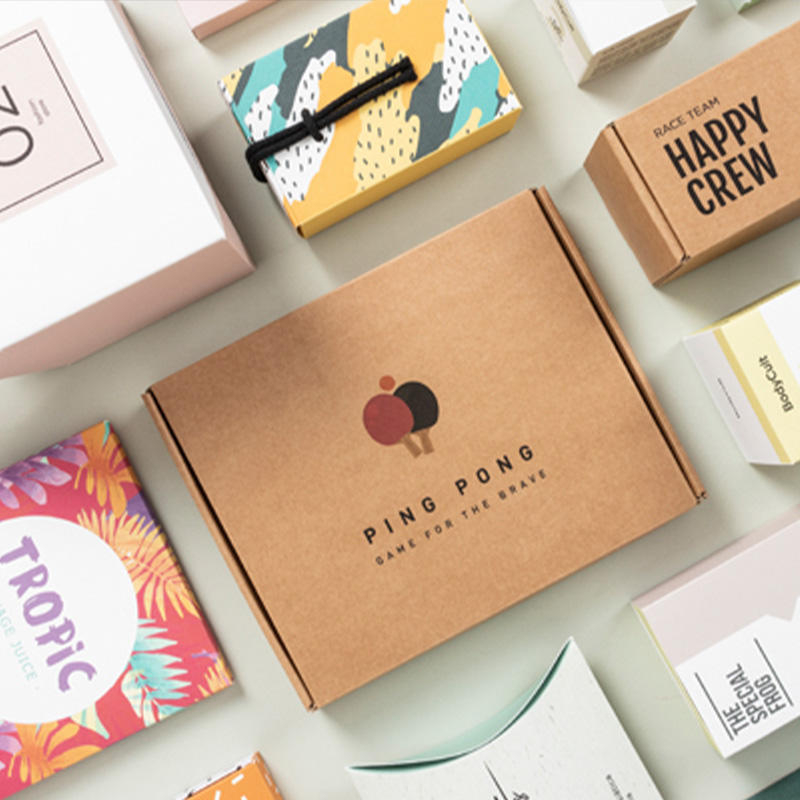
So the choice of custom packaging manufacturer isn’t a small operational detail. The right partner turns a rough idea into something that actually ships well, looks right, and holds up at scale. The wrong one costs you time, money, and — worse — customer trust, through late deliveries, off-brand colors, or boxes that fall apart in transit.
This guide walks through how to actually vet a packaging partner, whether you’re sourcing custom packaging wholesale for an established line, moving your food packaging to a new supplier, or trying to get retail-ready paper boxes for the first time.
Why the Manufacturer You Pick Actually Matters
Producing a box sounds simple until you’re the one doing it. A good manufacturer brings real knowledge of materials, print processes, structural engineering, compliance rules, and logistics — and that knowledge is what keeps small mistakes from becoming expensive ones.
Packaging Is Doing More Work Than You Think
Look at cosmetics, food, or anything sold online: the packaging is doing brand-building work whether you planned for it or not. A well-constructed box makes an average product feel worth the price. A flimsy one undercuts even genuinely good products.
That effect is amplified for e-commerce brands. Nobody’s picking your product off a shelf — the unboxing moment is the shelf. A box that arrives crushed, too loose, or thin enough to bend in shipping tells the customer something about you before they’ve even opened it.
In markets where shoppers are comparing five brands in five open tabs, packaging is one of the few places you can differentiate without cutting your price.
A Strong Partner Absorbs Risk You Don’t Want to Carry
Every packaging project has a dozen places it can go sideways: paper weight, coating, color drift between the sample and the bulk run, unclear artwork files, material shortages, wrong specs. A supplier who’s done this before will catch these before they become your problem — not after the truck has left the factory.
The failure modes tend to repeat themselves: the sample looks great but the bulk run doesn’t match it in color; the box structure can’t actually support the product’s weight; a shipment gets delayed because the artwork wasn’t print-ready; a costing error surfaces mid-production; the materials don’t meet food or cosmetic compliance rules; or quality simply drifts across repeat orders.
A manufacturer worth working with asks pointed questions up front, tells you plainly what’s realistic, and gets a sample confirmed before committing to a full run.
Get Clear on What You Need Before You Reach Out
You don’t need a finished spec sheet to start a conversation with a supplier — but the more you can tell them up front, the more useful (and accurate) their quote will be.
Start with the Product, Not the Box
A candle box, a chocolate box, a supplement carton, and an e-commerce mailer all solve different problems. Before anything else, figure out what job the packaging needs to do. Is it built to survive shipping, to sell on a shelf, to feel special as a gift, or all three at once? Will someone open it at home, at a pop-up, or in a store aisle?
If you’re making food, you want a food packaging manufacturer who already understands grease resistance, moisture barriers, and labeling rules — not one learning on your dime. If you’re in beauty, a cosmetic packaging manufacturer who knows how to hit exact brand colors and produce clean rigid boxes matters more than one who’s cheapest. And if folding cartons, paper bags, or corrugated mailers are really all you need, a dedicated paper packaging manufacturer is often the more efficient fit than a full-service factory.
Nail Down Size, Structure, and Material Early
Fit matters more than people expect. Oversized boxes waste material and inflate shipping costs; undersized ones crush the product or make opening it feel clumsy. Have your product’s dimensions and weight ready before you request a quote — and if there are multiple components (a bottle, a jar, a brush, an insert card), know how they’re meant to sit together.
Structurally, you’re usually choosing among folding cartons, rigid boxes, drawer boxes, mailer boxes, sleeve boxes, paper tubes, paper bags, or corrugated shippers — each with its own cost, lead time, and unboxing feel. Materials range from kraft paper and white cardboard to corrugated stock, coated paper, recycled paper, specialty stocks, and rigid greyboard. What’s “best” here really depends on your product’s weight, your brand’s positioning, and how much sustainability messaging you want to back up.
Decide How Much Printing You Actually Need
Most brands need at least basic branding on the box — a logo, if nothing else. Custom printed packaging boxes can carry a lot more than that, though: brand colors, ingredient or usage info, QR codes, certification marks, barcodes.
Printing complexity drives both cost and timeline. A single-color kraft box is cheap and fast. Add full-color art, foil stamping, and embossing, and both the price and the lead time climb — but for beauty or gift products, that extra polish can be the difference that sells the item. Matte or gloss lamination, soft-touch coating, foil stamping, embossing, debossing, spot UV, and varnish are all common tools here. The trick is restraint: the best packaging usually looks deliberate, not maximalist.
Look for Real Experience in Your Specific Category
Not every factory that makes boxes should be making your boxes. A shop that specializes in shipping cartons probably isn’t the right call for a luxury skincare launch, and a gift-packaging house may not know the first thing about food-contact compliance.
If You’re Shipping Food
Food packaging has to hold up to more scrutiny than most categories — grease resistance, moisture control, freezer compatibility, recyclability, sometimes direct food contact. If you’re selling into the US, the EU, or the UK, you’re also likely dealing with documentation requirements tied to food-contact safety (the FDA’s guidance on food-contact substances (external link) is a useful starting reference for the US market).
A capable food packaging manufacturer should be able to walk you through which materials suit your specific product — and should understand that food packaging has to juggle safety, shelf life, and branding all at once, not just one of the three. If your product sits inside an inner pouch or wrapper before it goes into the outer box, ask specifically what requirements apply to each layer; they’re not always the same.
If You’re Shipping Cosmetics
Beauty packaging lives or dies on the visual details — color accuracy, crisp printing, clean edges, inserts that actually hold the product in place. A cosmetic packaging manufacturer worth hiring should be comfortable producing for bottles, jars, tubes, palettes, and multi-item sets, and should be able to recommend inserts (paperboard, molded pulp, EVA) that match both your sustainability goals and your budget.
Because cosmetics packaging ends up in photos and unboxing videos as much as on a shelf, sample review deserves real attention — check it under a couple of different lighting setups and hold it against your actual brand guidelines, not just your memory of them.
If Paper Is Really What You Need
For a lot of brands, paper hits the sweet spot of cost, flexibility, and print quality. A good paper packaging manufacturer covers folding cartons, mailer boxes, rigid boxes, bags, sleeves, hang tags, and inserts, and tends to be the natural choice if reducing plastic is part of your pitch.
When you’re vetting one, ask specifically about paper weight, board thickness, recycled content percentage, coating options, and how their presses handle fine detail. A good supplier steers you toward the material that actually fits your design and your product’s physical demands — not just whatever they have the most of in stock.
Check What They Can Actually Do, Start to Finish
A manufacturer worth committing to should be able to carry your project from concept through delivery — structural design, artwork prep, sampling, printing, finishing, inspection, and shipping.
OEM Services, If You Need Full Customization
If you need packaging built entirely around your own specs, look for an OEM packaging manufacturer — one that will produce to your artwork, structure, material choice, and branding rather than offering you a catalog of stock boxes. This route suits private-label brands, new product launches, retail packaging, and subscription boxes especially well, and a good OEM partner will support you through repeat orders as the line grows.
Ask directly whether they can work from your existing dieline or build one from scratch. If you already have packaging from a previous supplier, sending a physical sample for reference speeds things up considerably.
Sampling Is Not Optional
Real production work starts before the first bulk run — the manufacturer should help lock in the dieline, material, printing method, and finish, and flag anything in your artwork that isn’t print-ready yet.
Sampling itself comes in stages. A blank structural sample confirms fit and size. A digitally printed sample shows the general design direction. A pre-production sample is the closest thing to what you’ll actually receive at scale, and it’s the one to scrutinize hardest for color, material, and finish. Skipping this step on anything new or complex is a false economy — fixing a sample costs a fraction of what it costs to fix five thousand finished boxes.
Printing and Finishing Capability
What a factory can print directly shapes what your final packaging looks like. Offset printing tends to win for larger, high-quality paper runs; digital printing is often the more sensible choice for smaller batches or samples; flexographic and screen printing show up depending on the substrate and volume.
Finishing is where packaging goes from functional to memorable — foil stamping for a logo, embossing for texture, spot UV for contrast against a matte surface, soft-touch lamination for that premium hand-feel. Just know that every finish adds cost, and some reduce recyclability. If sustainability is core to your brand, strong paper stock and confident typography often beat heavy lamination anyway.
Don’t Skip Material Quality and Certifications
Sustainability isn’t a fringe concern anymore — shoppers across the US, Canada, the UK, and Europe are actively looking for recyclable or plastic-reduced packaging, and some retailers now require it outright.
Why FSC Certification Is Worth Asking About
If sustainability plays any role in your brand story, look for an FSC certified packaging supplier. FSC certification (external link) confirms the paper comes from responsibly managed forests through a verified supply chain — which matters both for customer trust and, increasingly, for retail compliance in Western markets.
Ask directly whether the supplier can source FSC-certified paper and whether they’re authorized to print the FSC mark on your packaging — using that logo correctly requires proper chain-of-custody handling, so it’s worth settling early rather than at the last minute.
The Range of Eco-Friendly Options
Sustainable packaging isn’t one material — it’s a spectrum: FSC paper, recycled paper, kraft paper, molded pulp, recyclable paperboard, biodegradable stock, water- or soy-based inks. Kraft tends to suit natural skincare or organic food; white paperboard reads more premium for cosmetics or wellness products; recycled paper appeals to eco-conscious buyers but can print slightly differently than virgin stock.
One caution: vague language like “eco-friendly” doesn’t hold up well with Western audiences anymore. Specifics land better — “FSC-certified paper,” “recyclable paperboard,” “plastic-free outer packaging” — and only if you can actually back the claim up.
Get the Paperwork, Not Just the Promise
A supplier worth trusting should hand over documentation without you having to push for it — FSC certificates, material specs, food-contact reports, recycled-content data. Ask for these early, especially if you need them for retail approval, customs clearance, or marketing claims. Chasing them down after the order ships is the wrong order of operations.
Local vs. Overseas: Weighing the Trade-Offs
Plenty of brands end up choosing between a domestic supplier and an overseas one, and there’s no universally right answer — it depends on timeline, order size, and budget.
The Case for a Local Supplier
Working locally usually means easier communication, faster sample turnaround, and a supplier who already understands your domestic market’s expectations. For urgent or very small runs, that convenience counts for something.
The trade-off tends to be higher unit costs, fewer finishing options, and sometimes limited capacity. It’s also worth asking directly whether a “local” supplier actually manufactures in-house or brokers the work overseas — that distinction changes a lot about lead time and quality control.
Why Brands Turn to a Custom Packaging Manufacturer in China
A lot of growing brands end up working with a custom packaging manufacturer China-based, largely because the supply chain there is mature, pricing is competitive, and factories can typically produce paper boxes, rigid boxes, mailer boxes, and food or cosmetic packaging at real wholesale volume — often all from one supplier.
It makes the most sense once your order size is large enough to justify international freight, or when you need several packaging components (boxes, bags, inserts, sleeves, printed labels) bundled from a single source. The real friction points are communication, sample lead time, shipping time, and quality control — all manageable with a supplier who has genuine export experience and a structured approval process.
What to Confirm Before You Import
If you’re importing, pin down shipping terms early — ask whether the quote is EXW, FOB, CIF, or DDP, and make sure you know exactly what’s included in that number. Factor in customs duties, cartons, palletization, lead time, and warehouse space; packaging takes up more volume than people expect, even when it’s light.
For larger orders, a third-party inspection is often worth the cost. At the very least, ask for production photos, packing details, and quality records before the shipment leaves the factory.
Pricing, MOQ, and When Wholesale Makes Sense
Price matters, obviously — but the cheapest quote is rarely the smartest decision on its own. Cost is a function of material, size, structure, printing, finishing, labor, quantity, and freight, all at once.
What’s Actually Driving the Cost
A basic one-color folding carton and a rigid gift box with magnetic closure, foam insert, foil stamping, and soft-touch lamination are not remotely comparable in price — the number of print colors, paper thickness, structural complexity, and finishing steps all stack up.
Volume matters just as much. Setup costs get spread thinner across bigger runs, which is why quotes usually show tiered pricing at, say, 500, 1,000, 3,000, 5,000, and 10,000 units. When you’re comparing quotes across suppliers, make sure the specs actually match — a lower price often hides thinner paper, weaker print quality, or fewer finishing steps than the quote next to it.
When Wholesale Pays Off
Custom packaging wholesale makes sense once you have steady sales volume — it drops unit cost meaningfully for established lines, retail distribution, subscriptions, or seasonal runs. The cost is upfront cash and storage space, so it’s worth holding off on large wholesale orders if your design, ingredients list, or branding might still change. A smart middle path for growing brands: order a moderate quantity first, confirm the packaging performs, then scale up once it’s proven.
If You’re a Small Brand, Say So
Smaller businesses often need genuinely professional packaging without being ready for a factory’s standard MOQ. A good packaging manufacturer for small business should meet you there with practical options instead of upselling complexity you don’t need — simpler structures, standard stocks, fewer finishing steps, and more flexible order sizes.
A clean kraft mailer with single-color print can look completely at home for a natural-goods brand. A well-typeset folding carton can carry a supplement or skincare line just fine without a single foil-stamped accent. Good design and the right material choice usually do more work than expensive decoration ever will.
Actually Check the Samples and QC Process
Even a supplier that looks professional on paper needs to prove it in a physical sample before you commit real money to a bulk run.
What to Actually Look For
Go past the first glance. Check the fold lines, the glue strength, the surface finish, how the printing holds up under light, and whether the product actually fits the way it should. Put the real product inside, shake it the way a courier would, open and close it a few times.
For color, compare the sample directly against your brand’s approved standards — screen colors and printed colors rarely match perfectly, so if color accuracy matters to you, hand over Pantone references and ask specifically how the factory manages color consistency across a print run.
Lock Specs in Writing Before Production Starts
Before anything goes into mass production, get every spec confirmed in writing — size, material, thickness, print colors, finish, quantity, packing method, sample approval, delivery date. Ask how the factory checks color, dimensions, structure, glue, and print defects during the run, and for high-value or large orders, consider paying for a pre-shipment inspection. It’s a small cost against catching a real problem before it leaves the factory.
Communication Tells You Almost Everything
How a supplier communicates during the quoting stage is often the clearest signal of how the whole project will go.
A Good Supplier Asks Questions, Not Just Quotes a Price
A custom packaging supplier worth working with responds with real questions about your product size, quantity, materials, printing, target market, and timeline — not just a number. They should also be willing to tell you the trade-offs directly: this finish adds real cost, this paper is too thin to protect your product, this structure would cut your shipping volume in half.
Good communication isn’t agreeing with everything you ask for. It’s telling you what actually works.
Full-Service Support Is Worth Paying For
The best manufacturers cover the whole arc — design review, dieline setup, material selection, sampling, production, inspection, and shipping coordination — which matters a lot if you’re running a small team and don’t want to manage five separate vendors. For anything crossing borders, real export experience counts too: proper freight packing, correct commercial documents, and a working relationship with freight forwarders.
Questions Worth Asking Before You Commit
- What types of packaging do you specialize in?
- Do you have direct experience in my industry?
- Are you set up as a food, cosmetic, or paper packaging manufacturer specifically?
- What’s your MOQ, and do you offer wholesale pricing tiers?
- Can you supply FSC-certified materials, and are you an authorized FSC supplier?
- Do you offer OEM services, and can you build a dieline from scratch?
- What sample types do you offer, and how long does sampling take?
- What’s your production lead time after sample approval?
- How do you control color consistency across a print run?
- What quality checks happen before shipment?
- Can you coordinate shipping with our freight forwarder?
- How do you handle defects if something goes wrong?
A supplier confident in their process will answer all of these directly, without dodging.
Mistakes That Keep Coming Up
Chasing the lowest price. It’s tempting, but it usually shows up later as thin material, weak glue, off colors, or missed delivery dates. Compare value — material quality, communication, sample accuracy, and after-sales support — not just the number at the bottom of the quote.
Skipping the sample stage. A design that looks perfect on screen can fail in the physical world — too tight a fit, the wrong shade, a finish that feels cheaper than expected. Always get a physical sample approved before a new run, and keep one on file as a reference for repeat orders.
Ignoring compliance until it’s urgent. Food, cosmetics, supplements, and children’s products often carry specific material or documentation requirements. Sort this out early — retracing your steps after production starts is expensive and slow.
Leaving specs verbal. Get the dieline, material, print details, finish, quantity, lead time, packing method, shipping terms, and payment terms in writing every time. It protects both sides and heads off disputes before they start.
A Final Checklist
- Real experience in your specific product category
- Actual examples of similar work they’ve produced
- Genuine customization capability, not just a catalog
- A meaningful range of material options
- FSC or other sustainability certifications where relevant
- Food or cosmetic compliance knowledge, if your product needs it
- MOQ and pricing structure that fits your stage
- Sample quality you’d actually approve
- Printing and finishing range
- A real quality control process, not just a promise
- Fast, clear communication
- Export and logistics experience
- Willingness to support repeat orders
- Signs they’d be a good long-term partner, not just a one-time vendor
If a supplier holds up across this list, they’re worth building a real relationship with as your brand scales.
FAQ
What is a custom packaging manufacturer?
A custom packaging manufacturer builds packaging to a brand’s specific requirements — size, structure, material, print, color, finishing, inserts, and shipping needs, rather than selling off-the-shelf boxes.
How do I actually choose the right one for my brand?
Weigh industry experience, production capability, material quality, certifications, MOQ, pricing, sampling process, communication, and delivery reliability against each other. The right fit depends on your product, budget, and where you want the brand to go — not just who quotes the lowest number.
Why do so many brands source from China specifically?
A custom packaging manufacturer China-based typically offers sharper pricing, larger production capacity, a wider material range, and more finishing options — which is why it’s often the practical choice for brands needing OEM work, wholesale volume, or several packaging components from one supplier.
What’s the actual difference between a supplier and a manufacturer?
A manufacturer typically produces the packaging directly; a supplier may be sourcing it from multiple factories on your behalf. Some companies do both — it’s worth asking directly whether they own the factory floor or manage it through a third party.
What does “FSC certified” actually mean for packaging?
It means the paper traces back to responsibly managed forests through a verified chain of custody. Working with an FSC certified packaging supplier helps back up sustainability claims with something more concrete than a marketing line.
Can a small business realistically order custom packaging?
Yes — MOQs vary a lot by supplier, but a solid packaging manufacturer for small business will steer you toward cost-effective structures and materials that still look professional without requiring an unrealistic order size.
What should I have ready before requesting a quote?
Product dimensions and weight, packaging style, material preference, print requirements, finishing options, quantity, target market, shipping destination, and whether you need samples. Reference photos or an existing sample box speed this up considerably.
How long does the whole process typically take?
It depends heavily on complexity and quantity — sampling can take anywhere from a few days to a couple of weeks, bulk production usually runs a few weeks after sample approval, and shipping time needs to be budgeted separately on top of that.
Closing Thought
Picking the right custom packaging manufacturer isn’t a side decision — it’s part of how your brand competes, especially in retail and e-commerce markets where customers judge fast. Good packaging protects the product, carries the brand story, and shapes how the unboxing moment feels.
The best partner is rarely the cheapest one. Look for real category experience, genuine customization, dependable materials, straightforward communication, the right certifications, and a quality process you can actually verify. Whether you’re looking for a paper packaging manufacturer, a full-service custom packaging supplier, an OEM packaging manufacturer, or a specialist in food or cosmetic packaging, take the time to check samples and lock in specs before committing — it’s the cheapest insurance you’ll buy all year.
Buyer Questions When Selecting a Custom Packaging Manufacturer
Verify sample-to-production consistency, capacity during peak season, material traceability, corrective-action process and realistic lead times.
What information should be included in the quote?
Provide finished size, material, quantity, artwork status, application surface, destination and required delivery date. For security products, also specify the verification method and whether serialized data is needed.
How are MOQ, price and lead time determined?
Quantity, print process, tooling, finishes, testing and freight all affect the total. Approving artwork and material early is the fastest way to protect the requested ship date.
Can you supply samples and help with compliance?
Request a physical pre-production sample on the intended substrate. Confirm applicable food-contact, recycling, barcode or market requirements for the US and EU before mass production.