
Send Your Inquiry Today
Custom Box Types Explained: Folding Carton vs Corrugated vs Rigid vs Mailer Boxes
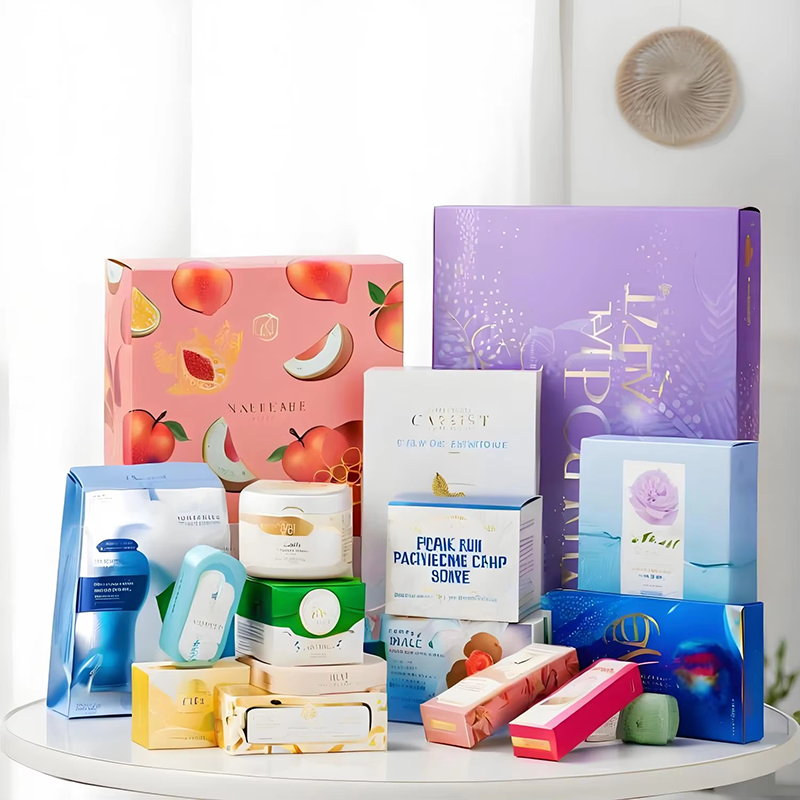
Picking packaging isn’t just a box-shopping errand — it’s one of the few physical touchpoints a customer has with your brand. It protects the product, sets expectations before the box is even opened, and often decides whether someone remembers you or forgets you the moment the item is unwrapped.
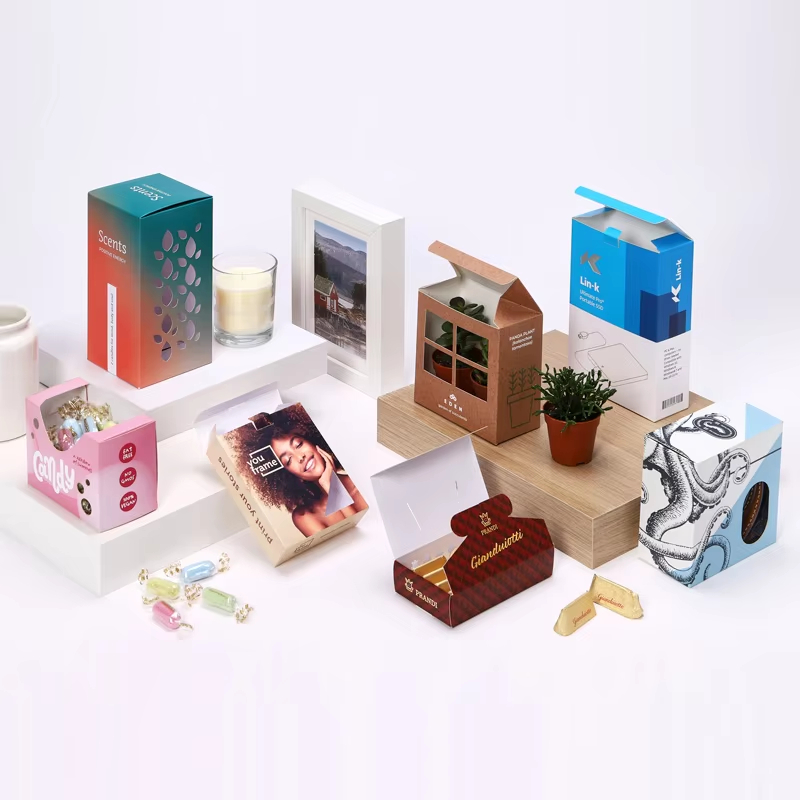
Customers in the US, UK, Canada, Australia, and across Europe have gotten pickier. They notice when a box shows up dented. They notice when it feels cheap. And a growing number of them care whether the box is recyclable at all. Whatever you sell — skincare, candles, snacks, apparel, electronics — packaging has quietly become part of the product itself.
What Are Custom Packaging Boxes?
Custom packaging is built around your product rather than the other way around. Instead of squeezing a bottle of serum into a generic stock carton, you get a box sized, shaped, and printed specifically for that bottle — and for your brand.
If your buyer is asking for FSC-certified board, read our EUDR-ready buyer’s guide to custom packaging boxes — it separates what the regulation actually requires from what a certificate can and cannot promise.
You’ll see custom boxes everywhere: ecommerce shipments, subscription boxes, retail shelves, food packaging, cosmetics, candles, electronics, apparel, gift sets, luxury goods.
Stock Boxes vs. Custom Boxes
Stock boxes are fine when you just need to get something from A to B cheaply. They come in a handful of fixed sizes and rarely fit a product exactly, which usually means extra void fill, wasted space, and a delivery that looks like every other delivery.
A custom box is built to your product’s dimensions and your brand’s colors and logo. It’s a small difference on paper, but it changes how the unboxing feels — and it can cut down on the packing materials you need per shipment.
For beauty and cosmetics SKUs, our custom cosmetic boxes buyer’s guide breaks down real MOQ floors, per-unit cost at 250-5,000 units and the QC checks that stop a bad run before it ships.
What You Can Actually Customize
- Size and shape
- Brand colors and printed artwork
- Logo placement
- Product information printed directly on the box
- Window cut-outs
- Inserts and dividers
- Matte or gloss lamination
- Foil stamping
- Embossing or debossing
- Recyclable or kraft materials
https://www.gv-printing.com/portfolio_category/custom-packaging-box
Why Custom Packaging Boxes Matter for Your Brand
For a lot of ecommerce brands, the box is the first physical thing a customer touches — before the product itself. In retail, it might be the reason someone picks your item off the shelf instead of the one next to it.
It Builds Recognition
A logo that shows up consistently, in the same colors, on every order, sticks in people’s heads faster than most brands expect. It’s also a cheap way for a small or new brand to look more established than it actually is.
It Shapes the Unboxing Moment
Unboxing videos didn’t stay a niche internet thing — they became part of how people shop, especially for beauty products, candles, food gifts, and subscription boxes. A box that feels considered makes the product inside feel more valuable before it’s even out of the wrapping.
It Keeps Products in One Piece
None of the branding matters if the product arrives cracked. The right board thickness, structure, and inserts are what actually prevent damage in a warehouse or a delivery truck — and damage is what turns into returns, refunds, and one-star reviews.
How to Choose Custom Packaging Boxes for Small Business
Small businesses are usually working with tighter margins, so the decision comes down to balancing cost against how professional the box needs to look.
Measure First, Design Second
Get exact measurements of your product — length, width, height, weight — before you even start looking at box styles. Leave room for inserts or padding if the product needs it. Get the size wrong and you’re either paying for wasted shipping volume or watching your product rattle around inside a box that’s too big.
Watch the Minimum Order Quantity
Before committing to a supplier, check their minimum order quantity, sample cost, and turnaround time. Digitally printed boxes or simple kraft designs tend to work better for small production runs than offset printing, which really only pays off at higher volumes.
Design for Where You’re Headed, Not Just Where You Are
If you’re planning to add more SKUs down the line, it’s worth choosing a box style that can flex across a few product sizes with minor tweaks, rather than redesigning packaging every time you launch something new.
Choose the Right Material for Your Custom Packaging Boxes
Material choice affects cost, durability, sustainability, and how the box actually performs once it leaves your hands.
Kraft Paper
Kraft has become almost shorthand for “natural” or “handmade” — soaps, candles, food items, and small gifts lean on it heavily because of the earthy, unbleached look.
Cardboard (Folding Cartons)
Lightweight and easy to print on, cardboard shows up constantly in cosmetics, skincare, supplements, and small electronics. It’s a practical default when you don’t need heavy-duty shipping protection.
Corrugated Board
The fluted layers inside corrugated board give it real cushioning, which is why it’s the go-to for anything shipped directly to a customer’s door — especially heavier or fragile items.
Rigid Boxes
Thicker, sturdier, and noticeably more expensive than folding cartons. Rigid boxes show up in jewelry, gift sets, premium cosmetics, and high-end candles because the extra weight in your hands genuinely changes how “premium” something feels.
Sustainable Materials
A recent global consumer survey by McKinsey found that environmental impact grew in importance as a purchase factor, rising to 33% in 2025 from 27% two years earlier — though it still trails behind quality, price, and convenience for most shoppers (McKinsey — Sustainability in packaging 2025: Inside the minds of global consumers). Recycled paperboard, kraft paper, recyclable corrugated board, and molded pulp inserts are the usual routes brands take to address that without redesigning everything from scratch.
Compare Custom Packaging Boxes Wholesale Options
Once order volume is steady, buying in bulk starts to make financial sense.
Signs You’re Ready to Go Wholesale
If your product line, sizing, and branding have settled down and you’re seeing repeat demand, wholesale packaging usually pays for itself. It’s a common move for ecommerce brands, retail lines, subscription services, and seasonal campaigns.
Why Bulk Orders Cost Less Per Unit
Setup, printing plates, and material costs get spread across a much larger run, which is why the per-box price drops. The catch: if your design changes or a product gets discontinued, you’re stuck with boxes you can’t use.
What to Vet Before Signing With a Supplier
- Minimum order quantity
- Sample availability
- Material options
- Print quality
- Lead time
- Shipping cost
- Certifications
- How responsive they are when something goes wrong
https://www.gv-printing.com/portfolio_category/custom-packaging-box
Add Logo and Printing to Strengthen Brand Identity
Where to Put Your Logo
Top lid, front panel, side panel, or inside the lid — each placement does something different. Outside placement is what drives recognition for ecommerce orders. An inside-lid logo, on the other hand, creates that small delayed reveal that works well for gifting or luxury packaging.
Printing Methods, in Plain Terms
- Digital printing — flexible, good for smaller runs
- Offset printing — higher quality, but only economical at volume
- Flexographic printing — the standard for corrugated boxes
- UV printing — sharper color, more durable finish
Beyond the logo, this is also where product details, QR codes, ingredients, certifications, and promo messages usually live.
Finishing Touches
Matte reads as modern and understated. Gloss reads brighter and more polished. Foil stamping, embossing, and debossing add a tactile element that’s hard to fake with print alone — which is exactly why premium brands lean on them.
Choose Custom Packaging Boxes Based on Your Industry
A food box, a cosmetics box, and a candle box are solving different problems, even if they look similar from the outside.
Food Brands
Bakery items, snacks, chocolates, meal kits, and takeaway food all have their own packaging headaches — grease resistance, freshness, portioning, and labeling rules that vary by region. In the US, the FDA’s Food Labeling Guide lays out what has to appear on the package itself, so it’s worth checking before finalizing artwork.
Beauty and Cosmetics Brands
Bottles, tubes, jars, and palettes are all fragile in different ways, and beauty customers notice packaging quality more than most. The box needs to protect the product without looking like an afterthought on a retail shelf.
Candle Brands
Candles crack, scratch, and shift in transit more easily than people expect. Rigid materials, snug inserts, or corrugated structures with internal supports are standard here — and because candles are often bought as gifts, presentation carries extra weight.
Use Corrugated Shipping Boxes for Ecommerce Delivery
A gorgeous box that collapses in transit isn’t actually doing its job.
Why Corrugated Wins for Shipping
Corrugated board is built to survive sorting machines, stacking, and rough handling — which is most of what happens to a box between your warehouse and someone’s front door.
Matching Box Strength to the Product
Heavier items, longer shipping distances, and fragile contents all call for thicker board, reinforced corners, or internal supports. If damage complaints keep coming in, the fix is usually one of three things: the box is too weak, the fit is wrong, or there’s not enough cushioning inside.
Inserts and Cushioning
Cardboard, molded pulp, and foam all do this job, but molded pulp and paper-based inserts have become the preferred option for brands trying to cut plastic out of their packaging.
When to Choose Luxury Custom Packaging Boxes
Not every product needs it, but for the right category it can justify a higher price tag on its own.
Categories Where It Pays Off
Jewelry, perfume, watches, premium cosmetics, high-end candles, and limited editions are where luxury packaging earns its cost back through perceived value.
Materials and Details Worth Considering
Rigid board, magnetic closures, textured paper, foil stamping, spot UV, embossing, and ribbon pulls all show up in premium packaging — but piling on every feature at once usually backfires. Pick the two or three that actually match your brand.
Common Mistakes to Avoid When Ordering Custom Packaging Boxes
Getting the Size Wrong
Too big, and you’re paying for shipping air and extra filler. Too small, and the product either gets damaged or looks squeezed in. Always test the final box with the actual product and inserts before ordering in bulk.
Skipping Shipping Tests
A box that looks great on a desk can still fail in a delivery truck. If your products travel to customers, test the packaging under real shipping conditions before committing to a large order.
Piling On Too Much Design
Extra colors, finishes, and printed messages don’t automatically make packaging look better — often the opposite. The strongest packaging tends to be the most restrained.
Skipping Samples
Never place a bulk order without a sample in hand first. It’s the only way to actually check size, material thickness, print quality, and how the whole thing feels before you’re committed to thousands of units.
Final Checklist Before Ordering Custom Packaging Boxes
Product: dimensions, weight, fragility, shipping method, inserts needed
Material and print: material choice, printing method, finish, colors, logo placement, sustainability requirements
Supplier: minimum order quantity, sample approval, production timeline, shipping cost, payment terms, reorder process
FAQ About Custom Packaging Boxes
What exactly counts as “custom” packaging? Anything built around your product’s size, your brand’s look, and your material or printing preferences, rather than pulled off a shelf in a fixed size.
Is this realistic for a small business, or only bigger brands? It’s realistic for small businesses too — digital printing and kraft materials in particular make it possible to order smaller runs without the cost per box getting out of hand.
When does it make sense to switch to wholesale ordering? Once your design and product line have stabilized and you’re placing repeat orders, wholesale usually brings the per-unit cost down meaningfully.
Can I put my logo on these boxes? Yes — it’s one of the most common reasons brands move away from stock packaging in the first place.
What are the go-to materials for eco-friendly packaging? Kraft paper, recycled cardboard, recyclable corrugated board, molded pulp inserts, soy-based inks, and biodegradable coatings are the usual choices.
Conclusion
Good packaging protects the product, looks like it belongs to your brand, fits your budget, and doesn’t fall apart on delivery. Get the material, structure, and printing right, and it stops being just a box — it becomes part of why customers trust you and come back.
Buyer Questions When Selecting Custom Packaging Boxes
Prioritize fit, protection, shelf impact, recyclability and total landed cost. A slightly higher unit price can be cheaper when it reduces damage and void fill.
What information should be included in the quote?
Provide finished size, material, quantity, artwork status, application surface, destination and required delivery date. For security products, also specify the verification method and whether serialized data is needed.
How are MOQ, price and lead time determined?
Quantity, print process, tooling, finishes, testing and freight all affect the total. Approving artwork and material early is the fastest way to protect the requested ship date.
Can you supply samples and help with compliance?
Request a physical pre-production sample on the intended substrate. Confirm applicable food-contact, recycling, barcode or market requirements for the US and EU before mass production.