
Send Your Inquiry Today
The Ultimate Guide to Paper Bag Printing: Trends, Techniques, and Custom Solutions for 2026
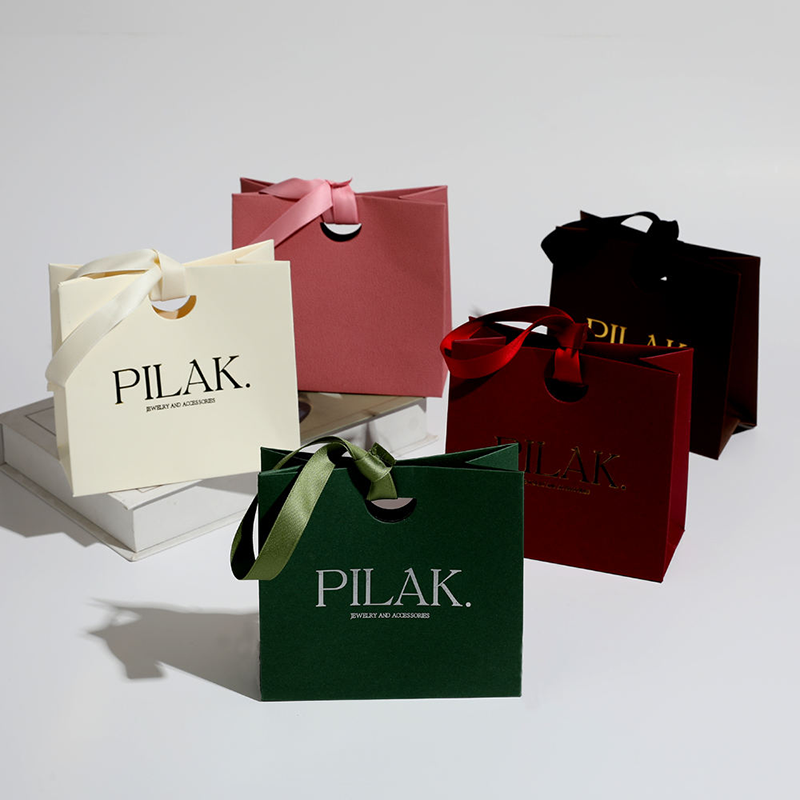
A paper bag is a simple object with a lot of engineering inside: paper weight, handle construction, bottom style, and print method each change what the bag can carry, what it costs, and how it prints. This guide covers the whole specification sheet — from GSM to print economics — so you can order bags that carry your product, your brand, and their share of the recycling bin responsibly.
Bag Anatomy: Four Decisions
Paper. Brown kraft is the economical, rustic default; white kraft prints brighter colors; coated art paper carries full-color photographic designs. Weight (GSM). Match GSM to load: 120–150 GSM for light retail (apparel, pharmacy), 150–210 GSM for boxed goods and bottles, 210–250 GSM for luxury boutique bags. Handle. Twisted paper rope is the standard economical choice; flat tape is cleaner-looking at similar cost; ribbon and cotton rope signal luxury; die-cut handles save cost but reduce carrying strength and require reinforcing. Bottom and gusset. A square (SOS) bottom lets the bag stand; gusset width determines how wide the contents can be.
| Bag use | Paper | GSM | Typical handle |
|---|---|---|---|
| Boutique fashion / luxury | Coated art or textured uncoated | 210–250 | Ribbon / cotton rope |
| Retail boxed goods | White kraft | 150–210 | Flat tape / twisted |
| Food takeaway | Brown kraft, food-safe ink | 120–170 | Die-cut or flat tape |
| Wine (single/double bottle) | Kraft with insert divider | 170–230 | Twisted / flat |
Printing on Bags: The Economics
Bag printing has two economical lanes. Flexo, 1–3 colors on kraft: the workhorse for retail and food bags — bold logos, low per-unit cost, fast production. Full-color on art paper: photographic designs require coated stock and typically offset printing, then lamination, which raises cost but delivers photographic brand impact. Between them sits a large middle ground (foil-stamped logo on uncoated kraft, one spot color plus black) that often looks more premium than full-color flood print — restraint photographs well. For premium finishes on sustainable stocks, see our eco-luxury paper bag guide.
Recyclability and the PPWR Lens
Paper bags are among the best-performing formats under the EU’s new recyclability grading — provided the specification avoids the classic downgrades: plastic film lamination (switch to water-based varnish), non-paper ribbon handles attached with plastic eyelets, and full metallic foil coverage. A kraft bag with paper twisted handles and water-based ink is effectively a mono-material product: kerbside recyclable, strong under EPR eco-modulation in the US states that charge by material, and straightforward to document. The full compliance picture for all packaging formats is in the 2026–2027 regulation timeline.
Ordering: MOQ, Price Breaks, Lead Time
Bag-making lines are long-run machines: typical factory MOQ sits at 1,000–3,000 bags per design, with meaningful price breaks at 5,000 and 10,000. Lead time runs 10–15 working days after sample approval, plus shipping. Two practices keep reorders painless: keep your die and print plates on file with the factory (standard practice), and approve a golden sample so the re-run matches the first. If your bag program pairs with boxes and labels, consolidating with one custom paper bag manufacturer also keeps color consistent across every brand touchpoint.
Frequently Asked Questions
Are paper bags recyclable?
Yes — paper bags with paper handles are widely accepted in kerbside paper streams. Bags with ribbon handles, plastic eyelets, or heavy lamination should have those elements removed first; many brands now print a small “remove handle before recycling” note, which regulators and consumers both appreciate. For a deeper materials discussion, see what boutique kraft bags are and when to use them.
What GSM should I choose for my paper bags?
Start from the heaviest item the bag will carry, not from aesthetics. As rules of thumb: under 500g, 120–150 GSM is fine; up to 2kg with boxed product, 150–210 GSM; luxury bags carrying rigid boxes or bottles, 210–250 GSM with reinforced handle attachment. Under-specifying GSM is the most common cause of handle-tear complaints.
How much do custom paper bags cost?
A 1–2 color flexo kraft bag at 3,000–5,000 units typically lands in the $0.15–$0.45 per bag range; full-color art-paper boutique bags run higher, commonly $0.50–$1.20 depending on size, GSM, lamination, and handle. Quoting at 3,000 / 5,000 / 10,000 units will show you where your design’s price curve breaks.
Paper Bag Styles: Matching Shape to Job
Most buyers meet four bag shapes, and the shape decides every downstream choice. The SOS (self-opening square) bottom bag is the retail workhorse: a squared base lets it stand on a shelf and open with one motion, ideal for apparel, cosmetics, and boxed goods. Pinch-bottom (satchel) bags are machine-filled and glued at the base, common for food and bakery runs where fill speed matters more than a handle. The flat-handle shopper is the classic boutique carry, with handles glued inside the side seams for a clean exterior. Loop-handle bags use a reinforced turn-through rope that survives heavier loads and repeated use — the right call for premium gift and wine programs. Pick the shape first: a bag that must stand needs an SOS bottom; a bag filled at speed needs a pinch bottom; a bag that must read as luxe needs a loop handle and coated stock.
Handle Engineering & Load Testing
Handle failure — not print — is the top cause of returns, and three variables decide it: attachment method, reinforcement, and rope basis weight. Twisted and flat paper rope are glued into the side seam; die-cut handles are cut from the bag body and need a reinforced patch or they tear at the notch under load. Load testing is cheap and worth doing: fill the bag to 1.5× its rated weight, hang it by both handles for 30 minutes, and inspect the seam and the eyelet. If either gives, raise GSM or add a patch before approving production. For luxury handles (ribbon, cotton), the knot and the rivet plate matter more than the rope — specify a metal or reinforced-paper eyelet rather than a plastic one so the finished bag stays mono-material and recyclable.
Pre-Press: Artwork, Color, and Sampling
Artwork that prints cleanly follows three rules. Supply vector logos (AI/PDF) at 1:1 with 3–5 mm bleed, and any raster image at 300 dpi minimum. Call out color in Pantone, not RGB screenshots, so the factory matches across both kraft and art paper — kraft’s warm tone shifts a cool Pantone several points, so always approve a pressed proof on the actual stock, not a screen. For multi-language or regulatory print (ingredients, recycling marks), keep one master PDF and let the factory flow the text. The approved golden sample becomes the reference for every reorder, so spend the time on it: a stored die and print plate means reruns match the first run within tolerance, which is what keeps a bag program consistent across seasons.
More Paper Bag Questions
Can paper bags be printed on both sides?
Yes. Two-sided print is standard on coated art-paper bags (offset handles the back panel cleanly) and available on kraft via flexo or a second pass — useful for a large front logo plus a back-panel care, compliance, or story block. The trade-off is a small per-unit cost increase and a longer setup; for most retail bags the front logo plus a one-color back panel is the cost-efficient sweet spot.
What is the lowest MOQ I can request?
Factory lines are long-run, so the practical floor is usually 1,000 bags per design, with 3,000–5,000 the zone where unit price drops meaningfully. If you need a sub-1,000 pilot, ask about stock-size blanks with a custom print run, or a shared plate program — both exist but cost more per unit. For a first order, 3,000 at a single size and color is the lowest-risk way to validate the bag before committing to a 10,000-unit price break.
Paper Bag Material & Finish Quick Reference
| Finish | Best for | Trade-off |
|---|---|---|
| Flexo 1–3 color (kraft) | Retail & food bags, bold logos | Limited color count |
| Offset + lamination (art paper) | Photographic luxury designs | Higher cost; lamination hurts recyclability |
| Foil stamp (uncoated kraft) | Premium, restrained branding | One spot color, slower |
| Water-based varnish | Recyclable mono-material bags | Less gloss than film lamination |