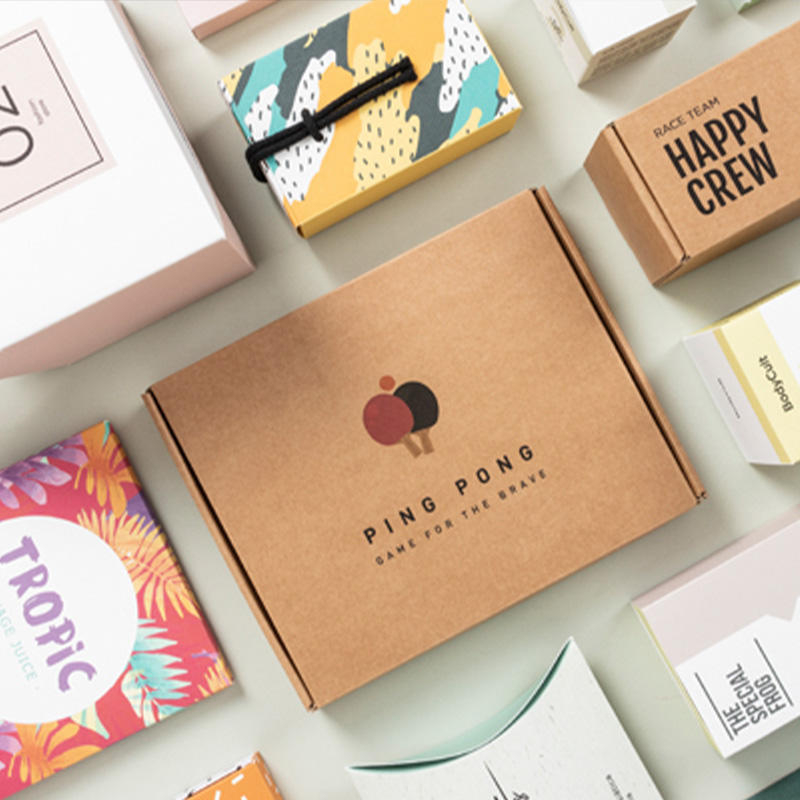
Custom Packaging Box Manufacturer for Cosmetic, Food, Jewelry & Retail Brands

Most brands don’t think about packaging until it becomes a problem — a bottle arrives cracked, a candle box gets crushed in transit, or a retailer sends back a batch because the labeling isn’t compliant. By then, the cost of fixing it is already higher than the cost of getting it right the first time.

That’s usually when a brand starts looking for a packaging partner instead of a packaging supplier. The difference matters. A supplier fills an order. A partner understands why a perfume box needs a different internal structure than a candle box, or why a supplement brand in California has different labeling requirements than one shipping into the EU.

This page walks through how we approach custom packaging for the industries we work with most — the materials, the production choices, and the market pressures shaping each one. If you already know which category you need, jump to the relevant section below. If you’re comparing manufacturers, the FAQ section near the end covers the questions that come up in almost every first conversation. https://www.gv-printing.com


Custom Cosmetic Boxes for Beauty Brands

Production — Materials & Finishing Options

Cosmetic packaging lives or dies on shelf appeal, so the finishing work tends to matter as much as the box structure itself. Foil stamping and embossing are still the most requested upgrades for brands trying to signal a premium price point without redesigning the whole box. Soft-touch lamination has also become a default request rather than an upgrade — it changes how a box feels in hand, which matters more than people expect when a customer is deciding whether a $40 serum feels worth the price.

Rigid boxes are common for gift sets and limited editions, while folding cartons remain the practical choice for everyday SKUs where cost per unit matters more than tactile finish.

Market Trend — Minimalist vs. Luxury Packaging in the US/EU Beauty Market

There’s a visible split in the beauty market right now. Clean, minimal packaging — often kraft-based, with a single accent color — has become shorthand for “clean beauty” positioning in the US market. At the same time, the prestige and niche fragrance-adjacent skincare segment is leaning harder into rigid boxes, magnetic closures, and heavier stock weights. Neither direction is universally “correct” — it depends on where the brand sits in its category and who it’s trying to look like on a shelf next to.https://www.gv-printing.com/portfolio_category/custom-packaging-box


Custom Skincare Boxes with Sustainable Materials

Production — Moisture-Resistant Coatings & Recyclable Substrates

Skincare boxes have a practical job that cosmetics boxes sometimes don’t: protecting formulas from humidity during shipping and storage. Water-based coatings and moisture-resistant liners handle this without relying on plastic laminates, which matters increasingly for brands that want to claim recyclability on pack.

We typically recommend FSC-certified board for skincare lines — not just for the sustainability claim, but because FSC certification is one of the few packaging credentials European retailers actually verify before listing a product.

Market Trend — Clean Beauty & “Green Packaging” Demand

Skincare buyers, especially in the US and UK, have gotten more literate about greenwashing. A “recyclable” claim on a box that’s laminated in plastic gets called out fast, often in product reviews. That’s pushed more brands toward mono-material boxes and soy-based inks, even when it adds a small cost per unit — the reputational risk of getting caught on a false claim outweighs the savings.


Custom Perfume Boxes: Structural Design for Fragile Products

Production — Rigid Box Construction & Insert Engineering for Glass Bottles

Perfume packaging is really a structural engineering problem disguised as a design one. Glass bottles need a snug internal insert — usually a paperboard or pulp tray — that stops movement without adding so much bulk that the box looks oversized on shelf. Rigid box construction is standard here because folding cartons don’t hold their shape well enough to protect glass through international freight.

Market Trend — Gifting Season Demand & Unboxing Experience

Fragrance is one of the most gifted product categories in the US and UK, which means Q4 volume can be several times higher than the rest of the year. Brands that plan their box orders around this cycle — rather than treating packaging as a year-round flat order — tend to avoid the scramble that happens every November when lead times stretch out across the whole industry.


Custom Jewelry Boxes with Premium Unboxing Appeal

Production — Velvet Inserts, Magnetic Closures & Compartment Design

Jewelry boxes are judged almost entirely on the moment of opening. Magnetic closures have become close to a standard expectation rather than an upgrade, and velvet or flocked inserts are the most requested detail for anything positioned above entry-level price points. Compartment design gets more attention than people expect — a necklace box with a poorly placed slot will show wear marks on the velvet within weeks.

Market Trend — DTC Jewelry Brands & Gift Packaging Demand

Direct-to-consumer jewelry brands rely on packaging to do a job that a physical retail display used to do — signal value before the product is even out of the box. That’s part of why so many DTC jewelry brands invest disproportionately in packaging relative to their overall order size, compared to more established retail-first brands.


Custom Candle Boxes: Safety Meets Aesthetic Design

Production — Fire Safety Labeling & Window Cutout Techniques

Candle packaging carries a compliance requirement that a lot of new brands miss — fire safety and burn instructions aren’t optional extras, they’re expected on pack in most US states and EU countries. Window cutouts, usually with a clear PLA or acetate film, let the wax color show through without compromising the structural strength of the box, as long as the cutout is positioned away from the box’s load-bearing corners.

Market Trend — Seasonal & Limited-Edition Candle Packaging

Candles are one of the more seasonal categories we produce for. Fall and winter drive a large share of annual volume in the US market, and brands increasingly order short-run seasonal packaging rather than a single year-round design. That shift has pushed more candle brands toward lower minimum order quantities per design, even if it means running more separate print jobs.


Custom Chocolate Boxes for Confectionery Brands

Production — Food-Grade Materials & Compartment Tray Design

Chocolate packaging needs food-grade board and, in most cases, a compartment tray to stop pieces from shifting and marking each other during transit. Getting the tray depth right is a small but easy detail to get wrong — too shallow and the chocolates rattle, too deep and the box looks half-empty when opened.

Market Trend — Holiday Gifting & Artisan Chocolate Packaging

Artisan and small-batch chocolate brands have grown steadily in the US and UK, and packaging has become one of the main ways they compete against mass-market chocolate on shelf. Holiday-specific box runs — Valentine’s Day, Easter, year-end — now make up a meaningful share of orders for chocolatiers we work with, on top of their standard year-round packaging.


Custom Bakery Boxes with Functional and Visual Appeal

Production — Grease-Resistant Coatings & Window Patching

Bakery boxes need a grease-resistant coating on the inner surface, otherwise oil stains bleed through within hours and the box looks unappetizing before it even reaches the customer. Window patching — a clear film window bonded into a die-cut opening — lets the product sell itself without the box needing much printed design at all.

Market Trend — Local Bakeries & Shareable Packaging

Independent bakeries have leaned into packaging as a marketing tool, largely because a well-designed box gets photographed and shared before it gets opened. That’s shifted some demand away from plain kraft boxes toward printed designs with the bakery’s branding front and center, even for smaller independent shops that wouldn’t have ordered custom print a few years ago.


Custom Food Packaging Boxes Meeting FDA Compliance

Production — Food-Safe Material Certifications & Barrier Coatings

Food packaging is one of the few categories where compliance isn’t optional or a marketing differentiator — it’s a legal requirement. Any board in direct contact with food needs to meet FDA food contact substance regulations in the US, and equivalent requirements apply for products sold into the EU. Barrier coatings that block moisture and grease need to be selected specifically for the product inside — a coating that works for dry snacks won’t hold up for anything with oil content.

Market Trend — Sustainable Food Packaging Regulations

Regulation is moving faster than most brands expect in this category, particularly around single-use plastic restrictions in EU member states. Brands that plan packaging changes only after a regulation takes effect tend to end up with rushed, more expensive redesigns. The ones we’ve seen manage this best are already testing paper-based alternatives to plastic windows and liners before it’s required of them.


Custom Coffee Packaging Boxes for Specialty Roasters

Production — Degassing Valves & Light-Blocking Material Selection

Coffee packaging has a shelf-life problem that other categories don’t — beans release CO2 for days after roasting, so bags and boxes need a one-way degassing valve or they’ll swell and eventually split. Light-blocking material, usually a matte finish with a foil or metalized inner layer, protects the oils in the beans from going rancid under retail lighting.

Market Trend — Specialty Coffee Growth & Subscription Boxes

Specialty and single-origin coffee has grown into a real category of its own in the US and UK, separate from mainstream commercial roasters. A lot of that growth has come through subscription models, which changes the packaging conversation — brands need a design that looks good arriving in the mail every month, not just sitting on a café counter.


Custom Wine Boxes with Shock-Absorbent Protection

Production — Corrugated Insert Engineering for Bottle Safety

Wine packaging is unforgiving — a single broken bottle in a shipment usually means the whole order gets flagged by the carrier or refused by the retailer. Corrugated inserts with dividers, sized precisely to the bottle’s shoulder and base, are what actually prevent breakage; the outer box design matters far less than most first-time wine brands assume.

Market Trend — E-commerce Wine Shipping & Gift Box Demand

Direct-to-consumer wine shipping has grown steadily, and it’s pushed packaging requirements that didn’t exist when most wine sold through retail shelves and restaurants. Boxes now need to survive a parcel network built for boxes and envelopes, not pallets of fragile glass — which is a very different design brief than a retail display box.


Custom Electronics Packaging Boxes for Product Protection

Production — Anti-Static Materials & Foam/Pulp Tray Design

Electronics packaging has two jobs that don’t always align — protecting sensitive components from static discharge and creating the kind of unboxing moment consumers now expect from tech products. Anti-static bags or coatings handle the first job. Molded pulp or foam trays, shaped to the exact product outline, handle the second by presenting the device the same way every time it’s opened.

Market Trend — Unboxing Culture & Retail Packaging Standards

Consumer electronics unboxing videos have quietly raised the bar for packaging across the whole category, even for smaller accessory brands that aren’t competing with major tech companies. A generic brown box for a $60 accessory now reads as a red flag to buyers who are used to seeing tiered lids and printed inserts from bigger brands.


Custom Pharmaceutical Boxes Meeting Regulatory Standards

Production — cGMP Compliance & Tamper-Evident Sealing Technology

Pharmaceutical packaging is produced under stricter documentation and traceability requirements than almost any other category we handle. Facilities need to operate under current Good Manufacturing Practice standards, and tamper-evident seals — usually a perforated tear strip or security label — are required on most over-the-counter and prescription packaging sold in the US.

Market Trend — Pharma Packaging Regulations in the US and EU

Regulatory requirements differ meaningfully between the FDA in the US and the European Medicines Agency for products sold into the EU, particularly around labeling language requirements and child-resistant packaging thresholds. Brands selling across both markets usually need two separate packaging specifications rather than one design adapted with a sticker.


Custom Supplement Boxes for Wellness Brands

Production — Child-Resistant Features & Label Compliance

Supplement boxes sit in a regulatory gray zone in some markets — not classified as pharmaceuticals, but still subject to labeling rules around dosage claims and ingredient disclosure. Child-resistant closures are increasingly requested even where not strictly mandated, largely because retailers like large US pharmacy chains have started requiring them as a condition of shelf placement.

Market Trend — Supplement Industry Growth & Shelf-Ready Packaging

The wellness and supplement category has grown fast enough that shelf space has become genuinely competitive in a way it wasn’t a decade ago. That’s driven demand for shelf-ready packaging — boxes designed to double as retail display units — so a shipment can go straight from delivery truck to shelf without a retailer having to unpack and merchandise it separately.


Frequently Asked Questions

What is the minimum order quantity (MOQ) for custom packaging boxes?

MOQs vary by box type and printing method, but most of our standard runs start between 100 and 500 units, which works for early-stage brands testing a new SKU. Larger brands ordering in the tens of thousands typically get better per-unit pricing, but we don’t require volume commitments upfront — you can start small and scale the order as the product proves out.

How long does it take to produce and ship custom boxes to the US or Europe?

Design and sample approval usually takes 3–7 days depending on how many revision rounds are needed. Bulk production runs 15–25 days after the sample is approved, and international shipping adds another 20–35 days by sea or 5–10 days by air, depending on destination. Brands ordering for a specific launch date should build in buffer time — customs clearance is the step most likely to add unplanned delay.

Can I get a free sample before placing a bulk order?

We provide samples for a nominal fee that covers material and shipping cost, and that fee is credited back against your first bulk order. This keeps the sample process serious on both sides without putting the full cost burden on a brand that’s still evaluating options.

What materials do you use for eco-friendly or sustainable packaging?

Options include FSC-certified kraft and recycled board, soy-based inks, and water-based coatings that avoid the plastic laminates common in older packaging. We can also advise on which sustainability claims actually hold up under EU and US labeling scrutiny, since not every “eco” material qualifies for every claim you might want to print on the box.

Do you provide design support if I don’t have artwork ready?

Yes. We have in-house structural and graphic designers who can build a die-line and layout from scratch, or work from a rough concept or reference image you provide. This is included for bulk orders and available at a flat rate for smaller sample-stage projects.

What printing and finishing techniques are available?

We offer offset and digital printing, foil stamping, embossing and debossing, spot UV coating, soft-touch lamination, and window patching. Which combination makes sense depends on your order volume and price point — some finishes, like foil stamping, only make economic sense above a certain order size.

How do you ensure packaging compliance for food, pharmaceutical, or supplement products?

We work from your product’s target market to confirm material and labeling requirements before production starts, rather than after. For food and pharmaceutical clients, this includes verifying food-contact material certifications and, where applicable, cGMP-aligned production documentation you can pass along to your own regulatory team.

What are your payment terms and shipping options for international clients?

Standard terms are 30% deposit to begin production and 70% before shipment, paid by T/T or PayPal. We ship FOB or EXW from our facility, and can coordinate with your freight forwarder or arrange shipping directly for clients who don’t have one yet.


Getting Started

Every category above has its own production quirks, but the process for working with us looks the same regardless of what you’re packaging: we start with your product specs and target market, build a structural design and sample, and only move to bulk production once you’ve approved what you’re holding in your hands.

If you already know what you need, request a quote with your product dimensions and target quantity. If you’re still deciding between box types or materials, request a sample pack instead — it’s usually the fastest way to settle the question.

Name
Previous Post
How to Choose the Right Custom Packaging Manufacturer for Your Brand
Next Post
Packaging Box Supplier: How to Choose the Right OEM Partner for Custom Printed Packaging in 2026